
Changes in Autism Symptoms Across Childhood
Dr. Waizbard-Bartov discusses changes in autism symptoms across childhood. She outlines the Autism Phenome Project and study methods for her recent work. The speaker presents findings on

Webinars provided in partnership with:

ARI’s free autism research and treatment webinars for people with autism, parents, physicians, and other professionals are made possible by generous donor support.

Dr. Waizbard-Bartov discusses changes in autism symptoms across childhood. She outlines the Autism Phenome Project and study methods for her recent work. The speaker presents findings on
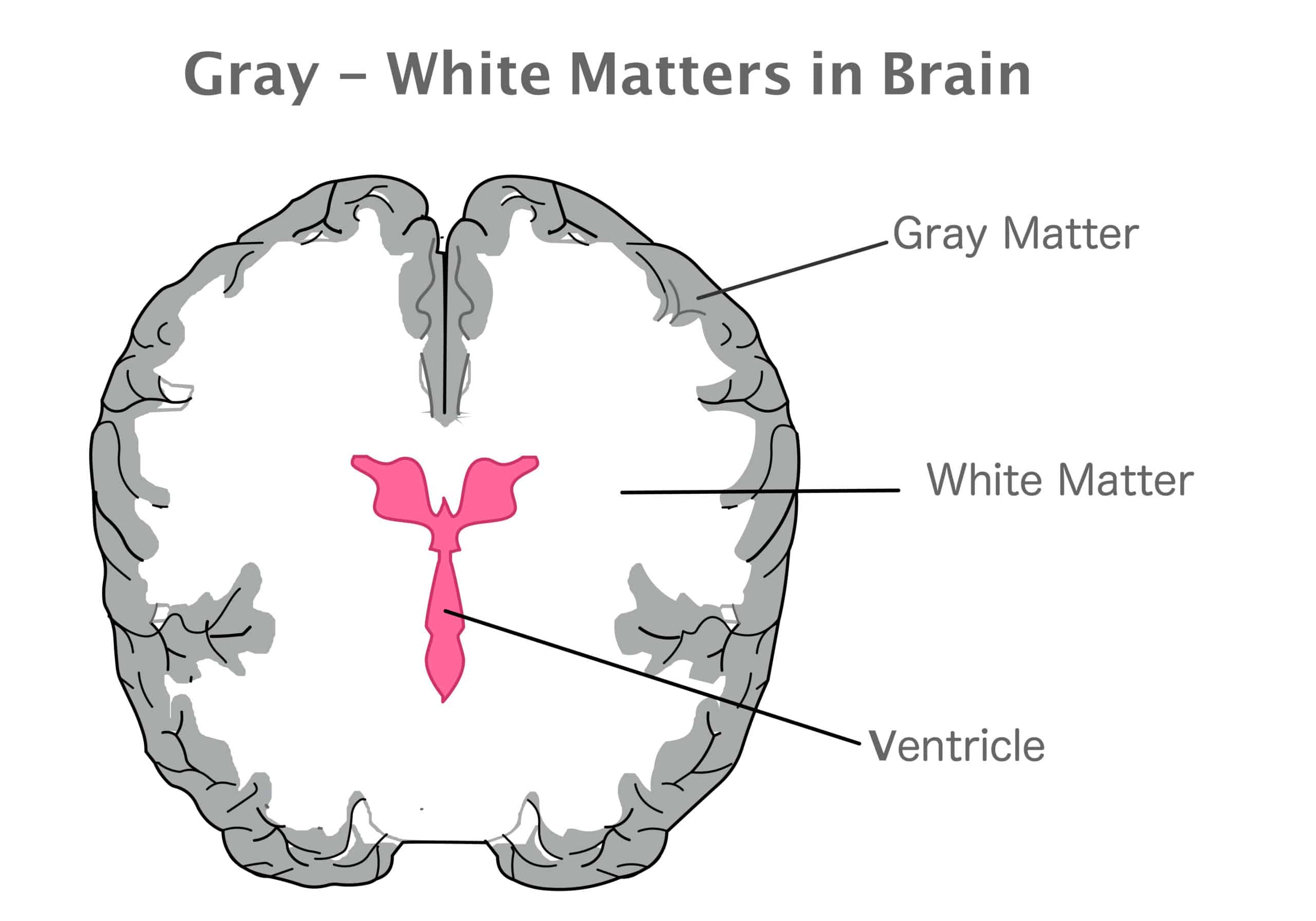
Tyler McFayden, Ph.D., considers the intersection of white matter development and language in autism. She discusses language modality and considers how white matter may help predict

Hilde Geurts, Ph.D., discusses the impact of aging on health, quality of life, and cognition in autistic adults. She discusses aging in the general population and

This is a joint presentation with the World Autism Organisation. Antonio Persico, MD, a recent ARI Research Grant recipient, explores the role of biomarkers
Casanova dives into the ancient origins of autism susceptibility genes. She outlines periods of rapid gene evolution in early vertebrates and provides an introduction to basic genetics. The

The use of punishment to treat severe behavioral challenges in autistic children was first introduced nearly 60 years ago. Although most people in the autism

The increasing moves towards the pluralisation of autism -- ‘the autisms’ -- and the many routes to a diagnosis of autism. What studying dietary

Many teens and young adults who seek treatment for a substance use disorder (SUD) exhibit previously unidentified traits characteristic of autism spectrum disorder (ASD), according to a

Adolescents with autism spectrum disorders (ASD) may have difficulty understanding other people’s emotions because they do not use contextual clues, a new study suggests. The study, by

Mothers of children with autism spectrum disorders (ASD) may reduce their odds of having another child with ASD if they time a second pregnancy to occur 2.5