

New research indicates that in autism spectrum disorders (ASD), changes at the molecular level are present throughout the cerebral cortex rather than solely in cortical regions associated with language and social cognition.
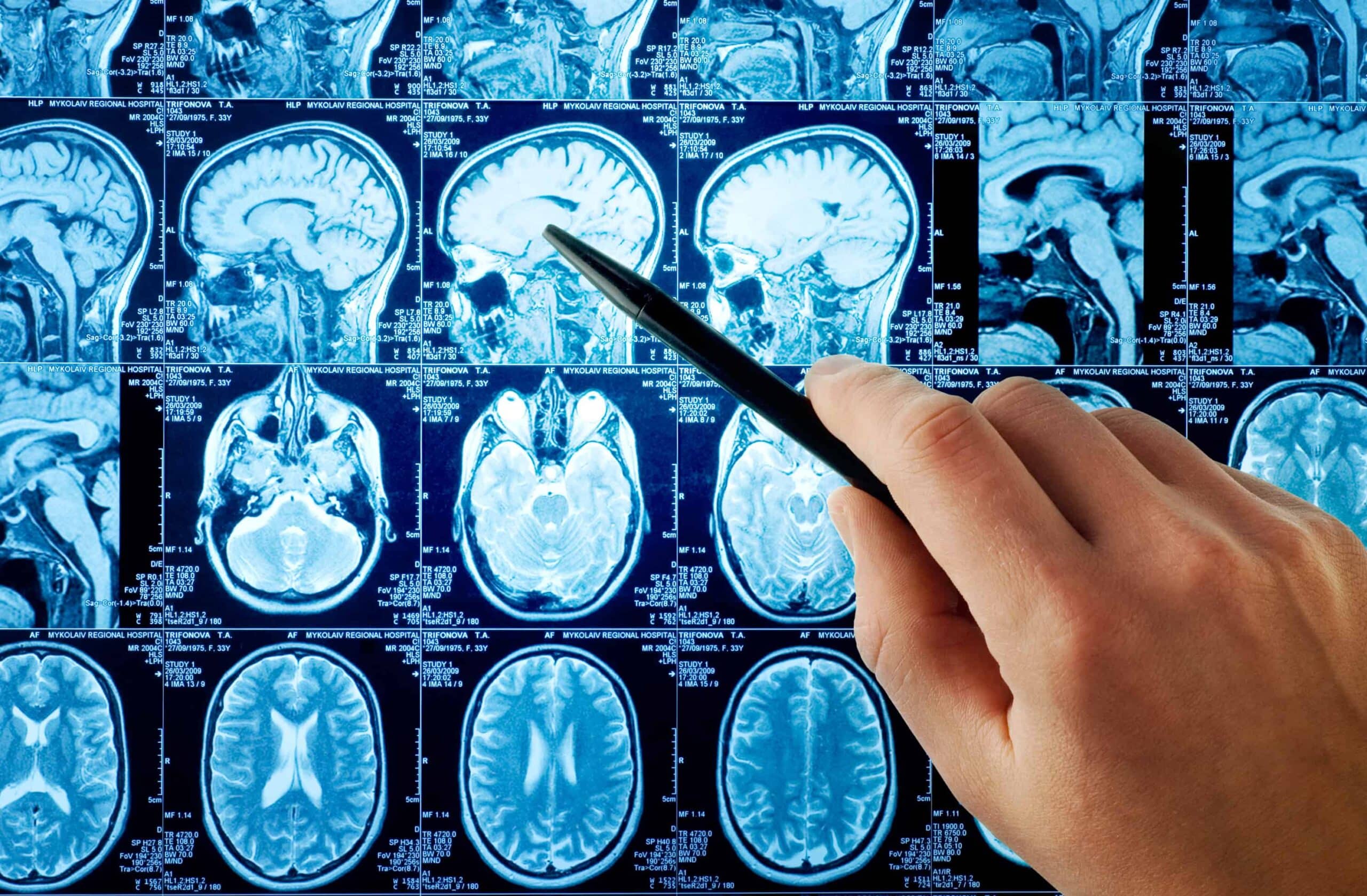
They report that in samples from individuals with ASD, they saw changes across the cerebral cortex, “affecting many neural cell types and specific biological processes.” They also found evidence that RNA changes in the brain are a cause of ASD, rather than a result of the disorder.
Previous research by the same team had focused on the temporal and frontal lobes, which are involved in language and social cognition. This time, however, they were surprised to find that “the most profound gene-expression changes in ASD were observed in the primary visual cortex.” They note, “It is interesting to speculate that the substantial changes observed in primary sensory regions may relate to the widespread sensory processing differences in ASD, which are so pervasive that they have been included in the DSM-5 diagnostic criteria.”
—
“Broad transcriptomic dysregulation occurs across the cerebral cortex in ASD,” Michael J. Gandal, Jillian R. Haney, Brie Wamsley, Chloe X. Yap, Sepideh Parhami, Prashant S. Emani, Nathan Chang, George T. Chen, Gil D. Hoftman, Diego de Alba, Gokul Ramaswami, Christopher L. Hartl, Arjun Bhattacharya, Chongyuan Luo, Ting Jin, Daifeng Wang, Riki Kawaguchi, Diana Quintero, Jing Ou, Ye Emily Wu, Neelroop N. Parikshak, Vivek Swarup, T. Grant Belgard, Mark Gerstein, Bogdan Pasaniuc, and Daniel H. Geschwind, Nature, November 2, 2022 (free online).Address: Michael Gandal, [email protected].
—and—
“Brain changes in autism are far more sweeping than previously known, study finds,” news release, University of California, Los Angeles, November 2, 2022
This article originally appeared in Autism Research Review International, Vol. 36, No. 4, 2022

Editorial: What we breathe matters – Rethinking air pollution and autism
For nearly sixty years, the Autism Research Institute (ARI) has tried to understand autism by looking beyond surface behaviors and asking deeper biological questions. From the beginning, Bernard Rimland challenged the dominant

Editorial: Invisible threats – the role of environmental toxins in autism
As our knowledge about autism continues to evolve, so does our understanding of its root causes. For many years, professionals blamed “refrigerator parents” and prescribed psychoanalytic therapy. Once the psychogenic theory was

ARI’s 2025 Impact
Advocating for Independent Research and Education For nearly six decades, ARI has funded groundbreaking research, expanded educational initiatives, and brought clinicians and scientists together worldwide. Yet researchers and clinicians continue to face unprecedented