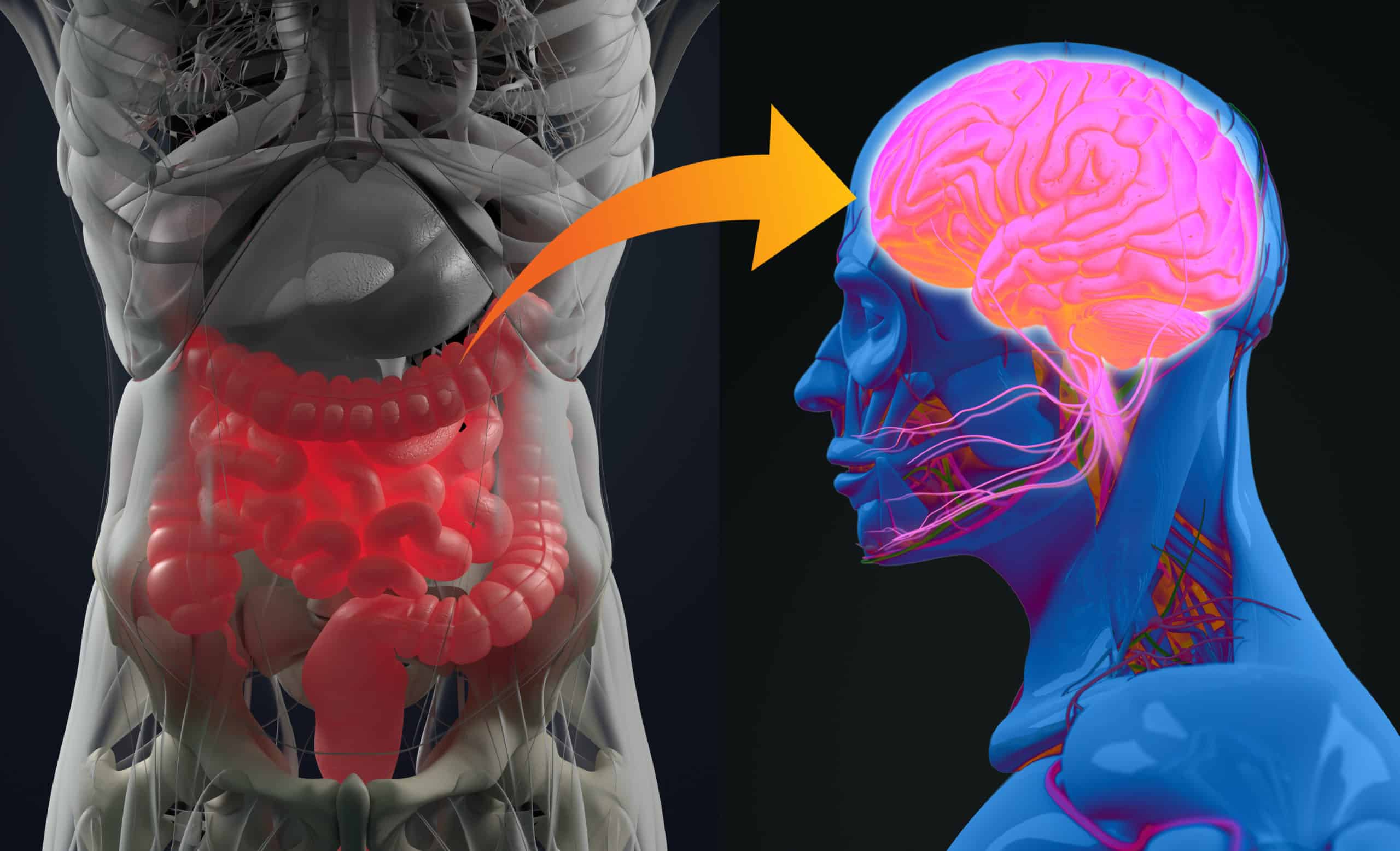
Gastrointestinal conditions like constipation, abdominal pain, and GERD often co-occur with autism and can significantly impact daily living and quality of life for autistic people. Contemporary research suggests the gut-brain communication pathway is integral in the development and presentation of autism and GI conditions. The following articles and webinars provide information on current research and theories explaining the interplay of GI conditions and autism and offer suggestions for supporting a healthy gut.
Gut-Brain Connection Articles
Nutrition and the Gut-Brain Connection
This article discusses the importance of nutrition and outlines research on the gut-brain connection in autism. It considers how imbalances in gut microbiota can affect brain function and behavior and how nutritional interventions can help address these disproportions. The article also highlights the importance of a balanced diet with essential nutrients such as vitamins, minerals, and amino acids. It emphasizes the need for individualized treatment plans that consider each person’s unique nutritional needs and challenges.
Gastrointestinal Problems Common in Autism Linked to Gene Mutation that Affects Behavior
This article outlines a study conducted by Dr. Kara Gross Margolis and colleagues that found a link between gastrointestinal problems in autism and a specific gene mutation that affects behavior. The study, conducted at Baylor College of Medicine, found that the RERE gene mutation is associated with an increased risk of gastrointestinal problems in individuals with autism. The article explains that the RERE gene plays a role in the development of the nervous system and can affect behavior, including social interaction and communication. The researchers suggest that the link between gene mutation and gastrointestinal problems may be due to disruptions in the communication between the gut and the brain. Overall, the study provides valuable insights into the complex relationship between genetics, behavior, and gastrointestinal problems in autism.
Continuing Medical Education
Gastrointestinal Issues in Autism Spectrum Disorders
This CME video was co-produced with the Cleveland Clinic.
- Recognize the varied manifestations and diagnostic evaluation of diverse gastrointestinal conditions commonly co-occur in autistic individuals.
- Identify barriers to the assessment and adequate clinical care of GI concerns for autistic people.
- Recognize critical gaps in our clinical understanding and practices pertaining to GI issues and autism.
Gut-Brain Webinars from ARI
Autism and Pica
Dean Alexander, Ph.D., discusses pica, the ingestion of non-food substances, which has received insufficient attention as a common, sometimes lethal, form of self-injurious behavior. Behavioral approaches to treatment, more often than not, fall short. Biological intervention, if supported, may hold out new promise.
This is a joint presentation by ARI and the World Autism Organisation.
Gastrointestinal Issues and Autism Spectrum Disorders: Serotonin as a Potential Brain-Gut Link
In this webinar, Dr. Kara Gross Margolis discusses research on the association between gastrointestinal problems and challenging behaviors in children with autism. Her basic and translational research focuses on the relationship between intestinal serotonin, gut dysfunction, and the potential role of serotonin as a gut-brain link in autism.
Cross Talk Between Gut & Brain in ASD: Do They Understand Each Other?
Dr. Fasano considers the interplay of environmental factors and the gut microbiome in autism presentation and pathogenesis. He explains intestinal permeability and highlights the role that environmental factors like gluten play in the leaky gut theory. The speaker considers the complexity of the microbiome genome compared to the human genome and describes contemporary theories explaining the co-occurrence of GI conditions in autism. Fasano underscores the need for personalized medical care and cross-discipline investigation before the Q&A.
The Role of Neurotransmitters in GI Disorders Related to Autism
Kara Gross Margolis, MD, explores recent studies surrounding the role of serotonin and the more extensive gut microbiome in gastrointestinal (GI) and inflammatory conditions related to autism. She presents case studies highlighting the different presentations of GI issues in individuals with autism and how those behaviors relate to the gut-brain links. Margolis outlines research on fecal transplant, multi-omics of brain-gut-microbiome disease, correlated bacterial communities, serotonin reuptake transporters (SERT), and new longitudinal pilot studies. She notes limitations and key findings for each study and discusses their impact on current and future research avenues. She concludes by recognizing ongoing serotonin drug development before the question and answer session.
Co-occurring Medical Conditions in Autism
In this brief overview, neurologist Margaret Bauman, MD, summarizes symptoms and signs of medical comorbidities that frequently occur but may go unrecognized in patients diagnosed with ASD, including seizures, sleep issues, hormonal issues, urinary problems, and gastrointestinal disorders. While the underlying cause of autism spectrum disorder (ASD) is generally unknown, scientists suspect that it is a multifactorial condition affecting multiple body systems.
Research finds GI issues coincide with challenging behaviors in ASD
Dr. Ferguson discusses current research indicating that GI issues coincide with behavior problems in autism. He explains how the autonomic nervous system drives stress response and details its relationship with GI functionality. The speaker describes five studies investigating different aspects of Gi issues, anxiety, stress, and problem behaviors in autism. Ferguson touches on pharmacological, vagal, and behavioral treatment strategies before the Q&A.
2026 Research Updates: GI Symptoms & Behavior
Free webinar at 1:00 p.m. Eastern time (US), December 2, 2026 Dr. Bradley Ferguson, PhD, a 2024 research grant recipient, will share emerging research on the interaction of GI symptoms and behavior in autism.
Research Updates: Gastrointestinal Issues and Autism
Free webinar at 1:00 p.m. Eastern time (US), July 29, 2026 Harland Winter, MD, will discuss his research on gastrointestinal conditions in individuals with autism. Dr. Winter is an active investigator and educator
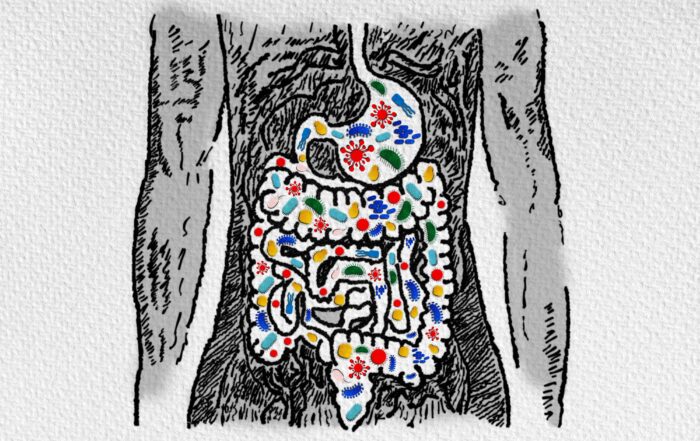
Research Updates: Microbiome Research and Autism
Free webinar at 1:00 p.m. Eastern time (US), May 20, 2026 Rosa Krajmalnik-Brown, Ph.D., will discuss her research on gut microbiota in individuals with autism who have gastrointestinal (GI) problems. She will share
Autism and Gastrointestinal Comorbidities – Research Updates
Mojdeh Mostafavi, MD, describes gastrointestinal conditions commonly seen in individuals with autism, including gastroesophageal reflux disease (GERD), inflammatory bowel disease (IBD), Eosinophilic GI disease (EGID), avoidant/restrictive food intake disorder (ARFID), disorders of
Food Adverse Reaction and Intestinal Microbiota
This is a joint presentation by ARI and the World Autism Organisation. Professor Carmelo Rizzo, MD, discusses adverse reactions to food and the critical role of intestinal microbiota in
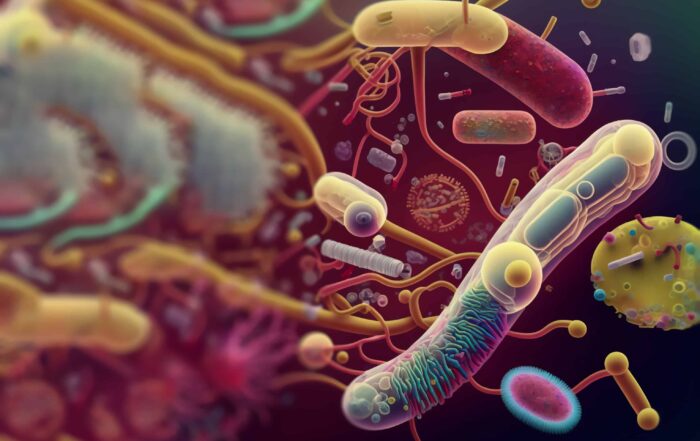
Microbiota therapy may lead to lasting beneficial changes in the gut health of children with autism
Microbiota transfer therapy (MTT) may lead to long-term improvements in the gut health of children with autism spectrum disorders (ASD), according to a recent study by Khemlal Nirmalkar and colleagues at Arizona