Free certificates of participation are available upon successful completion of a brief knowledge quiz at: https://www.classmarker.com/online-test/start/?quiz=7xy5a6811f30f141
Published: 01/24/2018
 The DeWitt Laboratory in the Department of Pharmacology and Toxicology at the Brody School of Medicine focuses on environmental contaminants and the role that they play in affecting health. Much of our focus is on how contaminants alter the developing immune system and how these changes to the immune system influence the developing brain.
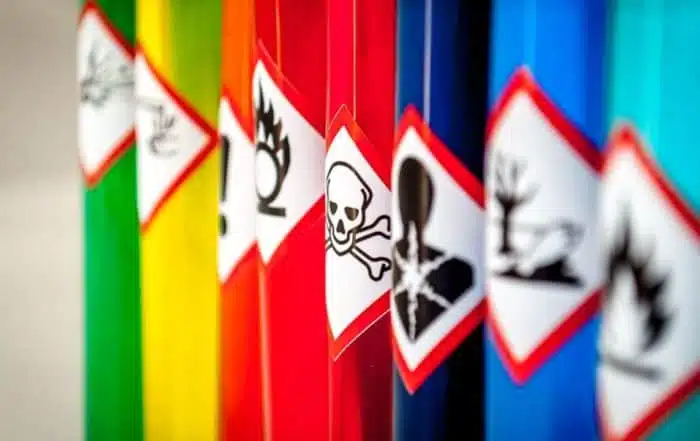
Editorial: Invisible threats – the role of environmental toxins in autism
As our knowledge about autism continues to evolve, so does our understanding of its root causes. For many years, professionals blamed “refrigerator parents” and prescribed psychoanalytic therapy. Once the psychogenic theory was

New research points to alterations in BPA excretion pathway in children with autism, ADHD
Children with autism spectrum disorders (ASD) may have a reduced ability to detoxify the chemical bisphenol A (BPA), according to new research. BPA is an industrial “plasticizer” used in plastic water
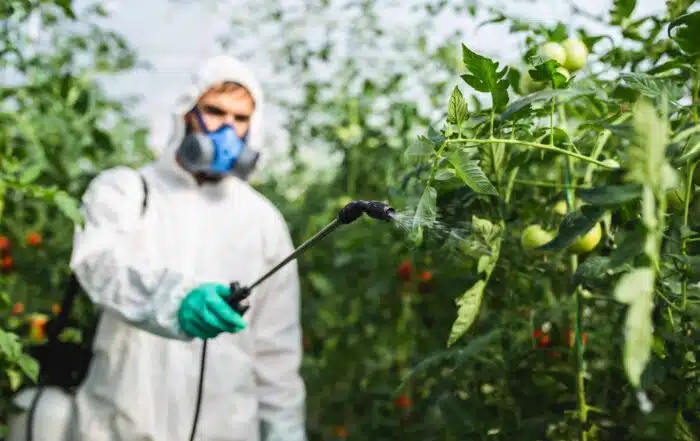
Animal study adds to evidence of link between pyrethroids and autism
A new animal study adds to evidence that prenatal exposure to common insecticides called pyrethroids may increase the likelihood of a child developing autism or another neurodevelopmental disorder. Melissa Curtis and colleagues,

Mothers’ exposure to airborne pollution may increase likelihood of autism
A new study from Sweden suggests that maternal exposure to airborne pollution during pregnancy may increase the likelihood of a child being diagnosed with classical autism or an autism spectrum disorder (ASD).
Gene-Environment Interactions in Autism: Research Updates
Valerie W. Hu, Ph.D., discusses gene-environmental interactions pertaining to autism. She describes how integrative genomics studies on autism led to investigating endocrine disrupting compounds (EDCs) as environmental risk factors for autism and presents
Editorial – Genetics, the Environment & Autism
The word “genetics” tends to spark different reactions by parents and professionals within the autism community, ranging from interest to indifference or even annoyance. These days the media seems to report