

10-2-2019 — A new study suggests that children, but not adults, with autism spectrum disorders (ASD) have impairments in interoception. Interoception is the ability to sense the internal state of the body—for instance, to accurately identify sensations such as hunger, thirst, pain, and internal temperature.
Research shows that accuracy in identifying interoceptive signals is associated with skill in emotion processing, decision-making, self-regulation, empathy, and theory of mind (the ability to understand that other people have thoughts and feelings). Toby Nicholson and colleagues, the authors of the new study, say, “These wide-ranging associations are in line with theories of embodied cognition that imply cognition is situated in bodily systems, and also point towards a role for interoception in both self and other processing. This has led to a growing interest in the importance of interoception for disorders such as ASD.”
The researchers say, “The idea is that a difficulty interpreting one’s own internal bodily signals early on may interfere with learning about the association between these low-level bodily signals and other higher level feelings and thoughts, restricting the comprehension of oneself, which in turn would have similar effects on understanding other selves.”
To test the interoceptive accuracy of individuals with ASD, the researchers performed two experiments. In the first, involving 21 adults with ASD and 21 neurotypical controls, participants completed two tasks. First, they closed their eyes and silently counted the number of heartbeats they felt during specific time intervals.
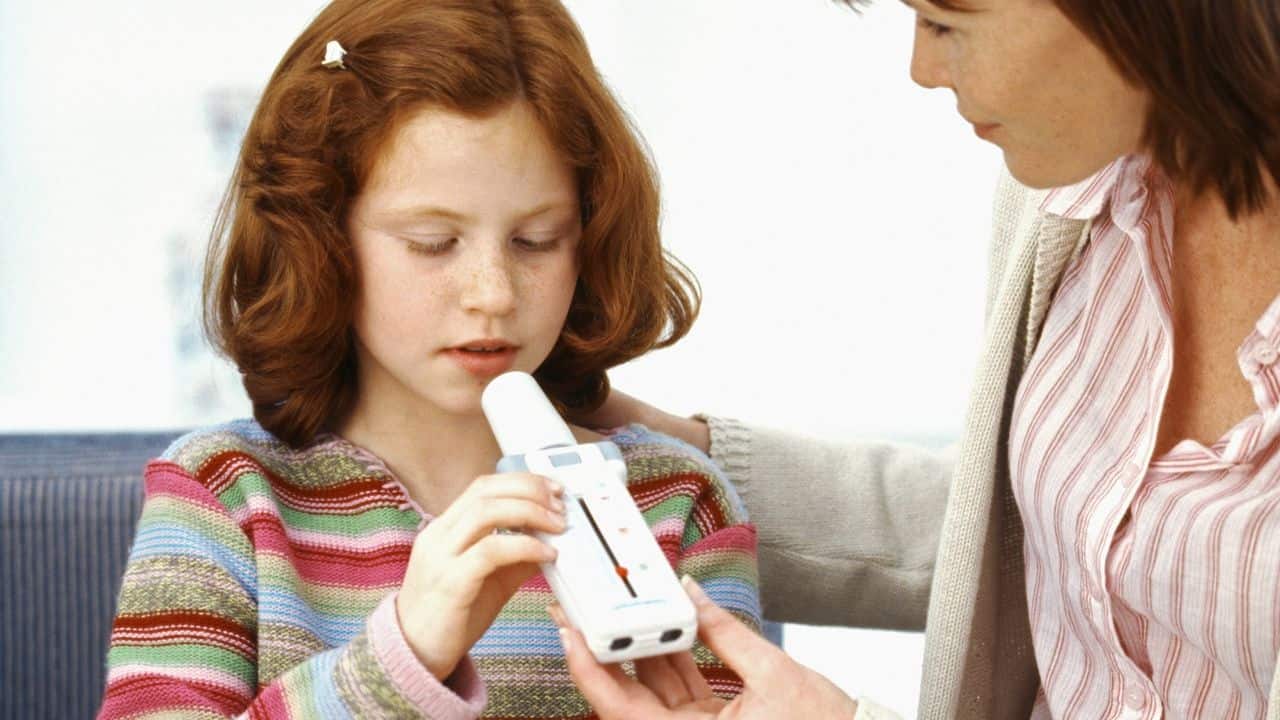
Next, they exhaled into a peak flow meter, attempting to reproduce the intensity of each of three exhalations (weak, medium, and firm). The researchers then repeated the heartbeat experiment with a group of 21 children with ASD and 21 neurotypical children.
The researchers found that children with ASD, but not adults, had significant impairments in interoceptive accuracy. This may suggest, they say, that “a ‘decoupling’ of interoception and emotion processing among some children with ASD results in emotions never being fully anchored within the body, making emotions difficult to understand in self and others across the lifespan even once interoception difficulties have resolved.”
Another possibility, they say, is that “local interoceptive signals are not integrated together in a global sense,” affecting not just emotional processing but also the ability of interoceptive processes to bind with other information sources such as memory and perception. Still a third possibility, they suggest, is that interoception and theory of mind are independently impaired, which could explain why emotion-processing impairments persist in ASD even after interoceptive impairments have resolved.
“Interoception is impaired in children, but not adults, with autism spectrum disorder,” Toby Nicholson, David Williams, Katie Carpenter, and Aimilia Kallitsounaki, Journal of Autism and Developmental Disorders, May 24, 2019 (online). Email: David Williams.
This article also appears in Autism Research Review International, Vol. 33, No. 3, 2019
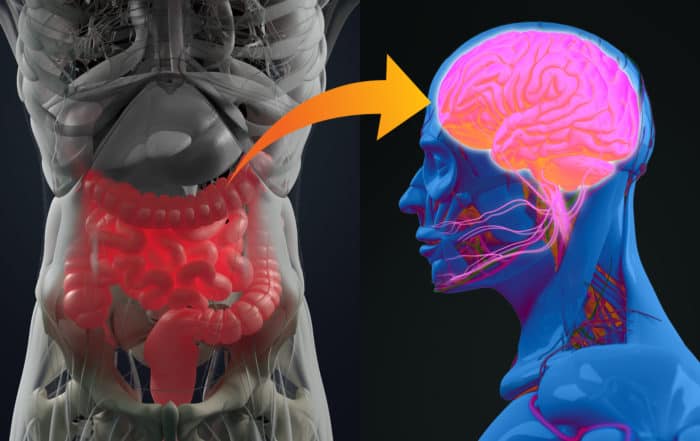
2026 Research Updates: GI Symptoms & Behavior
Free webinar at 1:00 p.m. Eastern time (US), December 2, 2026 Dr. Bradley Ferguson, PhD, a 2024 research grant recipient, will share emerging research on the interaction of GI symptoms and behavior in autism.

Research Updates: Gastrointestinal Issues and Autism
Free webinar at 1:00 p.m. Eastern time (US), July 29, 2026 Harland Winter, MD, will discuss his research on gastrointestinal conditions in individuals with autism. Dr. Winter is an active investigator and educator

Research Updates: What Can Monogenic Syndromes Tell Us About the Underlying Causes of Autism?
Free webinar at 1:00 p.m. Eastern time (US), May 27, 2026 Dr. Daniel Vogt, Ph.D., will discuss his current research on monogenic syndromes and what they can tell us
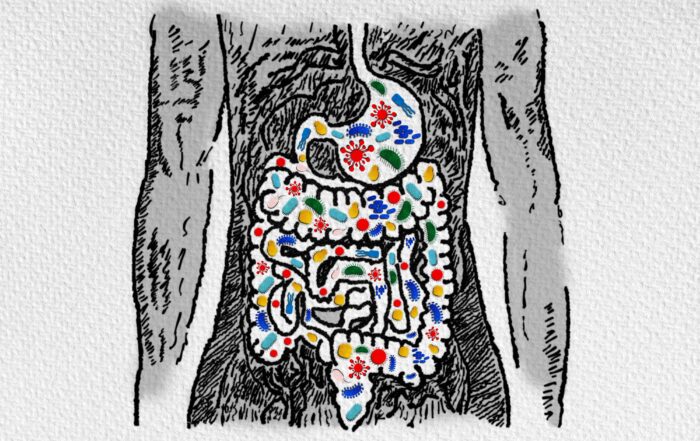
Research Updates: Microbiome Research and Autism
Free webinar at 1:00 p.m. Eastern time (US), May 20, 2026 Rosa Krajmalnik-Brown, Ph.D., will discuss her research on gut microbiota in individuals with autism who have gastrointestinal (GI) problems. She will share

Nutritional Neurobiology of Autism: Revisiting the Zinc Hypothesis
Free webinar at 1:00 p.m. Eastern time (US), May 13, 2026 Recent data support a model in which altered zinc biology may act as a modifiable risk factor within

Emerging Research on Autism Rates and Covid
Free webinar at 1:00 p.m. Eastern time (US), April 22, 2026 Tune in to hear about the Columbia University COVID-19 Mother Baby Outcomes Initiative (COMBO), which resulted in the first report demonstrating that