In the past, families were confused when they noticed something different about their children but couldn’t figure out what it was. Even after getting a diagnosis, parents still struggled because many people didn’t believe autism was real. Pioneers like Bernard Rimland, who started studying autism over 60 years ago, helped change how people thought about it. There was a lot of debate over whether autism was a mental illness, a behavior problem, or something else. As more people became aware of autism, the number of diagnosed cases seemed to grow quickly, raising questions about why this was happening. Scientists are still exploring reasons for this increase, including how our environment and the diversity of living things might play a role.
This is a joint presentation with the World Autism Organisation.
About the speaker:
 Paul Shattock (B.Pharm, Dip.Ag.Vet.Pharm, OBE), a pharmacist and parent of an autistic son, was Honorary Director of the Autism Research Unit (ARU), University of Sunderland, UK now called ESPA Research. He is Chairman of ESPA (Education and Services for People with Autism) which provides teaching and residential services for young adults with autism and President-Elect of the World Autism Organisation (WAO) having previously been secretary for Autisme-Europe. His research interests include rights and models of service provision for people with autism, biomedical and environmental factors implicated in autism, and the use and abuse of medication for autism.
Take the knowledge quiz
Can’t see the quiz below? Take it online HERE

Emerging Research on Autism Rates and Covid
Free webinar at 1:00 p.m. Eastern time (US), April 22, 2026 Tune in to hear about the Columbia University COVID-19 Mother Baby Outcomes Initiative (COMBO), which resulted in the first report demonstrating that
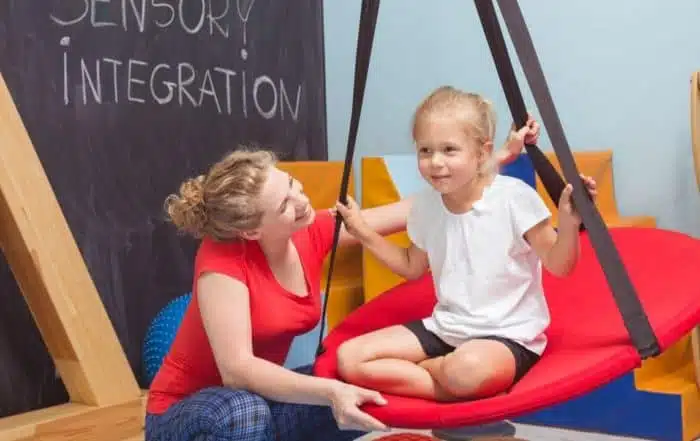
Understanding Autism through the Lens of Sensorimotor Features and Early-Developing Brain Regions
Sensorimotor differences are commonly reported in autistic individuals. However, the daily-life impact and neurobiological basis of motor differences are not clear. This talk will discuss sensorimotor differences commonly reported in
Towards the Development of a Diagnostic Test for Autism Spectrum Disorder: Data Science Meets Metabolomics
Hear Juergen Hahn, Ph.D., ARI Scientific Advisory Board member, discuss how using machine learning can lead to biomarker discoveries in autism research. Handouts are online HERE
How Genetics is Shaping the Field of Autism Research
Learn about how research on genetic influences is shaping our understanding of autism. About the speaker: M. Pilar Trelles, MD, is a licensed and

Disparities in Autism Ascertainment in Black Children
Handouts are available HERE You can access the ongoing study Dr. Dickerson discusses during the Q&A HERE Learn about disparities in autism ascertainment in Black children and accessible treatment models

Nutrition Research Updates: Five Underappreciated Nutrients that Neurodivergent Kids May Be Missing
Vicki Kobliner, MS, RDN, reviews current nutrition research and shares practical strategies to support the health of neurodivergent children.Handouts are online HERE About the speaker: