
Sophie Schwartz, Ph.D., discusses auditory processing disorders (ADPs) in individuals with autism. She defines ADPs and highlights their impact on language acquisition and quality of life. Schwartz outlines her recent research at Boston University and affirms that atypical responses to sound correspond with biological differences in the brain and are not behavioral problems. She discusses current diagnosis and treatment options and outlines future research avenues before closing with a question and answer session.
Take the knowledge quiz for this presentation HERE
4:15 – Listening exercise
5:53 – What is Auditory Processing Disorder
8:00 – Language acquisition
10:50 – Study: Yearly cost across lifespan
13:00 – Current screening, detection, and diagnosis
14:00 – Research aims and objectives
15:53 – Study 1
19:49 – Study 2
24:19 – Results overview and hypothesis
26:30 – Future research
28:00 – Auditory Integration Training (AIT)
29:27 – Supports for intervention and education accommodation
34:12 – Q & A
Auditory processing disorders (APDs) arise from issues in the auditory cortex, the part of the brain where sounds are prioritized or removed (6:10); this is a particular issue for individuals with autism (7:00), as atypical auditory behaviors are predictors of ASD. Auditory attention and filtering difficulties can impact emotional and physical well-being (7:26). Schwartz explicitly stresses the impact of ADPs on language acquisition and describes how auditory differences can influence language development via
- Inability to detect and organize patterns in speech (8:15),
- Lack of response to salient speech (8:40), especially to one’s name, and
- Aversion and avoidance of sound (9:20).
Language and auditory impairments can make learning, working, living, and socializing difficult (10:20). One-third of individuals diagnosed with autism never learn to communicate using fluent language (10:00). Further, a study of data from 2015 found that the yearly cost for individuals with autism across their lifespan is nearly twice as much if they have a language impairment (10:50). Therefore, Schwartz states, it is imperative to establish how auditory processing difficulties impact language acquisition and quality of life (10:00).
The presenter outlines her research using EEGs to develop a brain measure that captures sound processing deficits that indicate whether a child (0 – 1 year) is at risk for auditory and language processing disorders (14:35). Study 1 (15:53) found that children with major language impairments responded differently to sound from their verbally fluent autistic peers (17:00). Study 2 (19:49) showed that people with auditory processing difficulties are less likely to differentiate their own name (21:00) from someone else’s. Both studies found a positive linear trend between response strength and observed behavior characteristics of an ADP (24:00).
Schwartz asserts that these findings reaffirm that atypical responses to sounds are not behavioral problems. On the contrary, biological evidence shows that activity in the brain is different (26:30). She suggests that neurological imbalances of excitatory and inhibitory brain signals may cause decreased signal-to-noise transmission of incoming inputs. This induces rapid-fire to all inputs with little distinction or prioritization, which can cause important signals to be lost in the noise (25:18). She suggests directions for future research and emphasizes the need to validate measurements and treatments specific to ADPs (27:00). Schwartz posits that future research should ultimately aim to detect signs of autism and auditory/language impairment earlier in childhood and find the best interventions for each patient.
Current diagnostic assessments and treatments specific to ADPs are limited and require further validation (33:40). Schwartz advocates investing in intensive early interventions (> age 5) that occur for multiple hours a week (11:35). She discusses Auditory Integration Training (AIT) as a known treatment noting it is not empirically validated (29:00). Schwartz lists potential supports for intensive interventions, including Joint Attention Treatments (JASPR) (29:48), speech-language pathology (30:06), parent education (30:26), and more (29:27). She urges healthcare and government providers to support these initiatives as funding for detection and intervention before age five can make a difference for non-verbal children (32:00) and could significantly contribute to the quality of life and long-term cost (11:50). Schwartz closes with a Q&A session (34:12). She discusses finding knowledgeable providers, the validity of assessments, resource groups, classrooms and personalized interventions, auditory processing issues in adults with autism, music therapy, animal companions, parent tips for working with clinicians, and more.
About the speaker:
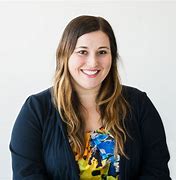 Sophie Schwartz, PhD is a postdoctoral research fellow and project manager for the Predicting and Optimizing Language Outcomes research program at Boston University Center for Autism Research Excellence. Dr. Schwartz received her doctorate in Computational Neuroscience from Boston University’s School of Medicine, with a dissertation focused on central auditory processing and selective auditory attention skills in minimally and low verbal children, adolescents, and young adults with autism. Her doctoral work also focused on how we can use passive neuroimaging methods to capture brain processing from people who cannot reliably participate in research that requires them to speak or follow complicated spoken directions.
Take the knowledge quiz
Can’t see the quiz below? Take it online HERE
Research Updates: What Can Monogenic Syndromes Tell Us About the Underlying Causes of Autism?
Free webinar at 1:00 p.m. Eastern time (US), May 27, 2026 Dr. Daniel Vogt, Ph.D., will discuss his current research on monogenic syndromes and what they can tell us

Sustained Potential as a Biomarker of Language Functioning in Autism
Free webinar at 1:00 p.m. Eastern time (US), April 15, 2026 Sustained potential (SP) is a neural response to periodic auditory stimuli registered with EEG 40Hz Auditory Steady-State Response.
Understanding Autism through the Lens of Sensorimotor Features and Early-Developing Brain Regions
Sensorimotor differences are commonly reported in autistic individuals. However, the daily-life impact and neurobiological basis of motor differences are not clear. This talk will discuss sensorimotor differences commonly reported in
Towards the Development of a Diagnostic Test for Autism Spectrum Disorder: Data Science Meets Metabolomics
Hear Juergen Hahn, Ph.D., ARI Scientific Advisory Board member, discuss how using machine learning can lead to biomarker discoveries in autism research. Handouts are online HERE
How Genetics is Shaping the Field of Autism Research
Learn about how research on genetic influences is shaping our understanding of autism. About the speaker: M. Pilar Trelles, MD, is a licensed and

Evidence That Speaks: Prioritizing Proven Communication Supports for Non-Speaking Autistic Children
Connie Kasari, PhD, details what contemporary research reveals about supporting non-speaking or minimally verbal autistic children. She highlights how far the field has come in the past two decades and emphasizes the