
Motor Skills and Executive Function in Autism
Megan MacDonald, Ph.D., and Megan McClelland, Ph.D., discuss emerging research on the relationship between motor skill development and executive function in autism. They define motor skills and executive

Webinars provided in partnership with:

ARI’s free autism research and treatment webinars for people with autism, parents, physicians, and other professionals are made possible by generous donor support.
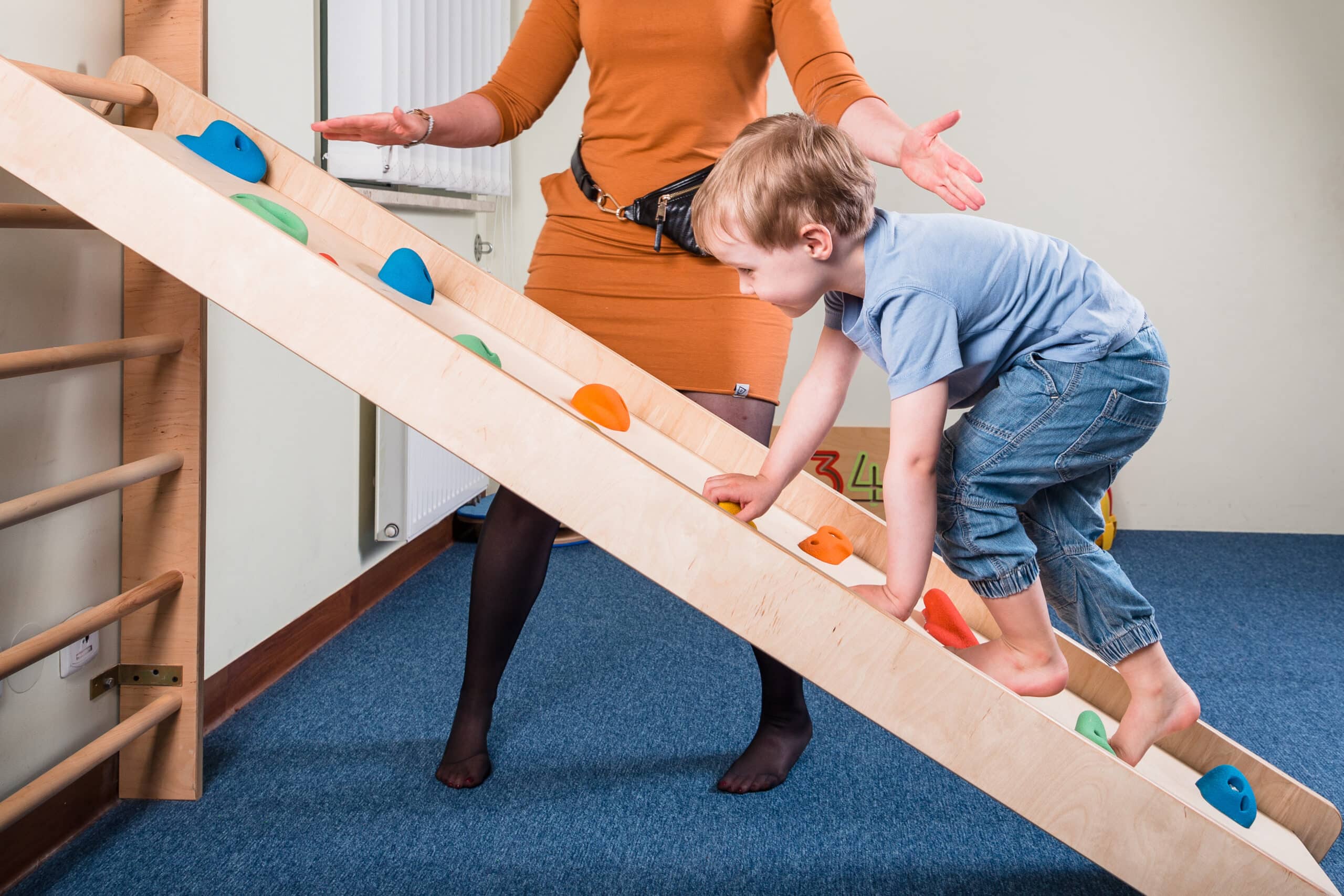
Megan MacDonald, Ph.D., and Megan McClelland, Ph.D., discuss emerging research on the relationship between motor skill development and executive function in autism. They define motor skills and executive
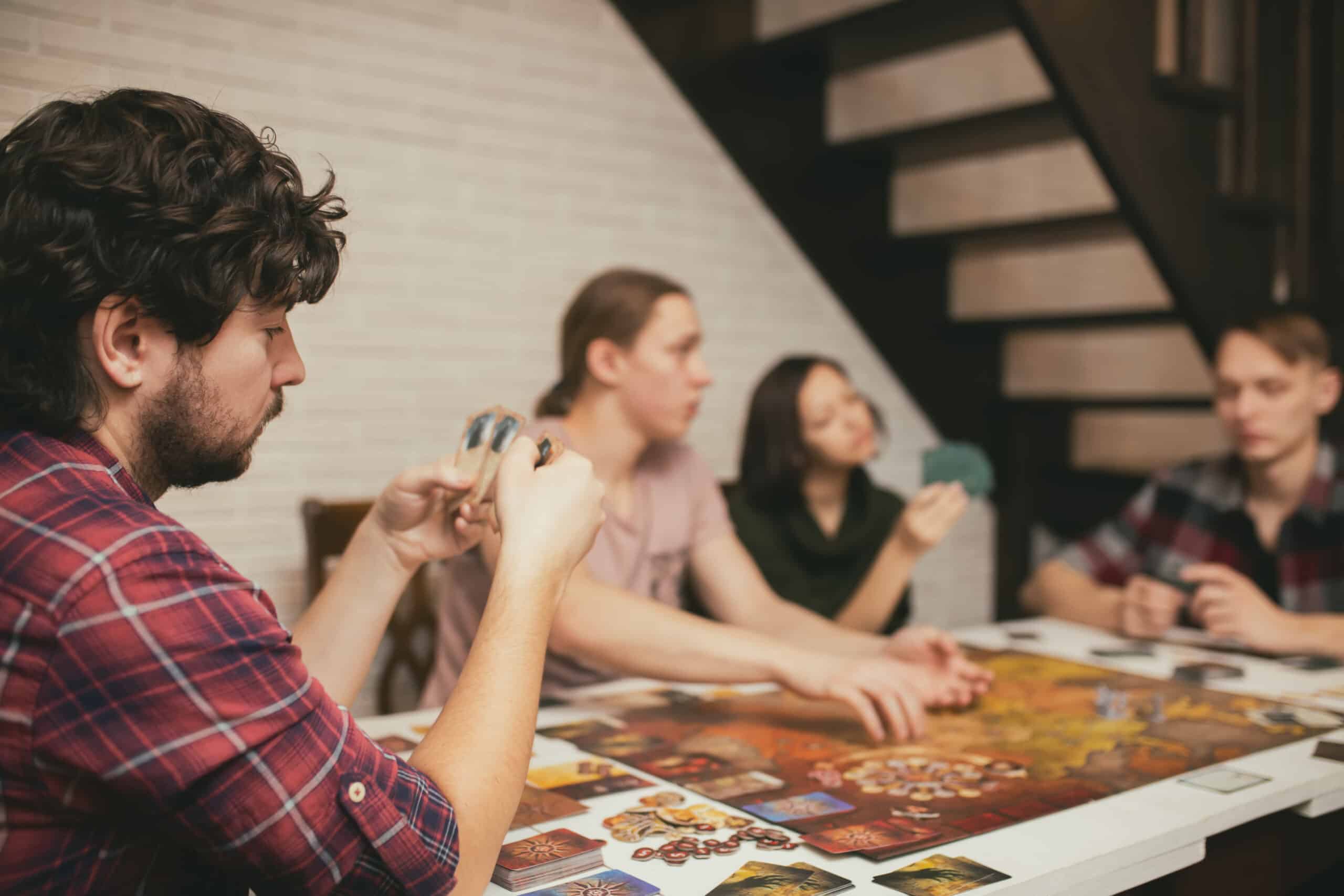
Doctors Liam Cross & Gray Atherton discuss research suggesting that board game skills may be a lifelong bridge to engaging with peers. They provide context for the

Gray Atherton, Ph.D., details the socialization of the female gender experience and how that plays into autism gender biases. The speaker discusses the experiences of autistic women,
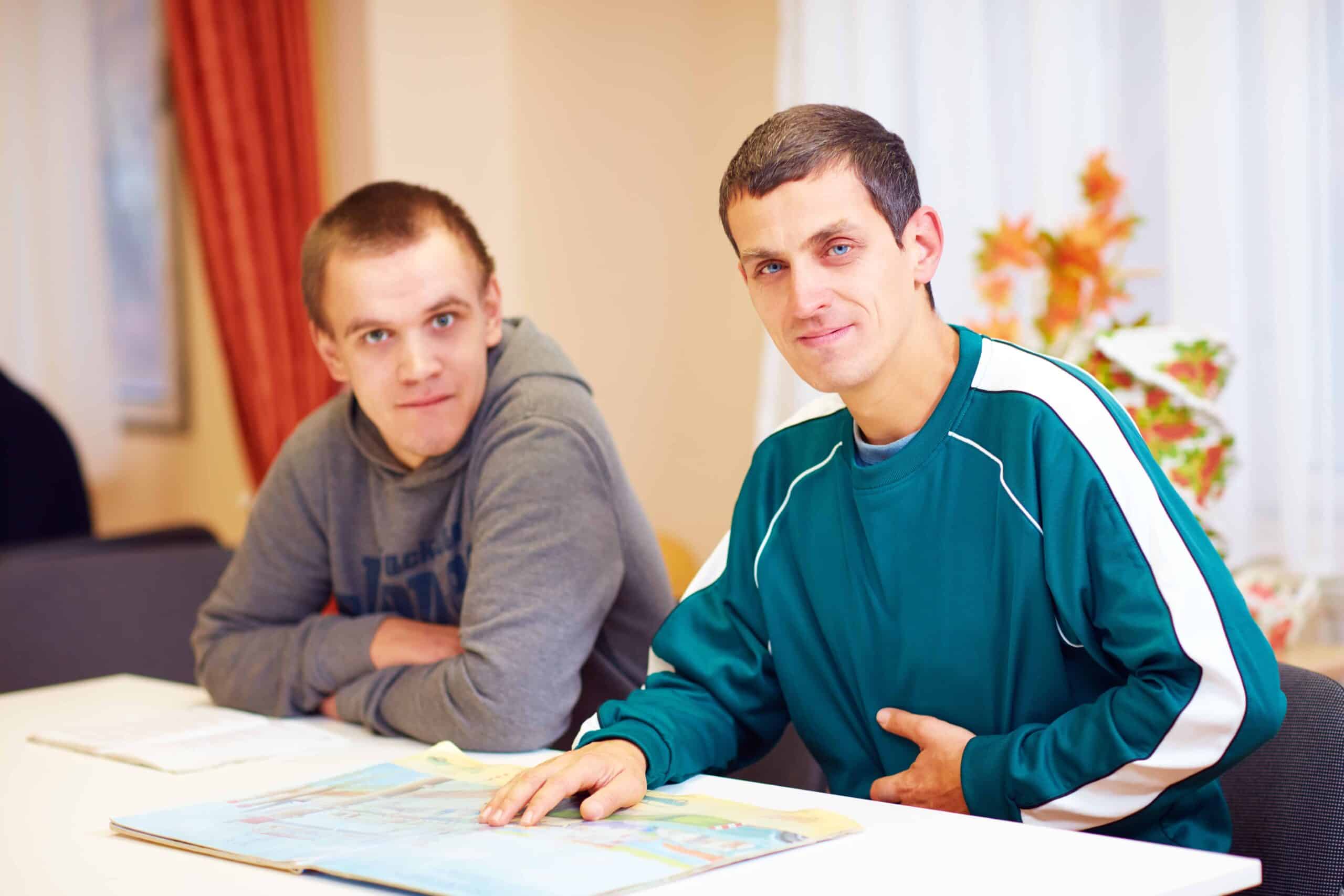
Drs. Greg Wallace and Goldie McQuaid share their research on strategies autistic adults develop to compensate for non-social challenges they experience, including sensory sensitivities and

Vanessa Rentschler, Au.D., CCC-A, C.A.S., discusses sensory considerations for social communication in autism. She highlights common auditory processing differences, available services, and the overlap of visual

Dr. Gray Atherton, Ph.D., explores the connection between autism and anthropomorphism. She provides a brief historical and social context for anthropomorphism in our daily lives before
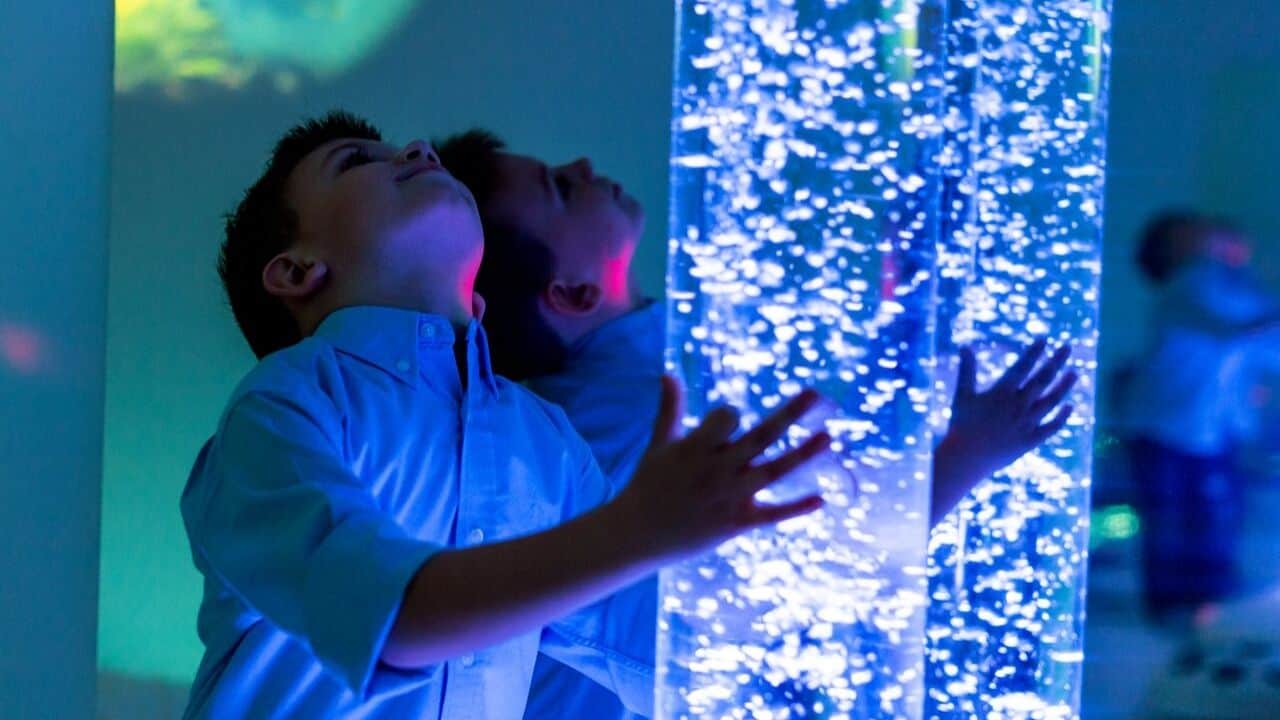
Dr. Tami Bar-shalita, Merry Kalingal Levi, and Dr. Yelena Granovsky explore the intricate connections between pain, sensory perception, and autism. They discuss quantitative and qualitative research findings

Dr. Emily Casanova and Rosie Head discuss research updates on Ehlers-Danlos Syndromes (EDS) and their overlap with autism. Casanova outlines ongoing research investigations into the genetic factors that

Jennifer Knott, CTRS, discusses aquatic therapy programming for autistic individuals. She highlights the potential of such programs for removing barriers to involvement and expanding individual recreation repertoire to
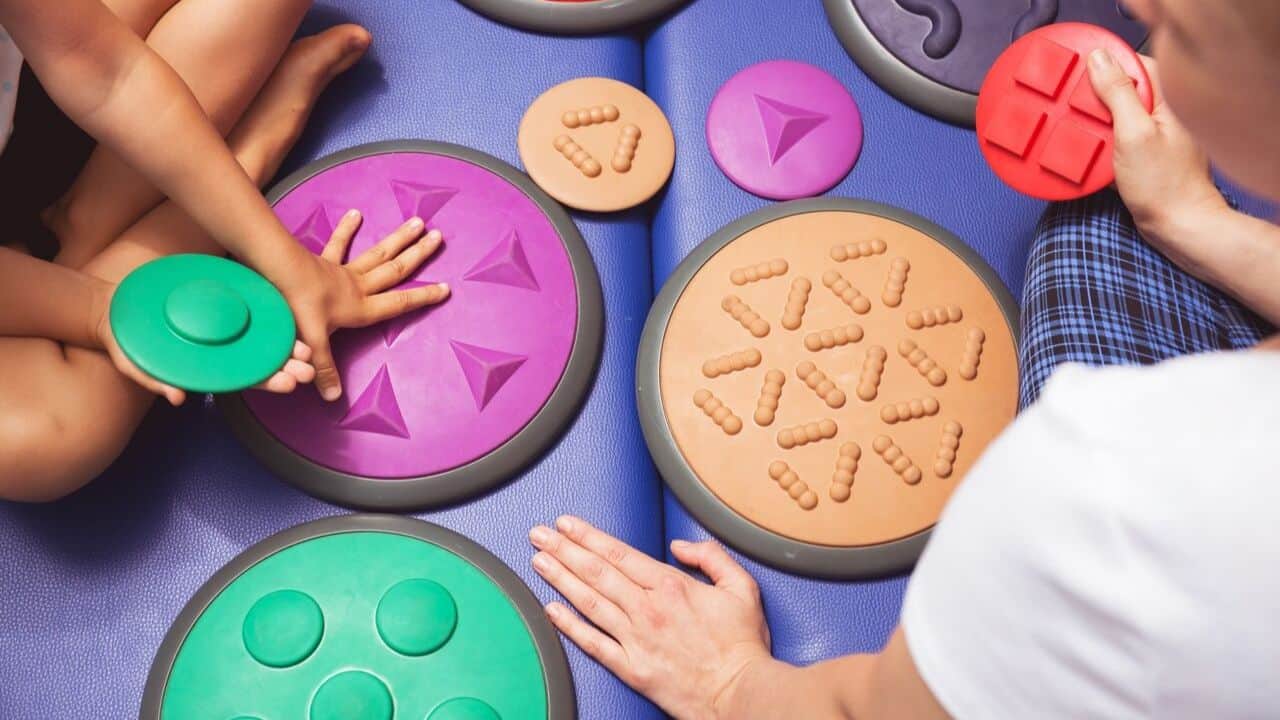
Moira Peña, BScOT, MOT, OT, Reg. (Ont.), answers questions about sensory strategies for home. This recorded live question and answer session was a follow-up to our two-part series