School closures, suspended recreational activities, and limited therapies due to the COVID-19 pandemic have left many families with few choices for physical activities. Learn how the need for movement and sensory integration doesn’t stop, and tips for exercises that may help fill the gap.
About the speaker:
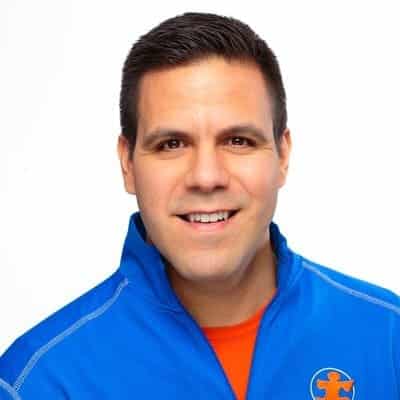 David S. Geslak, BS, ACSM EP-C, CSCS, was asked to teach exercise to a boy with autism at his first personal training job. After successfully teaching the 9-year old to skip after four sessions, David was surprised at the parents reaction, “We had been trying to get him to skip for two years; thank you!” As a former student assistant strength coach for the University of Iowa Football Program, David never felt the same “making a difference” impact.
As word spread, David began working with more children on the spectrum, and continued to witness both physical and emotional breakthroughs. He soon learned that exercise not only impacts the health of those with autism but also improves their self-confidence, social skills, and calms unwanted behaviors. To follow his passion of helping the autism community, he entrenched himself at a school for children with autism, Giant Steps, and developed their first fitness program. To transform the lives of more children, adults, and families David started Exercise Connection in 2009.
Take the knowledge quiz
Can’t see the quiz below? Take it online HERE

Research Updates: What Can Monogenic Syndromes Tell Us About the Underlying Causes of Autism?
Free webinar at 1:00 p.m. Eastern time (US), May 27, 2026 Dr. Daniel Vogt, Ph.D., will discuss his current research on monogenic syndromes and what they can tell us

Sustained Potential as a Biomarker of Language Functioning in Autism
Free webinar at 1:00 p.m. Eastern time (US), April 15, 2026 Sustained potential (SP) is a neural response to periodic auditory stimuli registered with EEG 40Hz Auditory Steady-State Response.
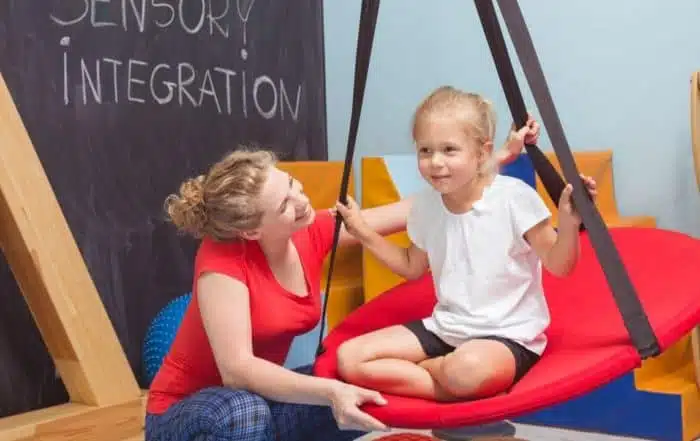
Understanding Autism through the Lens of Sensorimotor Features and Early-Developing Brain Regions
Sensorimotor differences are commonly reported in autistic individuals. However, the daily-life impact and neurobiological basis of motor differences are not clear. This talk will discuss sensorimotor differences commonly reported in
Towards the Development of a Diagnostic Test for Autism Spectrum Disorder: Data Science Meets Metabolomics
Hear Juergen Hahn, Ph.D., ARI Scientific Advisory Board member, discuss how using machine learning can lead to biomarker discoveries in autism research. Handouts are online HERE
How Genetics is Shaping the Field of Autism Research
Learn about how research on genetic influences is shaping our understanding of autism. About the speaker: M. Pilar Trelles, MD, is a licensed and
Evidence That Speaks: Prioritizing Proven Communication Supports for Non-Speaking Autistic Children
Connie Kasari, PhD, details what contemporary research reveals about supporting non-speaking or minimally verbal autistic children. She highlights how far the field has come in the past two decades and emphasizes the