Vicki Kobliner, MSRD, discusses steps for optimizing preconception and prenatal health through good nutrition. She contextualizes the epidemic of chronic illnesses in children and underscores nutrition-based GI health and detoxification. The speaker shares standard recommendations for nutritious diets and notes the importance of healthy GI tracts in neurotransmitter production and overall immune health. Kobliner discusses diseases linked to gluten and/or cow’s milk, unnecessary medications, heavy metals (i.e., mercury, lead, and arsenic), pesticides, and chemicals. She advises transforming and enriching the space where a baby will grow (mother’s body/womb), detailing vital nutrients and steps in childbirth. The presenter lists nutrient-rich food options and meal ideas before the Q & A.
Certificates of participation for this webinar are available upon successful completion of this brief knowledge quiz
Handouts are available HERE
In this webinar:
2:45 – Epidemic of chronic illness in children
3:45 – Baby’s first home
4:24 – The gut: Gatekeeper for health
6:03 – Factors for fetal development
7:30 – When to start prenatal/preconception care
8:14 – Standard recommendations
9:27 – Standard American diet (SAD)
11:05 – Throwing out the trash
14:03 – Food allergies and intolerances
17:05 – Diseases linked to gluten and/or cow’s milk
17:47 – Unnecessary medications
18:30 – Mercury and heavy metals
20:30 – Pesticides and chemicals
22:40 – Transforming and enriching your baby’s first home
23:35 – Basics of a healthy diet
27:35 – Important nutrient information
34:00 – C-sections and GI bacteria transfer
36:15 – Rethinking daily meals
39:09 – Animal protein, fats, oils, vinegars, grains
40:25 – Extras
42:03 – Fermented foods and bone broth
45:13 – Ideas for meals and food on the go
47:03 – What a clean home provides
47:30 – Q & A
Introduction
Kobliner details the epidemic of chronic illness in children in the US. At the time of the presentation (2015), studies showed 54% of children in the US had at least one chronic illness such as asthma, allergies, ADHD, and celiac (2:45). The speaker reminds viewers that a baby’s first home is in the mother’s womb which, along with the gut microbiome, should be well cleaned and taken care of (3:45). The gut microbiome is a critical modulator of gut-brain communication and produces more than 90% of neurotransmitters (4:24). Therefore, she asserts, it is “absolutely essential that we have a normal well-functioning GI tract.” Kobliner notes that a mother’s health, as well as one’s environment and lifestyle, impact fetal development. Detoxification and preconception care should start as early as possible, ideally at least one year before conception (7:30). The speaker lists standard recommendations for preconception and prenatal care (8:41) and likens this process to that of cleaning a house (your body) (9:27).
Standard American Diet
The standard American diet (SAD) is nutrient-poor and high in sugar and processed foods which increase inflammation, lower immunity, and impair digestion (10:04). To begin detoxifying, the speaker suggests “throwing out the trash” from one’s body and environment (11:05). “Trash” in this sense includes artificial colors (e.g., red dye #2), preservatives, sweeteners, additives like BHT, processed grains and refined sugars, undesirable fats, and contaminated water (13:05). She touches on the impact these foods have on allergies and intolerances (14:03) including diseases linked to gluten and/or cow’s milk such as constipation, Crohn’s disease, diabetes, depression, cancer, and more (17:05). Kobliner discusses the adverse effects of unnecessary medications like birth control, which depletes nutrients necessary for detoxification like vitamin B (must be replenished before conception), and antibiotics which kill gut flora required for healthy gut microbiomes and immune systems (17:47).
Chemicals and heavy metals
Heavy metals like lead, mercury, and arsenic, Kobliner continues, are found in various foods (chicken, rice, high fructose corn syrup), toys, and in the air and ground (20:20). While these are naturally occurring substances, in large quantities they can be dangerous. The speaker notes that one should never remove dental amalgams with mercury during conception or pregnancy as doing so will release more metal into the bloodstream and expose the fetus (18:30). She explains that pesticides and chemicals found in one’s blood cross the placenta during development (contrary to past understandings), underscoring that fetuses are exposed to all the substances we are (20:30). These substances often include pesticides, plasticizers, dry cleaning solutions, and household cleaners (especially scented). In fact, studies show that up to 99% of pregnant women have flame retardants, pesticides, and plasticizers in their blood and, subsequently, in the womb (22:20). Such pesticides and chemicals have been linked to cancer, ADHD, lower IQ, and autism. Kobliner underscores that her aim is not to scare anyone but to provide information and suggestions for detoxifying and creating a healthy home for developing babies (20:10).
Vital nutrients and where to find them
To transform and enrich one’s body and space where the baby will grow, the speaker suggests eating nutrient-rich foods (22:40), adding anti-inflammatory compounds, and promoting good gut flora (24:14). She outlines the basics of a healthy diet, including organic foods, plant-heavy meals, healthy fats, moderate animal proteins (preferably pasture-fed), and minimal sugar and processed carbs (25:35). Kobliner details six vital nutrients to include in a healthy diet: Iron (28:41), Choline (29:03), Omega 3s (29:25), Folate (29:52), Vitamin D (31:20), probiotics (32:33), Iodine (35:02), and Vitamin A (35:34). She discusses foods containing each nutrient, daily intake amounts and how they affect bodily health and fetal development. The speaker emphasizes maternal bacteria transfer during vaginal birth, which occurs as the baby passes through the vaginal canal. In the case of a C-section, she continues, it is vital to transfer this bacteria another way as it forms the baseline gut microbiome allowing normal neurotransmitter production. This can be achieved by wiping one’s vaginal area with one’s finger and then letting the infant suck on that finger (34:00).*
Healthy diets and clean “homes”
Kobliner compares typical US meal plans to an optimal meal schedule (36:15), lists nutrient-rich produce options, including nuts and legumes (37:35), and discusses animal protein sources (39:09). The speaker suggests “extras” such as arrowroot, herbs, spices, and nutritional yeast for a healthy diet (40:25). She emphasizes the benefits of fermented foods, noting that the US is one of few countries not to include fermented food in regular diets (42:03). Kobliner provides ideas for food on the go (45:13), breakfast (45:45), lunch, and dinner (46:20) and discusses the science behind bone broth (42:36). The speaker highlights that a clean home is toxin free, nourishing, supports detoxification, promotes and enhances gut and immune function, and reduces inflammation (47:03). Kobliner asserts once more that the womb/mother’s body is a baby’s first home before she opens the floor to questions (47:30).
*Understandings of GI microbiota transfer have evolved since the time this presentation was published. Researchers now understand that the placenta has its own microbiome (contrary to historic beliefs) and the fetus is exposed to bacteria and chemicals within the mother’s body from the time of conception. You can learn about this and other research updates here!
Published: 09/21/2016
About the speaker:
 Ms. Kobliner is a Registered Dietitian and owner of Holcare Nutrition (www.holcarenutrition.com). She practices a functional nutrition approach to help the body heal itself, and has extensive experience using various diet modalities to help children with autism and related disorders. Vicki works with infants, children, and adults with chronic illnesses, digestive disorders, food allergies, ADHD, and autism, and provides fertility and prenatal nutrition counseling. She is a contributing author to A Compromised Generation: The Epidemic of Chronic Illness in America’s Children.
Emerging Research on Autism Rates and Covid
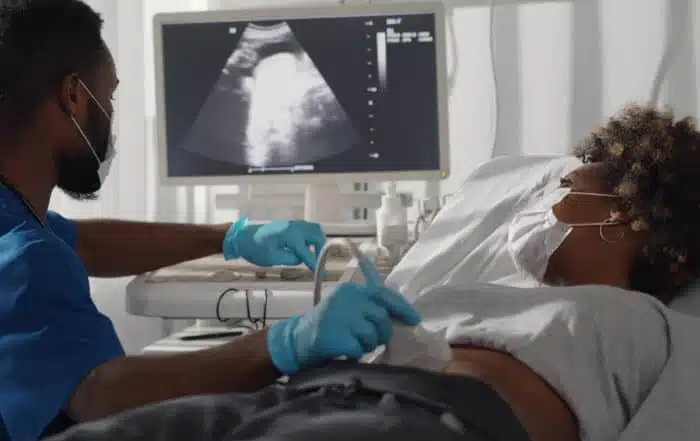
Free webinar at 1:00 p.m. Eastern time (US), April 22, 2026 Tune in to hear about the Columbia University COVID-19 Mother Baby Outcomes Initiative (COMBO), which resulted in the first report demonstrating that
Gene Therapy for Mutations in the IQSEC2 Gene
The IQSEC2 protein is a guanine nucleotide exchange factor for Arf6. Pathogenic variants in the X-linked IQSEC2 gene are associated with drug-resistant epilepsy, severe intellectual disability, and autism. The vast
Towards the Development of a Diagnostic Test for Autism Spectrum Disorder: Data Science Meets Metabolomics
Hear Juergen Hahn, Ph.D., ARI Scientific Advisory Board member, discuss how using machine learning can lead to biomarker discoveries in autism research. Handouts are online HERE
How Genetics is Shaping the Field of Autism Research
Learn about how research on genetic influences is shaping our understanding of autism. About the speaker: M. Pilar Trelles, MD, is a licensed and
Breakthroughs in Understanding roles of Genes and Environment in Autism
About the speaker: Dr. Jonathan Sebat, Director, Beyster Center for Psychiatric Genomics Dr. Sebat leads an interdisciplinary team in the clinical and genomic analysis of
The Low-Hanging Fruit: Exploring Monogenic Syndromes with Elevated Rates of Autism
Dr. Daniel Vogt, Ph.D., explores monogenic syndromes and what they can tell us about the underlying causes of autism. He describes signaling pathways critical in early development, highlighting the electrical nature of