Dr. William Parker’s presentation on the impact of parasites, helminths, biofilms and viruses on the human immune system in a toxic environment.
Certificates of participation are available upon successful completion of a brief knowledge quiz at: https://www.classmarker.com/online-test/start/?quiz=xdg5548de1bb84b8
Published: 05/06/2015
 William Parker, PhD is an Associate Professor of Surgery at Duke University School of Medicine. His research interests include the promicrobial aspects of the immune system and investigating the immunological differences between laboratory-raised and wild-raised animals as a probe for differences between humans with and without modern medical care, respectively. This comprehensive approach has turned up unexpected and dramatic differences between the unhygienic and hygienic populations.
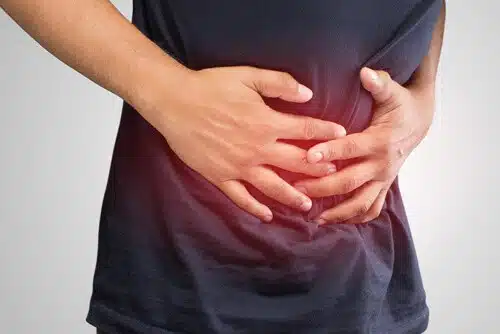
Research Updates: Gastrointestinal Issues and Autism
Free webinar at 1:00 p.m. Eastern time (US), July 29, 2026 Harland Winter, MD, will discuss his research on gastrointestinal conditions in individuals with autism. Dr. Winter is an active investigator and educator
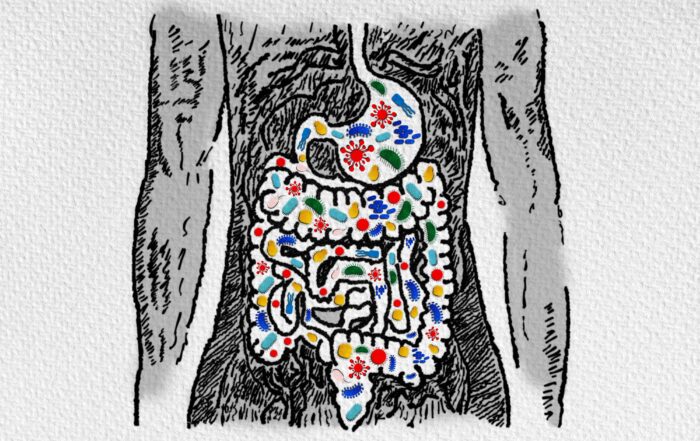
Research Updates: Microbiome Research and Autism
Free webinar at 1:00 p.m. Eastern time (US), May 20, 2026 Rosa Krajmalnik-Brown, Ph.D., will discuss her research on gut microbiota in individuals with autism who have gastrointestinal (GI) problems. She will share
The autism-associated 16p11.2 microdeletion variant impacts the effects of microbiota disturbances on hippocampal development and behavior throughout the lifespan
Handouts are online HERE Approximately 17% of children are diagnosed with NDDs, including ASD, ADHD, and ID, which are highly heterogenous, frequently co-occur, and manifest in early life in sex-dependent fashion.
Editorial – Fecal Microbiota Transplantation and Autism
Over the past several years, Fecal Microbiota Transplantation (FMT) has become the subject of growing interest in the autism community due, at least in part, to the increased awareness of
New multi-national study adds to evidence linking alterations of the gut microbiome to autism
Strong new evidence linking alterations of the gut microbiome to autism spectrum disorders (ASD) comes from a new multi-national study by James Morton and colleagues. In the study, researchers in North America,
Constipation in infancy associated with higher likelihood of autism diagnosis
More evidence linking autism spectrum disorders (ASD) to gastrointestinal problems comes from a study by researchers in Taiwan and the United States, who report that ASD occurs at an elevated rate in