ARI awards grants to advance innovative research with real potential to improve the lives of autistic people. In 2025, we awarded nearly $600,000 in scientific research grants, continuing our long-standing commitment to funding work that makes a meaningful difference.
Recent news about autism research underscores the urgency of this work. ARI helps launch preliminary studies that are often overlooked, filling critical gaps and paving the way for new discoveries. ARI remains committed to advancing independent research that complements public efforts and strengthens support for autistic people and their families. In the year ahead, we will remain focused on both education and research across a broad range of priorities, including genetics, neurology, co-occurring medical conditions, nutrition, sensory processing, severe and challenging behaviors, and issues affecting autistic adults and seniors. Strengthening connections among investigators, professionals, parents, and autistic people worldwide remains central to our mission—because collaboration drives effective advocacy and meaningful progress.
2025 Robert L. Hendren Research Grant Award Winner
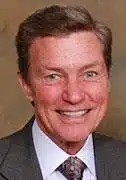
Dr. Robert Hendren
In honor of his many years of support for our work, serving as a member of ARI’s Scientific Advisory Board and Board of Directors, the top-scoring research grant proposals funded each year are now recognized as Robert L. Hendren Research Grant Award recipients.
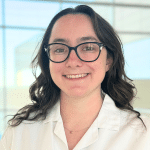
2025 RECIPIENT:
Melissa Franch, Ph.D.
Baylor College of Medicine
Young investigator (Post-doctoral Scholar)
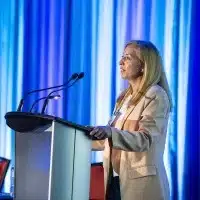
Melissa Franch, PhD
More Research Studies
2025 ARI Scientific Research Grant Awards

Understanding the impact of protective genes for autism spectrum disorder
David Beversdorf, M.D.
University of Missouri
Previous autism spectrum disorders (ASD) research has focused on inserting genes known to cause autism in patients into rodents, examining the mechanism, and working towards targeted treatment. We have recently examined the large autism genetic registry (SPARK) to identify protective genes. The present work proposes the novel approach of examining insertion of a protective gene in mouse models, using this approach to work towards development of targeted treatment. In this manner, we can develop a highly novel mechanism of developing novel treatments based on targeting these protective mechanisms.
 Probing the GluN2B-CaMKII Interaction in GRIN2B C-Tail Variants
Chad Camp, MPH, Ph.D.
University of Colorado Anschutz Medical Campus
Young investigator (Post-doctoral scholar)
Genetic variants in GRIN2B, encoding the GluN2B subunit of NMDA receptors (NMDARs), are strongly associated with autism spectrum disorder (ASD) and related neurodevelopmental disorders. While variants in the ligand-binding and transmembrane domains are well characterized as gain- or lossof-function due to measurable changes in ion channel properties, nearly one-third of pathogenic variants localize to the C-terminal domain (C-tail). Despite their prevalence and strong disease association, C-tail variants often show minimal changes in canonical receptor function, leaving their pathogenic mechanisms unresolved. This proposal tests the hypothesis that GluN2B C-tail variants contribute to disease by disrupting essential protein–protein interactions that govern synaptic development and plasticity, rather than by altering ion conductance. Aim 1 will determine whether C-tail variants alter electrophysiological properties when expressed with critical binding partners. Aim 2 will define the effects of variants on CaMKII and PSD95 interactions using live-cell imaging and in vitro binding assays. Aim 3 will assess synaptic localization and receptor mobility in neurons expressing C-tail variants. Together, these studies will establish new functional criteria for classifying GRIN2B variants, expand the experimental toolbox for interrogating non-canonical NMDAR functions, and provide a mechanistic framework to better guide patient care and therapeutic strategies.
Memory-guided decision making and cognitive flexibility in SCN2A haploinsufficiency
Michael Coulter, M.D., Ph.D.
The Regents of the University of California, San Francisco
Young investigator (Post-doctoral Scholar and Specialist)
Many autistic individuals have cognitive impairment that interferes with daily functioning, and so developing interventions to improve cognitive function in autism spectrum disorders (ASD) can address a large unmet medical need. I have developed an animal model to address this need. Loss-of-function variants in SCN2A are one of the most commonly identified genetic causes of ASD. I model cognitive impairment by studying behavior and in vivo electrophysiology during spatial memory tasks in rats with Scn2a heterozygous loss-of-function (Scn2a+/- ). I have found impairment in memory-guided decision making in Scn2a+/- rats during these tasks and identified two electrophysiological changes associated with this impairment. I will use the Scn2a+/- rat model to test if interventions targeting these specific changes can improve cognitive impairment. (1) My preliminary data show task-relevant hippocampal spatial representations of future locations are largely absent in Scn2a+/- rats, and I have developed a closed-loop neurofeedback paradigm that can increase these representations; thus, I will test the hypothesis: increasing task-relevant spatial representations in Scn2a+/- rats improves task learning. (2) My preliminary data also show increased electrophysiological seizure activity in these rats, and so, I will test the hypothesis: seizure reduction with ethosuximide improves task learning in Scn2a+/- rats.
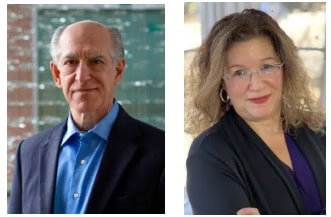
Defining Molecular and Cellular Pathways in ASD: Insights from High Risk 3q29 Copy Number Variant
Emanuel DiCicco-Bloom, M.D., and Jennifer Mulle, Ph.D.
Rutgers Robert Wood Johnson Medical School
A major challenge in autism research is to understand the fundamental molecular and neurobiological mechanisms that disrupt brain development, structure, and function to produce diverse behavioral and cognitive abnormalities. Here we leverage a rare genetic copy number variant (CNV), 3q29 deletion (3q29Del), to learn about biological processes by which autism may arise. 3q29Del confers high risk for autism: males with 3q29Del are 15-times more likely to have autism, while risk rises to 36-times for females. As with other CNVs affecting neurodevelopment, 3q29Del also contributes to schizophrenia, depression, ADHD, ID. Our insights may promote comparative analysis of how specific clinical outcomes/phenotypes emerge from relatively common versus distinct disruptions in downstream genetic programs. The 3q29Del mouse model is a key resource: our preliminary studies identify robust hyperproliferation of neural precursor cells (NPCs) in the embryonic day 15.5 (E15.5) cerebral cortex, a phenotype that is convergent with extensive evidence of dysregulated prenatal neurogenesis in ASD pathogenesis. In Aim 1, we fully characterize the extent of dysregulated NPC proliferation caused by 3q29Del from E13.5 to birth. In Aim 2 we identify changes in gene expression that mediate this alteration in neurogenesis. In Aim 3, we replace a key gene in the 3q29Del interval and assess whether neurogenesis can be restored. These data will support a 5-year NIH R01 proposal.
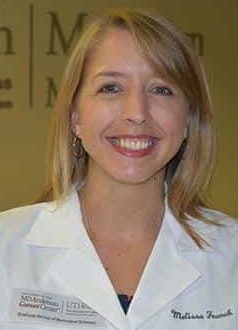 Single neuron encoding of language semantics and social signals in autism
Melissa Franch, Ph.D.
Baylor College of Medicine
Young investigator (Post-doctoral Scholar)
Improving quality of life for individuals with profound autism and their caregivers is a critical goal for neuroscience. Profound autism involves multiple support needs that can limit independence, social integration, and employment. Neuromodulation, which benefits conditions such as Parkinson’s disease and depression, may also improve communication and social interaction – hallmark deficits of profound autism. Appropriately targeted interventions could enhance attention to socially relevant visual and linguistic cues, improving social behavior and reducing disease burden. However, progress is limited by our incomplete understanding of the neural basis of communication in both neurotypical and autistic individuals. Effective communication depends on shared understanding of word meanings (semantics), which are shaped by context, the speaker’s identity, and nonverbal cues. The brain binds these cues with semantics, a process disrupted in autism. The anterior cingulate cortex (ACC) encodes social and linguistic information and is central to theories of salience dysfunction in autism. I hypothesize the ACC binds nonverbal cues and speaker identity to semantics, showing semiorthogonal binding in healthy individuals but dysregulated integration in autism. Using singleneuron recordings during natural conversations with gaze and speech tracking, I will examine linguistic-social integration. This work will characterize neurolinguistic mechanisms in autism and inform future neuromodulatory interventions.
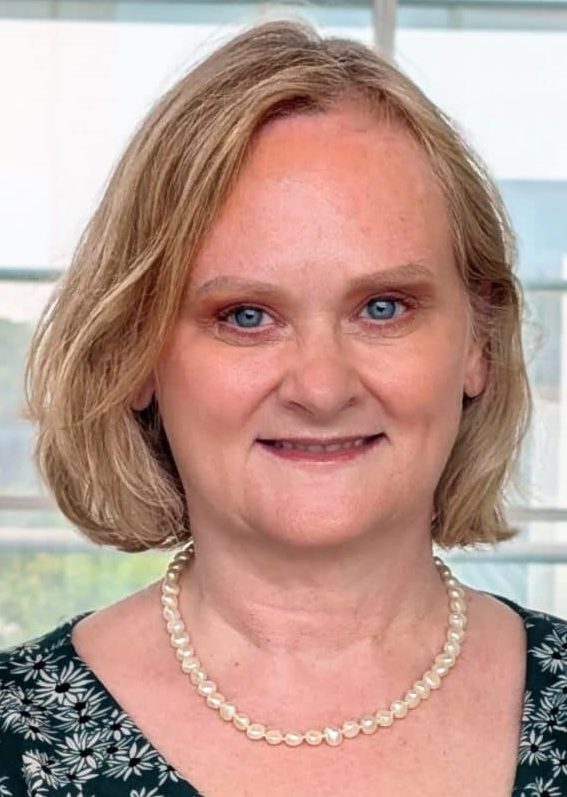 Therapeutic Potential of Vagus Nerve Stimulation for Autism-Related Social Dysfunction
Melissa Krauth, MS
University of Texas at Dallas
Young investigator (PhD Candidate)
Social dysfunction is required for autism diagnosis. Here we expand on promising results showing the FDA-approved therapy vagus nerve stimulation (VNS) improves social function in a rat model of autism. We will confirm robustness of this finding in a fully powered study in both male and female autism model animals using three different tests of social behavior: social interaction, social novelty, and ultrasonic vocalizations. We will apply machine learning techniques to more deeply understand social behaviors. Furthermore, we will explore the mechanism through which VNS improves sociability. We hypothesize that VNS modulates inhibitory drive in socially relevant brain regions, an emerging mechanism of autism-related social dysfunction. Deepening our understanding of this mechanism will help optimize VNS clinical delivery and pave the way to identify other therapies for social dysfunction operating with this mechanism.