For more than 20 years, researchers have been studying TMS as a potential therapy for a number of neurological and psychiatric conditions. Listen as Dr. Lindsay Oberman, Co-Investigator & Associate Director of Clinical Research of the Rhode Island Consortium for Autism Research and Treatment (RI-CART) shares this presentation on the latest research findings and updates on Transcranial Magnetic Stimulation and ASD.
Take the knowledge quiz
Can’t see the quiz below? Take it online HERE
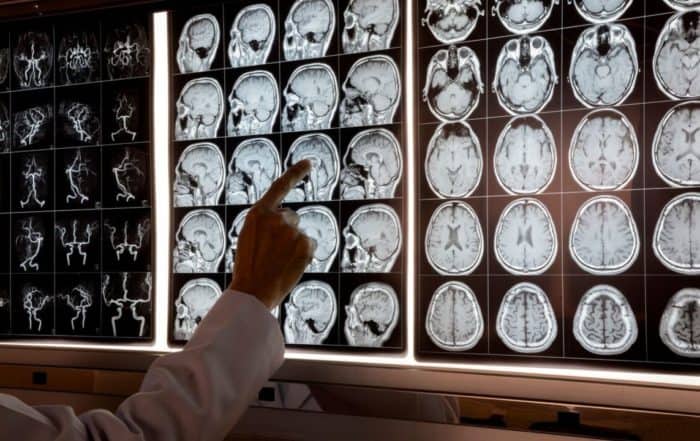
Improving Clinical Understanding of Autism
James McPartland, Ph.D., discusses current limitations in autism diagnosis and treatment, noting their reliance on behavioral observations despite the condition's genetic and neurological underpinnings. He advocates integrating biomarkers as objective, measurable biological
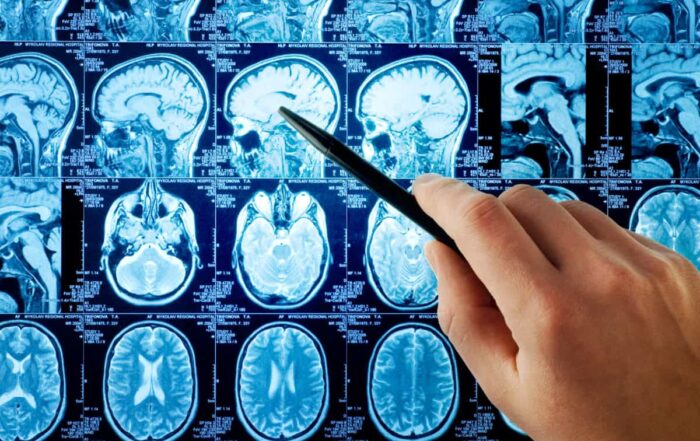
Editorial- Autism and the brain: the vital contribution of postmortem research
Autism Spectrum Disorder (ASD) is a neurodevelopmental condition that affects approximately 1% of the global population. It presents in diverse ways, but the core features typically include challenges with social
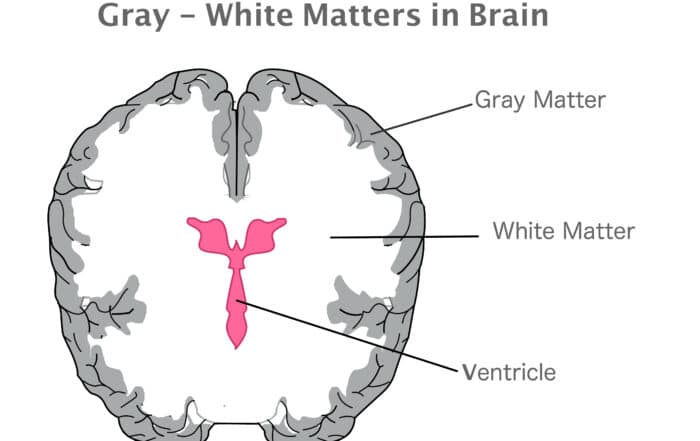
White Matter Development and Language in Autism
Tyler McFayden, Ph.D., considers the intersection of white matter development and language in autism. She discusses language modality and considers how white matter may help predict autism diagnosis and inform interventions.
Biomarkers start telling us a story: Autism pathophysiology revisited
This is a joint presentation with the World Autism Organisation. Antonio Persico, MD, a recent ARI Research Grant recipient, explores the role of biomarkers in understanding autism pathophysiology. He

Behavioral and Brain Signatures of Autism in Females
Kaustubh Supekar, Ph.D., examines recent findings about gender/sex differences in autism phenotypes and brain organization. He highlights the underrepresentation of females in autism and underscores the need for a large-scale science approach. The

Editorial – Setting Priorities for Autism Research
Autism organizations, individuals with autism spectrum disorders (ASD), and parents have differing views on how best to proceed with autism research. However, nearly all of us can agree that the progress