Free webinar at 1:00 p.m. Eastern time (US), May 27, 2026
Dr. Daniel Vogt, Ph.D., will discuss his current research on monogenic syndromes and what they can tell us about the underlying causes of autism.
Research Updates: What Can Monogenic Syndromes Tell Us About the Underlying Causes of Autism?
About the speaker:

Dr. Daniel Vogt, PhD, is an Assistant Professor in the College of Human Medicine’s Department of Pediatrics and Human Development. Dr. Vogt’s lab is investigating the molecular and cellular mechanisms underlying autism. The lab is particularly interested in understanding how genes implicated in autism are functioning in the brain and how mutations in these genes lead to symptoms of autism and related conditions. One hypothesis is that some characteristics of autism are caused by an imbalance in neuronal excitation and inhibition. To this end, Dr. Vogt’s lab is focusing on understanding how inhibitory neurons develop and function. In addition, the lab seeks to understand how mutations discovered in autism genes alter their function.
Dr. Vogt’s research has elucidated how key developmental genes influence inhibitory neuron development. In particular, his research was important in uncovering how the gene, Lhx6, a transcription factor required for inhibitory neuron development, controls the cell fate of inhibitory neurons derived from the median ganglionic eminence (MGE) (Neuron, 2014). Dr. Vogt also developed an in vivo approach to assess the impact that human mutations discovered in autism patients have on gene function. This approach was tested with the autism candidate gene, PTEN, and demonstrated that mutations in PTEN resulted in defects in inhibitory neuron development (Cell Reports. 2015). The lab’s goal is to continue to screen mutations in genes implicated in autism to uncover both common and unique symptoms that are caused by genes. Finally, the lab seeks to combine the knowledge gained from the screening of mutations and the knowledge from studying individual genes to uncover new insights into inhibitory neuron development.

Emerging Research on Autism Rates and Covid
Free webinar at 1:00 p.m. Eastern time (US), April 22, 2026 Tune in to hear about the Columbia University COVID-19 Mother Baby Outcomes Initiative (COMBO), which resulted in the first report demonstrating that

Understanding Autism through the Lens of Sensorimotor Features and Early-Developing Brain Regions
Sensorimotor differences are commonly reported in autistic individuals. However, the daily-life impact and neurobiological basis of motor differences are not clear. This talk will discuss sensorimotor differences commonly reported in
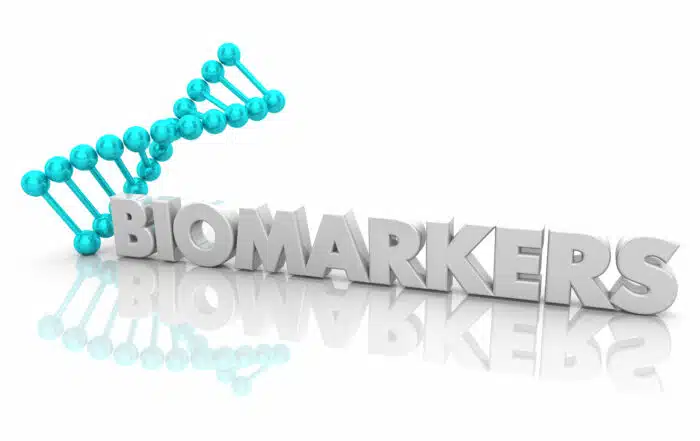
Towards the Development of a Diagnostic Test for Autism Spectrum Disorder: Data Science Meets Metabolomics
Hear Juergen Hahn, Ph.D., ARI Scientific Advisory Board member, discuss how using machine learning can lead to biomarker discoveries in autism research. Handouts are online HERE

How Genetics is Shaping the Field of Autism Research
Learn about how research on genetic influences is shaping our understanding of autism. About the speaker: M. Pilar Trelles, MD, is a licensed and

Disparities in Autism Ascertainment in Black Children
Handouts are available HERE You can access the ongoing study Dr. Dickerson discusses during the Q&A HERE Learn about disparities in autism ascertainment in Black children and accessible treatment models

Nutrition Research Updates: Five Underappreciated Nutrients that Neurodivergent Kids May Be Missing
Vicki Kobliner, MS, RDN, reviews current nutrition research and shares practical strategies to support the health of neurodivergent children.Handouts are online HERE About the speaker: