This presentation discusses what Bear POWER is, how it benefits college students, and the process of admission. We will also share what skills/strategies students need to be successful in college. Finally, we will share how partnerships have been forged within the campus, community, and across states. When agencies, school personnel, campus staff/faculty, and individuals work together, there is a positive outcome for IDD students. This session would be beneficial for middle to high school administrators, counselors, special education staff, and other people working with people who have disabilities. Missouri State University’s Bear POWER (Promoting Opportunities for Work, Education and Resilience) program has 4 pillars: Academic, Social, Independent Living, and Job Readiness. Our program is a five-semester inclusive college program for students with intellectual and developmental disabilities. It is a recognized Comprehensive Transition Program (CTP) by the United States Department of Education.
Printable handouts are online HERE
About the speaker:
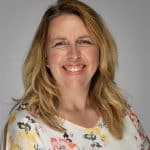
Dr. April A. Phillips received her Early Childhood Education B.S. degree in 2006 from Missouri State University, a M.S. degree in Educational Leadership and Policy Analysis in 2012, and a Doctorate degree in Educational Leadership and Policy Analysis in April 2021, both from the University of Missouri-Columbia. She began her public education career teaching preschool and then transitioned to special education while at the Kirbyville R-6 School District. Since then, she has taught special education at all grade levels, was a Process Coordinator, and a Special Education Director. Dr. Phillips has had the opportunity to work with students of all ability levels and help families find resources. She finds that working with agencies, educators, parents, and other stakeholders to help students maximize their potential has been rewarding. But the most rewarding moments have been when students find their talents, learn self-confidence, and utilize the skills/strategies that have been taught.
Take the knowledge quiz
Can’t see the quiz below? Take it online HERE
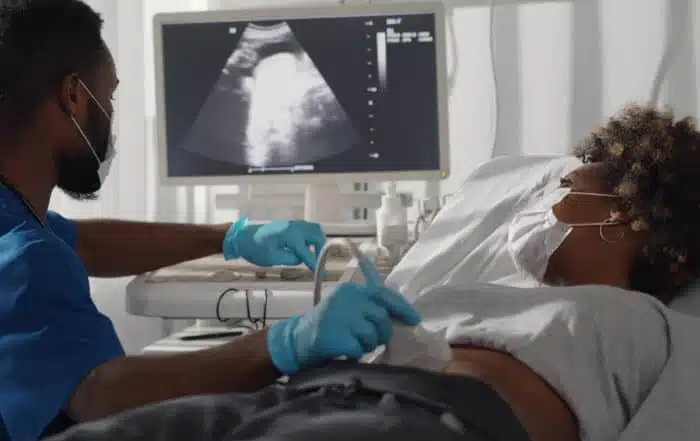
Emerging Research on Autism Rates and Covid
Free webinar at 1:00 p.m. Eastern time (US), April 22, 2026 Tune in to hear about the Columbia University COVID-19 Mother Baby Outcomes Initiative (COMBO), which resulted in the first report demonstrating that
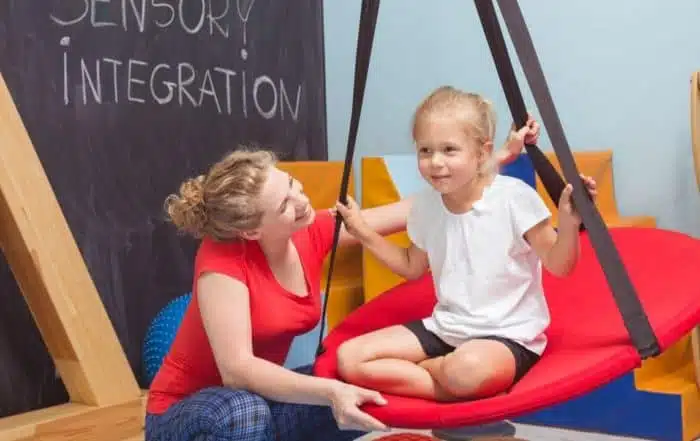
Understanding Autism through the Lens of Sensorimotor Features and Early-Developing Brain Regions
Sensorimotor differences are commonly reported in autistic individuals. However, the daily-life impact and neurobiological basis of motor differences are not clear. This talk will discuss sensorimotor differences commonly reported in
Towards the Development of a Diagnostic Test for Autism Spectrum Disorder: Data Science Meets Metabolomics
Hear Juergen Hahn, Ph.D., ARI Scientific Advisory Board member, discuss how using machine learning can lead to biomarker discoveries in autism research. Handouts are online HERE

How Genetics is Shaping the Field of Autism Research
Learn about how research on genetic influences is shaping our understanding of autism. About the speaker: M. Pilar Trelles, MD, is a licensed and

Disparities in Autism Ascertainment in Black Children
Handouts are available HERE You can access the ongoing study Dr. Dickerson discusses during the Q&A HERE Learn about disparities in autism ascertainment in Black children and accessible treatment models

Nutrition Research Updates: Five Underappreciated Nutrients that Neurodivergent Kids May Be Missing
Vicki Kobliner, MS, RDN, reviews current nutrition research and shares practical strategies to support the health of neurodivergent children.Handouts are online HERE About the speaker: