

https://autisticdoctorsinternational.com/
Autistic doctors have unique insights to offer on autistic experience, autistic wellbeing and healthcare.
Including a mixture of research data and personal experience, this presentation will explore the joys and challenges of being openly autistic in an ableist medical profession, the barriers autistic people experience accessing healthcare and one potential solution developed by autistic doctors – the Autistic SPACE framework.
Insights from autistic psychiatrists will shine a light on what it means to be autistic, the challenge of recognising and sharing one’s autistic identity, and will point to the pivotal role of shame in navigating this experience. Being an openly autistic doctor brings a tension between appearing “autistic enough” to be taken seriously as autistic and “professional enough” to be taken seriously as a doctor, yet embracing this challenge allows us to leverage our insider perspectives for the benefit of our community and help ensure that autistic kids can grow up confidently autistic rather than steeped in shame.
Content warning: This presentation will cover topics including mental health, stigma and shame which can be emotionally difficult for some viewers.
Originally published September 3, 2025
About the speaker:
Emerging Research on Autism Rates and Covid
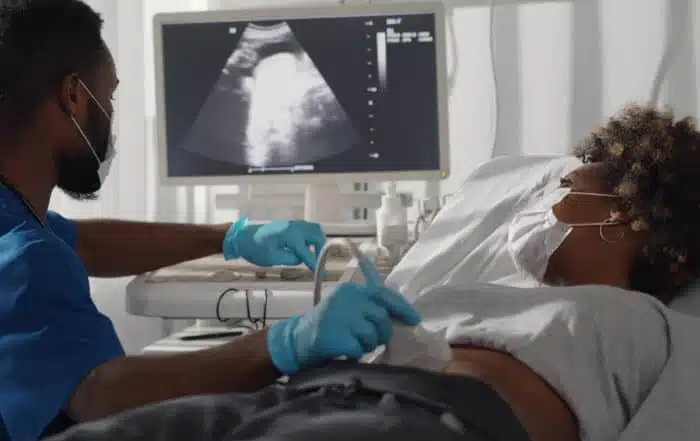
Free webinar at 1:00 p.m. Eastern time (US), April 22, 2026 Tune in to hear about the Columbia University COVID-19 Mother Baby Outcomes Initiative (COMBO), which resulted in the first report demonstrating that

Understanding Autism through the Lens of Sensorimotor Features and Early-Developing Brain Regions
Sensorimotor differences are commonly reported in autistic individuals. However, the daily-life impact and neurobiological basis of motor differences are not clear. This talk will discuss sensorimotor differences commonly reported in
Towards the Development of a Diagnostic Test for Autism Spectrum Disorder: Data Science Meets Metabolomics
Hear Juergen Hahn, Ph.D., ARI Scientific Advisory Board member, discuss how using machine learning can lead to biomarker discoveries in autism research. Handouts are online HERE

How Genetics is Shaping the Field of Autism Research
Learn about how research on genetic influences is shaping our understanding of autism. About the speaker: M. Pilar Trelles, MD, is a licensed and

Disparities in Autism Ascertainment in Black Children
Handouts are available HERE You can access the ongoing study Dr. Dickerson discusses during the Q&A HERE Learn about disparities in autism ascertainment in Black children and accessible treatment models

Nutrition Research Updates: Five Underappreciated Nutrients that Neurodivergent Kids May Be Missing
Vicki Kobliner, MS, RDN, reviews current nutrition research and shares practical strategies to support the health of neurodivergent children.Handouts are online HERE About the speaker: