This webinar:
- Describes scientific barriers to progress in developing laboratory-based diagnostic tests and new medications for patients with autism spectrum disorder
- Determines the relative scientific merits of published findings from animal models of autism spectrum disorder by assessing their face and construct validity to the human disorder.
- Provides detailed scientific information on the biology of social deficits with an emphasis on vasopressin and oxytocin signaling pathways and biologically informed treatment trials in patients with autism.
Autism is currently diagnosed behaviorally because its pathophysiology remains poorly understood. Consequently, there are no laboratory-based diagnostic tests to detect autism and no disease-modifying medications that effectively treat its core behavioral features. The capability of rapidly detecting autism based on neurochemical markers, however, would revolutionize autism detection, enable more timely behavioral intervention, and provide targets for pharmacological treatment. To address these urgent unmet needs, we developed a translational autism research platform, spanning studies of naturally low-social rhesus monkeys to children with autism. Converging evidence from this body of research indicates that the neuropeptide vasopressin plays a critical and conserved role in regulating social abilities, and that brain vasopressin (but not oxytocin) signaling is impaired in low-social monkeys, children with autism, and newborn infants before the period when autism first manifests. On the basis of this compelling evidence, we conducted a double-blind, randomized, placebo-controlled pilot trial. We found that intranasal vasopressin treatment is well tolerated and significantly improves social abilities in children with autism. These findings suggest that a neurochemical marker of impaired social functioning may be present very early in life, before behavioral symptoms emerge, and that the vasopressin signaling pathway may hold diagnostic and therapeutic promise for autism.
About the speaker:

Karen J. Parker, PhD is the inaugural Truong-Tan Broadcom Endowed Professor and Associate Chair of the Department of Psychiatry and Behavioral Sciences at Stanford University, where she leads the Major Laboratories Steering Committee and directs the Social Neurosciences Research Program. She is also an Affiliate Scientist at the California National Primate Research Center and a Fellow of the American College of Neuropsychopharmacology (ACNP). Dr. Parker received her undergraduate and graduate degrees from the University of Michigan. She completed postdoctoral training at Stanford University and joined the Stanford faculty thereafter. The principal goal of her research program is to better understand the biology of social functioning across a range of species, and to translate these fundamental insights to drive diagnostic and treatment advances for patients with social impairments, with a core focus on autism spectrum disorder. Dr. Parker’s research has been supported by the NIH, Simons Foundation, and Department of Defense, published in leading scientific journals (e.g., Science Translational Medicine, PNAS, Molecular Psychiatry), and featured across diverse media outlets (e.g., Huberman Lab podcast, NPR, CBS, New York Times, LA Times, Science, Scientific American). She has attended key opinion leader meetings at the U.S. National Academies and NIH, and held leadership roles on international research and ethics advisory committees for the Society for Neuroscience and ACNP. Dr. Parker currently lives in the San Francisco Bay Area with her husband, three children, and two Australian shepherds.
Take the knowledge quiz
Can’t see the quiz below? Take it online HERE
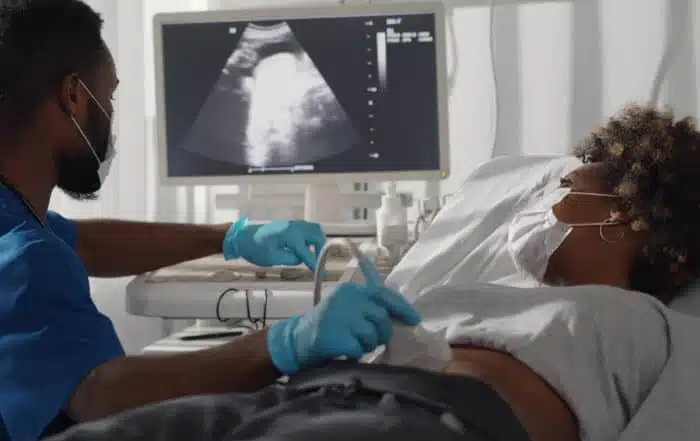
Emerging Research on Autism Rates and Covid
Free webinar at 1:00 p.m. Eastern time (US), April 22, 2026 Tune in to hear about the Columbia University COVID-19 Mother Baby Outcomes Initiative (COMBO), which resulted in the first report demonstrating that
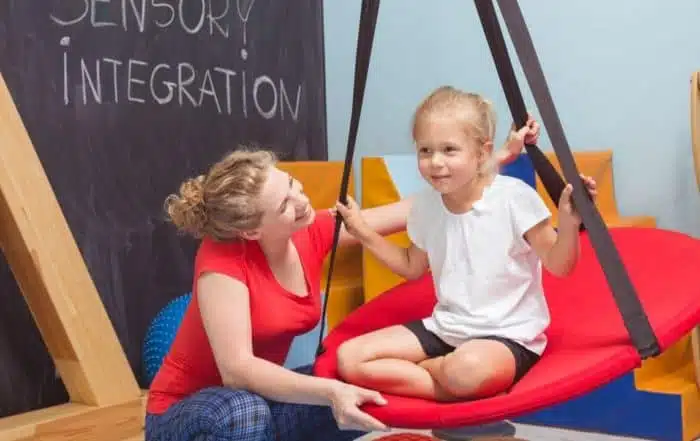
Understanding Autism through the Lens of Sensorimotor Features and Early-Developing Brain Regions
Sensorimotor differences are commonly reported in autistic individuals. However, the daily-life impact and neurobiological basis of motor differences are not clear. This talk will discuss sensorimotor differences commonly reported in
Towards the Development of a Diagnostic Test for Autism Spectrum Disorder: Data Science Meets Metabolomics
Hear Juergen Hahn, Ph.D., ARI Scientific Advisory Board member, discuss how using machine learning can lead to biomarker discoveries in autism research. Handouts are online HERE
How Genetics is Shaping the Field of Autism Research
Learn about how research on genetic influences is shaping our understanding of autism. About the speaker: M. Pilar Trelles, MD, is a licensed and

Disparities in Autism Ascertainment in Black Children
Handouts are available HERE You can access the ongoing study Dr. Dickerson discusses during the Q&A HERE Learn about disparities in autism ascertainment in Black children and accessible treatment models

Nutrition Research Updates: Five Underappreciated Nutrients that Neurodivergent Kids May Be Missing
Vicki Kobliner, MS, RDN, reviews current nutrition research and shares practical strategies to support the health of neurodivergent children.Handouts are online HERE About the speaker: