Handouts are online – View handouts.pdf
Published: 06/03/2013
Reymundo Lozano, M.D., Ph.D. Dr. Lozano is a Pediatric Geneticist, who has dedicated his research to better understanding the molecular basis of genetic disorders associated with intellectual disabilities and autism spectrum disorders (ASD). He is an International Medical Graduate from Mexico and completed his subspecialty studies at UCLA. He specializes in the treatment of neurodevelopmental genetic syndromes including fragile X syndrome (FXS), Angelman syndrome, 15q duplication syndrome, 22q11 microdeletion syndrome, and Noonan syndrome and other RASopathies. His work focuses on different clinical trials for ASD and FXS. Dr. Lozano is dedicated to finding better treatments and eventually the cure for neurodevelopmental disorders. He is also studying the phenotypic variability of fragile X premutation carries and the additive effects of other “genetic hits” and environmental exposures. He pursues the genetic diagnosis of ASD, using cutting edge technology, including microarrays, mitochondrial function, and whole exome sequencing. Dr. Lozano is an advocate for minority participation in clinical trials and his goal is to provide the necessary information to enhance enrollment and retention of minority participants. He is involved in identifying the linguistic and systemic barriers to early diagnosis and intervention commonly found in Hispanic children with ID and ASD. He is also interested in increasing diversity among medical students and faculty members at UC Davis.
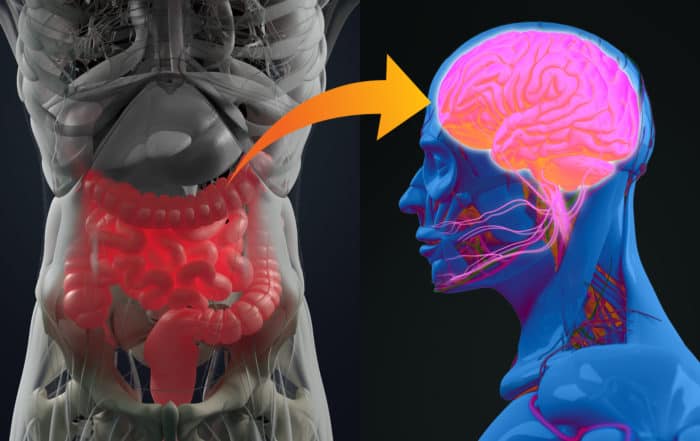
2026 Research Updates: GI Symptoms & Behavior
Free webinar at 1:00 p.m. Eastern time (US), December 2, 2026 Dr. Bradley Ferguson, PhD, a 2024 research grant recipient, will share emerging research on the interaction of GI symptoms and behavior in autism.

Research Updates: Gastrointestinal Issues and Autism
Free webinar at 1:00 p.m. Eastern time (US), July 29, 2026 Harland Winter, MD, will discuss his research on gastrointestinal conditions in individuals with autism. Dr. Winter is an active investigator and educator
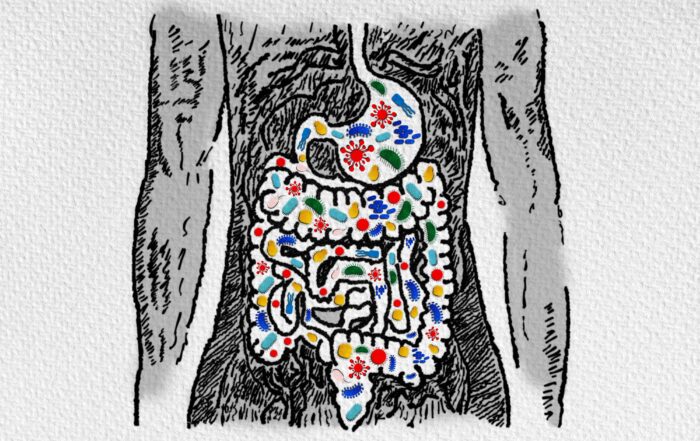
Research Updates: Microbiome Research and Autism
Free webinar at 1:00 p.m. Eastern time (US), May 20, 2026 Rosa Krajmalnik-Brown, Ph.D., will discuss her research on gut microbiota in individuals with autism who have gastrointestinal (GI) problems. She will share

Emerging Research on Autism Rates and Covid
Free webinar at 1:00 p.m. Eastern time (US), April 22, 2026 Tune in to hear about the Columbia University COVID-19 Mother Baby Outcomes Initiative (COMBO), which resulted in the first report demonstrating that
Gene Therapy for Mutations in the IQSEC2 Gene
The IQSEC2 protein is a guanine nucleotide exchange factor for Arf6. Pathogenic variants in the X-linked IQSEC2 gene are associated with drug-resistant epilepsy, severe intellectual disability, and autism. The vast

EMDR Therapy and Autism
Presentation Handout available HERE Amanda Tami, LPC, BCBA, talks about Eye Movement Desensitization and Reprocessing (EMDR) therapy and its use for autistic individuals. She discusses how traumatic memories can