

Presented by Ruth Elaine Hane and Margaret Creedon, PhD at the Fall 2012 Autism Research Institute Conference.
Please Note: This presentation is over a decade old. Some data and theories may be outdated. We keep this and other older presentations available to demonstrate the evolution of autism understanding and care, and to ensure that autistic voices from the past continue to be heard.
Brief Overview:
- Core Issue & Learning: Processing faces and understanding emotional changes are key characteristics of autism. The speakers propose that improved eye contact and face processing can be learned through structured intervention, contrary to past medical beliefs.
- Prosopagnosia (Face Blindness): Speaker Ruth Elaine shared her personal experience with prosopagnosia (the inability to process and remember faces) and a lack of central vision development, which meant she saw her mother’s face as “blank”.
- The H Face Window: Ruth Elaine developed the H Face Window as a physical product—a structure placed over the face when talking—to provide a dual system of structure for creating a systematic way of viewing and processing the face.
- Sensory and Early Life Trauma: Ruth Elaine was born under highly stressful circumstances (mother’s illness, Rubella measles, severe snowstorm) and experienced overly sensitive sensory systems, incessant crying, and tactile difficulties.
- Coping Strategies: Ruth Elaine developed various self-soothing and coping strategies, including seeking proprioceptive comfort by sleeping under a feather tick (like a weighted blanket) and recognizing people by the clothing they wore (e.g., her mother’s apron).
- Self-Correction Techniques: As an adult, to overcome her face blindness, Ruth Elaine practiced intensely for a year, including wearing a paper bag over her head with cutout holes to reduce her visual field. This exercise, based on advice from a specialist she met as a child, finally enabled her to see and begin to remember her own face.
- Eye-Tracking Differences: Research shows that neurotypical individuals typically look at a face in a triangle pattern (eyes, nose, mouth), while the autistic group often shows confused, scribbling, or stuck patterns (e.g., focused solely on the nose or one side), preventing them from capturing the full facial image.
- Sensory Overload: For a child with autism, eye-to-eye contact can trigger sensory overload, causing the brain’s amygdala to initiate a fight-or-flight response, which leads to increased heart rate and the instinct to back up and escape.
- Prevalence: Developmental face blindness is estimated to affect about 2% of the general population, and some degree of it is hypothesized to exist among all persons on the spectrum, potentially leading to impaired social development.
- Depth Perception Factor: Studies suggest that challenges with depth perception may be a factor, as some autistic viewers were able to recognize flat pictures of their mothers but not their real, three-dimensional faces.
Published: 12/05/2012
 Ms. Hane, a health consultant, was born with Infantile Autism. Defying a prediction of intellectual disability in grade school, she graduated Phi Beta Kappa, magna cum laude with a B.S. in human ecology. She overcame Prosopagnosia (face blindness) inventing the Hane Face Window® based on structural learning. Ruth Elaine was recently the Midwest Director for the Autism Society of America. She is a contributing author to Sharing Our Wisdom, and Ask and Tell, plus numerous articles about autism. She is the owner of owner of Chi Field Healthcare Minneapolis, MN.
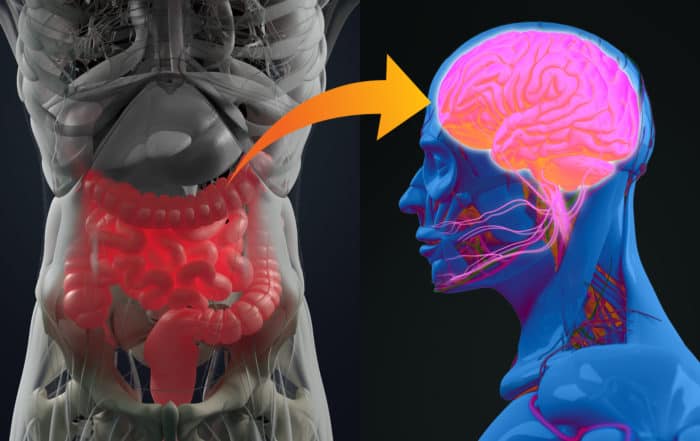
2026 Research Updates: GI Symptoms & Behavior
Free webinar at 1:00 p.m. Eastern time (US), December 2, 2026 Dr. Bradley Ferguson, PhD, a 2024 research grant recipient, will share emerging research on the interaction of GI symptoms and behavior in autism.

Research Updates: Gastrointestinal Issues and Autism
Free webinar at 1:00 p.m. Eastern time (US), July 29, 2026 Harland Winter, MD, will discuss his research on gastrointestinal conditions in individuals with autism. Dr. Winter is an active investigator and educator
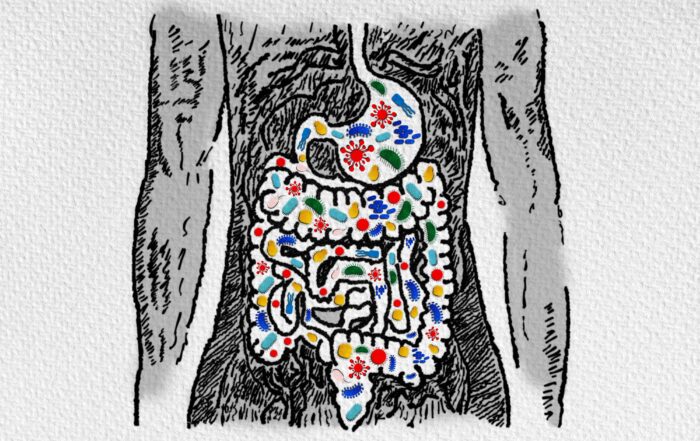
Research Updates: Microbiome Research and Autism
Free webinar at 1:00 p.m. Eastern time (US), May 20, 2026 Rosa Krajmalnik-Brown, Ph.D., will discuss her research on gut microbiota in individuals with autism who have gastrointestinal (GI) problems. She will share
Emerging Research on Autism Rates and Covid
Free webinar at 1:00 p.m. Eastern time (US), April 22, 2026 Tune in to hear about the Columbia University COVID-19 Mother Baby Outcomes Initiative (COMBO), which resulted in the first report demonstrating that
Gene Therapy for Mutations in the IQSEC2 Gene
The IQSEC2 protein is a guanine nucleotide exchange factor for Arf6. Pathogenic variants in the X-linked IQSEC2 gene are associated with drug-resistant epilepsy, severe intellectual disability, and autism. The vast

EMDR Therapy and Autism
Presentation Handout available HERE Amanda Tami, LPC, BCBA, talks about Eye Movement Desensitization and Reprocessing (EMDR) therapy and its use for autistic individuals. She discusses how traumatic memories can