Free webinar at 1:00 p.m. Eastern time (US), May 13, 2026
Recent data support a model in which altered zinc biology may act as a modifiable risk factor within a gene–environment interaction framework in Autism spectrum disorders (ASD). Disrupted zinc homeostasis may be a key mechanistic contributor to ASD pathophysiology, and it is mimicked to some extent by other risk factors. This talk critically evaluates the hypothesis that ASD reflects a developmental zinc deficiency at the molecular and synaptic levels. The presentation will integrate molecular, genetic, nutritional, and translational evidence and address inconsistencies and methodological limitations in the field.
Nutritional Neurobiology of Autism: Revisiting the Zinc Hypothesis
About the speaker:

Dr. Andreas Grabrucker received his MSc in Biology, majoring in Genetics, from the Technical University of Munich (TUM), Germany, in 2005. He then earned his PhD in Molecular Medicine from Ulm University, Germany, in 2009. Following this, he continued his research at the Stanford University Department of Psychiatry and Behavioral Sciences in the United States. In 2011, he returned to Germany to serve as an Assistant Professor and Executive Director of the Neurocenter at Ulm University.
By 2017, he joined the Department of Biological Sciences at the University of Limerick as an Associate Professor. Since 2020, he has also held the position of Lead of the Bio Materials Research Cluster at the Bernal Institute, and since 2024, he has been a Professor in the same department. In 2019, Dr. Grabrucker was awarded a guest professorship at the University of Modena and Reggio Emilia, Italy.
Since 2009, he has published over 100 peer-reviewed articles and more than 14 book chapters, accumulating over 5000 citations. Notably, he is the author of the first textbook detailing the role of biometals in Autism Spectrum Disorders. His research focuses on translational neuroscience, where he develops model systems to understand the processes of cell, tissue, and organ development and function. He also investigates the effects of altered trace metal biology and works on developing nanocarriers for targeted drug and metal delivery into the brain.
Dr. Grabrucker is a 2022 ARI Research Grant recipient.
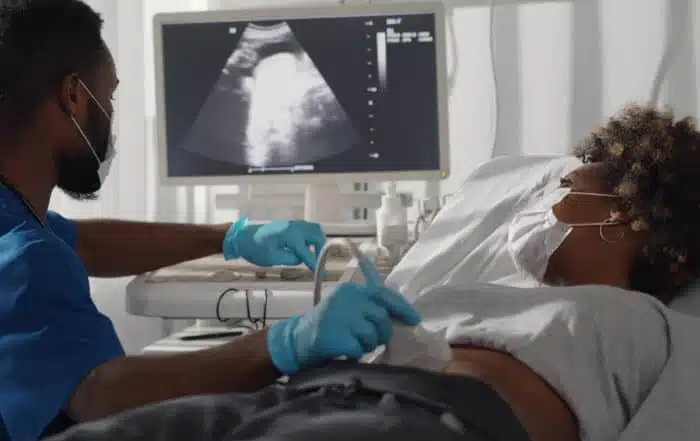
Emerging Research on Autism Rates and Covid
Free webinar at 1:00 p.m. Eastern time (US), April 22, 2026 Tune in to hear about the Columbia University COVID-19 Mother Baby Outcomes Initiative (COMBO), which resulted in the first report demonstrating that

Understanding Autism through the Lens of Sensorimotor Features and Early-Developing Brain Regions
Sensorimotor differences are commonly reported in autistic individuals. However, the daily-life impact and neurobiological basis of motor differences are not clear. This talk will discuss sensorimotor differences commonly reported in
Towards the Development of a Diagnostic Test for Autism Spectrum Disorder: Data Science Meets Metabolomics
Hear Juergen Hahn, Ph.D., ARI Scientific Advisory Board member, discuss how using machine learning can lead to biomarker discoveries in autism research. Handouts are online HERE
How Genetics is Shaping the Field of Autism Research
Learn about how research on genetic influences is shaping our understanding of autism. About the speaker: M. Pilar Trelles, MD, is a licensed and

Disparities in Autism Ascertainment in Black Children
Handouts are available HERE You can access the ongoing study Dr. Dickerson discusses during the Q&A HERE Learn about disparities in autism ascertainment in Black children and accessible treatment models
Nutrition Research Updates: Five Underappreciated Nutrients that Neurodivergent Kids May Be Missing
Vicki Kobliner, MS, RDN, reviews current nutrition research and shares practical strategies to support the health of neurodivergent children.Handouts are online HERE About the speaker: