
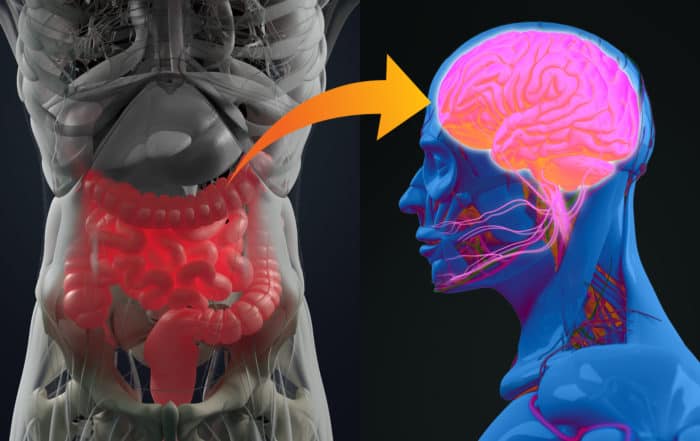
10/2/2019 – A study from the University of Missouri adds to evidence that behavior problems in children with autism spectrum disorders (ASD) can be an indication of gastrointestinal (GI) distress.
Bradley Ferguson and colleagues analyzed records from 340 children and adolescents with ASD. The researchers found that 65% of the individuals experienced constipation, nearly half experienced stomach pain, nearly 30% experienced diarrhea, and 23% experienced nausea. They also detected an association between some GI problems and behavioral issues such as anxiety and aggression.
Ferguson comments, “We are starting to better understand how gastrointestinal issues coincide with problem behaviors in ASD. For example, we found that individuals with autism and co-occurring nausea were about 11% more likely to display aggressive behaviors. Therefore, addressing the nausea might alleviate the aggressive behaviors which will ultimately increase the quality of life for the patient as well as their family.”
The researchers also discovered differences between younger and older children with ASD. For instance, aggressive behavior in very young children was associated with upper GI issues such as nausea and stomach pains, while anxiety in older children and teens was associated with lower GI issues such as constipation and diarrhea.
Ferguson says, “These findings further highlight the importance of treating gastrointestinal issues in autism. Many children and adolescents with autism spectrum disorder are often unable to verbally communicate their discomfort, which can lead to problem behavior as a means of communicating their discomfort.”
This article also appears in Autism Research Review International, Vol. 33, No. 3, 2019
“The relationship among gastrointestinal symptoms, problem behaviors, and internalizing symptoms in children and adolescents with autism spectrum disorder,” Bradley J. Ferguson, Kristen Dovgan, Nicole Takahashi, and David Q. Beversdorf, Frontiers in Psychiatry, April 9, 2019 (free online). Email
—and—
“Problem behaviors could provide clues on health challenges for children, adolescents with autism,” news release, University of Missouri, June 27, 2019.
2026 Research Updates: GI Symptoms & Behavior
Free webinar at 1:00 p.m. Eastern time (US), December 2, 2026 Dr. Bradley Ferguson, PhD, a 2024 research grant recipient, will share emerging research on the interaction of GI symptoms and behavior in autism.

Research Updates: Gastrointestinal Issues and Autism
Free webinar at 1:00 p.m. Eastern time (US), July 29, 2026 Harland Winter, MD, will discuss his research on gastrointestinal conditions in individuals with autism. Dr. Winter is an active investigator and educator
Research Updates: Microbiome Research and Autism
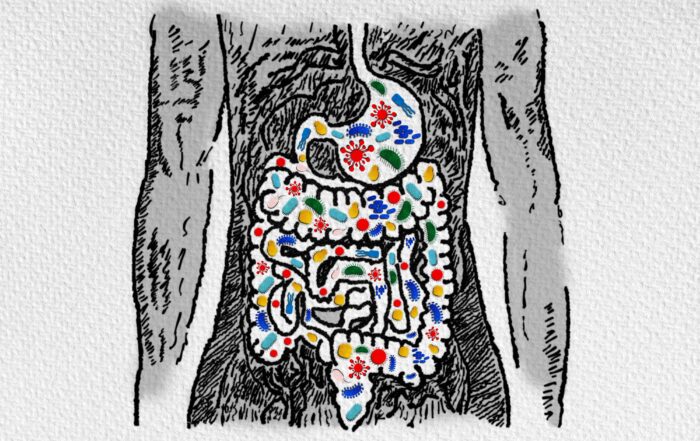
Free webinar at 1:00 p.m. Eastern time (US), May 20, 2026 Rosa Krajmalnik-Brown, Ph.D., will discuss her research on gut microbiota in individuals with autism who have gastrointestinal (GI) problems. She will share

Autism Psychopharmacology
Learn current perspectives on psychopharmacology and autism from Dr. M. Pilar Trelles, MD, of Boston Children's Hospital. Handouts are online HERE (PDF file size is 20 MB)

The autism-associated 16p11.2 microdeletion variant impacts the effects of microbiota disturbances on hippocampal development and behavior throughout the lifespan
Handouts are online HERE Approximately 17% of children are diagnosed with NDDs, including ASD, ADHD, and ID, which are highly heterogenous, frequently co-occur, and manifest in early life in sex-dependent fashion.
Autism and Gastrointestinal Comorbidities – Research Updates
Mojdeh Mostafavi, MD, describes gastrointestinal conditions commonly seen in individuals with autism, including gastroesophageal reflux disease (GERD), inflammatory bowel disease (IBD), Eosinophilic GI disease (EGID), avoidant/restrictive food intake disorder (ARFID), disorders of