Published: 06/08/2017
 Ms. Laake is a Licensed Nutritionist specializing for 40 years in complex medical nutrition issues affecting children and adults. An honors graduate from Temple University, she received her Master of Science in nutrition from the University of Maryland. She has served as a health issues Legislative Assistant and received four Gubernatorial appointments to two health care regulatory boards. Dana is an autism educator, hosts a healthy living radio show, and is co-author of The Kid-Friendly ADHD & Autism Cookbook – The Ultimate Guide to the Gluten-free Casein-free Diet.
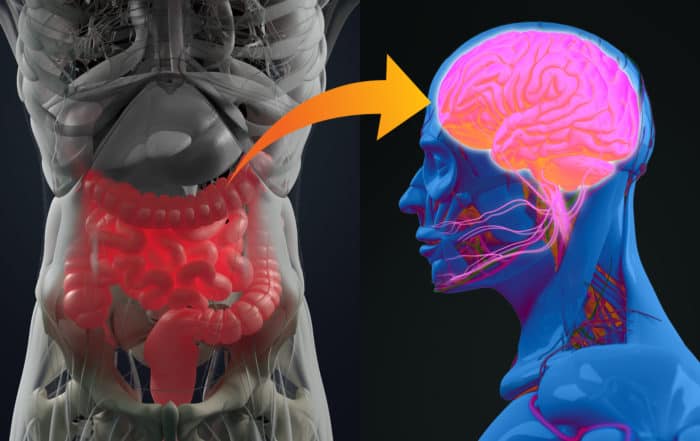
2026 Research Updates: GI Symptoms & Behavior
Free webinar at 1:00 p.m. Eastern time (US), December 2, 2026 Dr. Bradley Ferguson, PhD, a 2024 research grant recipient, will share emerging research on the interaction of GI symptoms and behavior in autism.

Research Updates: Gastrointestinal Issues and Autism
Free webinar at 1:00 p.m. Eastern time (US), July 29, 2026 Harland Winter, MD, will discuss his research on gastrointestinal conditions in individuals with autism. Dr. Winter is an active investigator and educator
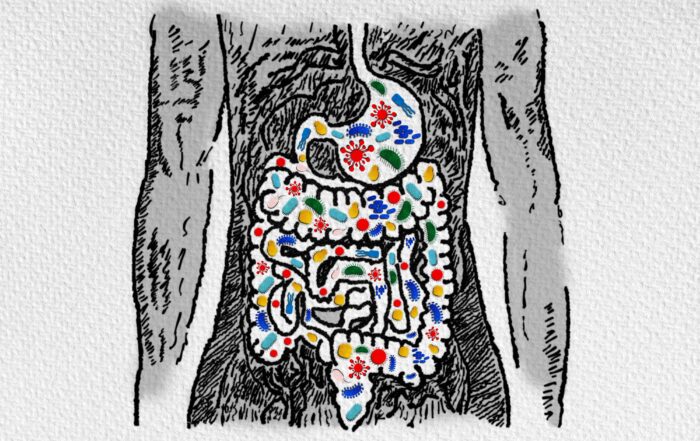
Research Updates: Microbiome Research and Autism
Free webinar at 1:00 p.m. Eastern time (US), May 20, 2026 Rosa Krajmalnik-Brown, Ph.D., will discuss her research on gut microbiota in individuals with autism who have gastrointestinal (GI) problems. She will share
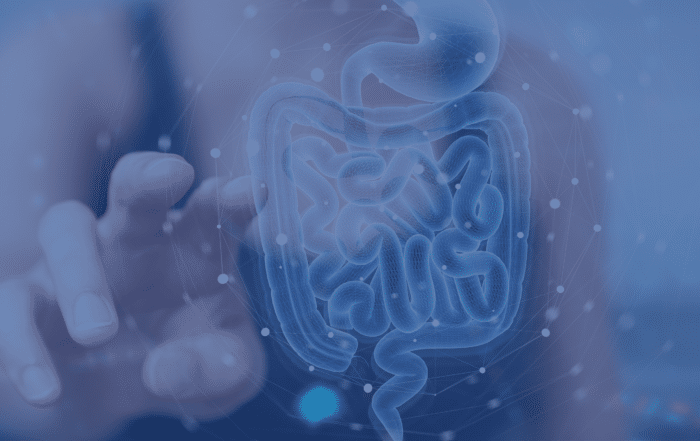
Autism and Gastrointestinal Comorbidities – Research Updates
Mojdeh Mostafavi, MD, describes gastrointestinal conditions commonly seen in individuals with autism, including gastroesophageal reflux disease (GERD), inflammatory bowel disease (IBD), Eosinophilic GI disease (EGID), avoidant/restrictive food intake disorder (ARFID), disorders of
Food Adverse Reaction and Intestinal Microbiota
This is a joint presentation by ARI and the World Autism Organisation. Professor Carmelo Rizzo, MD, discusses adverse reactions to food and the critical role of intestinal microbiota in

Co-Occurring Conditions and Autism
Research suggests that individuals with autism experience some conditions―including underlying medical issues, neurodevelopmental differences, and mental health issues―more frequently than the general population. Learning about these potential medical needs can help you