


This is a joint presentation by the World Autism Organisation and ARI.
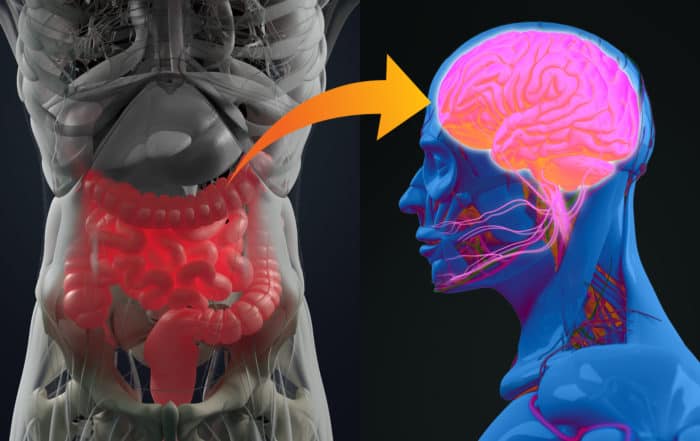
Frederico Balzola, MD, discusses the intersection of chronic inflammation, gastrointestinal issues, and autism. He considers intestinal permeability and how the microbiome interacts with the central nervous system to affect inflammation in the body. The speaker provides historical context for increased autoimmune and inflammatory diseases and highlights the relationship between GI discomfort/pain and behavioral outcomes. Balzola presents a longitudinal study on inflammatory disease pathogenesis and considers what the results mean for autism medical care moving forward. He summarizes the presentation and critical conclusions before the Q&A.
In this webinar:
4:00 – Disease origin and the gut
8:00 – Intestinal permeability
11:30 – Zonulin and the tight junction
15:40 – Societal changes and the gut
18:10 – Food systems, diet, hygiene, and antibiotics
25:00 – The microbiome and immune responses
30:15 – Fecal Microbiota Transfer therapy
34:00 – Gut inflammation in autism
37:15 – Behaviors and GI discomfort
42:00 – Longitudinal study on GI inflammation in autism
48:40 – Results and interpretation
50:15 – Environmental risks
54:55 – Summary and conclusion
1:02:11 – Q&A
Intestinal permeability
Balzola describes how the prevalence of autoimmune and inflammatory diseases has drastically increased over the last four decades. He asserts that this observation reaffirms Hippocrates’s theory that all diseases begin in the gut (4:00). Dr. Alessio Fasano said (5:50),
“The bowel is a battlefield where enemy and friends negotiate molecular trafficking leading to either tolerance or immune response. It is the largest interface between our body and the outside world.”
The speaker discusses the role of intestinal permeability in immune system function and how increased permeability can lead to chronic inflammation and allergies (8:00). Balzola outlines the structure of the gut lining and details the evolutionary history of the Tight Junction – a group of 150 proteins that regulate the paracellular trafficking pathway from the bowel to the blood vessels (11:30). Zonulin, the first component of the Tight Junction, appeared in humans 2 million years ago, and was a critical step in evolution as it allowed for regulation across the intestinal lining. The Zonulin gene is on chromosome 16 and has been implicated in diabetes, obesity, and several autoimmune diseases (13:50).
Societal changes and the gut
Balzola explains how drastic societal and environmental shifts over the last five decades have driven the increase in autoimmune and inflammatory diseases (15:40). He highlights changes in food systems and processing (18:10), diet and meal size (20:55), hygiene and bacterial exposure (22:35), and antibiotic use (24:05). Each of these changes directly impacts the composition of the microbiome and, therefore, the intestinal lining. Contemporary research shows the capacity of the microbiome to influence immune responses and its implication in liver disease, diabetes, autism, Ankylosing Spondylitis, and other inflammatory and autoimmune diseases (28:00). Researchers have also found specific imbalances in the gut that can upregulate Zonulin release, further suggesting that Zonulin is a trigger for inflammation due to its role in intestinal permeability (29:40).
Gastrointestinal issues in autism
The presenter describes differences in microbiota patterns between autistic and non-autistic individuals (30:15). He touches on fecal microbiota transfer therapy (FMT) and its potential as an effective treatment for gut microbial imbalances in autism and other chronic diseases (31:35). Signs of gut inflammation can be challenging to spot in autistic individuals due to differences in communication and sensory perceptions (34:00). Balzola notes that many autistic people have elevated pain thresholds and difficulties with verbal communication, underscoring the association between behavior and pain expression in autism (36:15). Behaviors commonly associated with gastrointestinal (GI) stress in autism include acid reflux, sleep disturbances, and self-injurious behaviors. The speaker describes possible sitting positions that may help to reduce stomach pain, and illustrates differences in school work outcomes according to levels of pain and inflammation (37:15).
Balzola outlines a longitudinal study with 1650 participants, where 339 autistic individuals had significant GI symptoms. He presents study participants’ initial family history and GI symptom information, noting that 46% had macroscopic malabsorption and 88% had behavioral disturbances after GI symptoms developed (42:00). GI lab examinations for the study included esophagus, stomach, colon, and rectum (44:30). One participant with inflammatory bowel disease and chronic excess of eosinophils (white blood cells) was treated with the FODMAP (fermentable oligosaccharides, disaccharides, monosaccharides, and polyols) diet. Results showed a reduction in constipation, abdominal pain, proctalgia, and tenesmus, as well as improvements in hyperactivity, motor skills, and mental attention (48:40). At the one-year follow-up, all symptoms were reduced. Researchers, therefore, conclude that there is a significant association between clinical manifestations and histological alterations, meaning that inflammation induces gastrointestinal diseases and their subsequent behaviors (49:21).
Review and conclusion
The speaker notes that the first 1000 days of life are crucial for clinical inflammatory disease and urges pediatricians to consider this. Environmental risks from pre-conception to postnatal impact inflammatory disease pathogenesis (50:15). He presents a case scenario for cumulative environmental risks, highlighting that the gut microbiome is the result of the sum of every risk and, as such, is very fragile at the beginning (52:30). He summarizes critical points from the presentation and how they translate to changes in perspective and care. Specifically, he urges viewers to consider autism as a multiorgan inflammatory disease and to assume the central nervous system plays a role in intestinal inflammation. He reminds viewers to consider pain thresholds in autistic patients with GI symptoms and to listen to the opinions and experiences of parents to gain a better understanding of autism complexities. Balzola also asserts the need for longitudinal approaches to investigation and medical care to predict and adequately address inflammatory or degenerative diseases (54:55). Most importantly, he continues, it is imperative that evolving information about inflammation in autism is transferred from research to the bedside (1:00:00). He notes Schopenhauer’s three stages of truth before opening to questions (1:01:22).
The speaker:
 Federico Balzola, MD, holds board certification in Gastroenterology and Digestive Endoscopy in 1994 in Italy at the Modena University School of Medicine. He attended medical school in the Turin University School of Medicine, graduated in 1989, where he then completed his gastroenterological residency. He was awarded a training from 1994 to 1995 at Royal Free Hospital in London on measles implication in inflammatory bowel disease as well as from 1995 to 1998 at the Clinical Nutrition Department of the Molinette Hospital of Turin on the small bowel syndrome management. Following his fellowship in Gastroenterology and Clinical Nutrition at the Molinette Hospital in Turin, he has been a consultant in the Gastroenterology and Hepatology Department since 1998 where he oversaw the gastrointestinal clinic and consultation service with a special interest in inflammatory bowel disease and liver/bowel transplantation. He is currently working in the Gastroenterology and Hepatology Intensive Care Unit of Azienda Ospedaliera Universitaria Città della Salute e della Scienza di Torino. He has numerous scientific publications in international medical journals and he presented in several international meetings his research results. At present, he maintains his practice in gastroenterological fields with a special research interest on autistic patients. He is driving several clinical research in Italy on the identification and treatment of the autistic enteropathy with dietetic and pharmacological approaches. He lives in Turin with his wife, Paola, and two daughters, Beatrice and Margherita.
Take the knowledge quiz
Can’t see the quiz below? Take it online HERE
2026 Research Updates: GI Symptoms & Behavior
Free webinar at 1:00 p.m. Eastern time (US), December 2, 2026 Dr. Bradley Ferguson, PhD, a 2024 research grant recipient, will share emerging research on the interaction of GI symptoms and behavior in autism.

Research Updates: Gastrointestinal Issues and Autism
Free webinar at 1:00 p.m. Eastern time (US), July 29, 2026 Harland Winter, MD, will discuss his research on gastrointestinal conditions in individuals with autism. Dr. Winter is an active investigator and educator
Research Updates: Microbiome Research and Autism
Free webinar at 1:00 p.m. Eastern time (US), May 20, 2026 Rosa Krajmalnik-Brown, Ph.D., will discuss her research on gut microbiota in individuals with autism who have gastrointestinal (GI) problems. She will share

The autism-associated 16p11.2 microdeletion variant impacts the effects of microbiota disturbances on hippocampal development and behavior throughout the lifespan
Handouts are online HERE Approximately 17% of children are diagnosed with NDDs, including ASD, ADHD, and ID, which are highly heterogenous, frequently co-occur, and manifest in early life in sex-dependent fashion.
Autism and Gastrointestinal Comorbidities – Research Updates
Mojdeh Mostafavi, MD, describes gastrointestinal conditions commonly seen in individuals with autism, including gastroesophageal reflux disease (GERD), inflammatory bowel disease (IBD), Eosinophilic GI disease (EGID), avoidant/restrictive food intake disorder (ARFID), disorders of
Food Adverse Reaction and Intestinal Microbiota
This is a joint presentation by ARI and the World Autism Organisation. Professor Carmelo Rizzo, MD, discusses adverse reactions to food and the critical role of intestinal microbiota in