The Collaborative Model for Promoting Competence and Success (COMPASS) is an evidence-based consultation framework designed to enhance outcomes for autistic children and youth by strengthening caregiver–teacher partnerships. Developed by Ruble and colleagues, COMPASS emphasizes individualized education planning, shared decision-making, and implementation support across home and school contexts. The model guides teams through structured goal setting, coaching, and progress monitoring aligned with the child’s strengths and needs and Individual Education Program. Empirical studies have shown that COMPASS improves intervention fidelity, child goal attainment, and collaborative engagement, making it a promising approach for bridging gaps between families and educators in autism support services.
Handouts of the slides are online HERE
Manuscript references (mentioned during the talk) are online HERE
About the speaker:
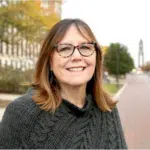
Dr. Lisa Ruble is the Earl F. Smith Distinguished Professor of Special Education and Autism at the Teachers College at Ball State University. Dr. Ruble teaches classes in autism and intervention. She is a past recipient of the New Investigator Award from NIMH. In 2002, Dr. Ruble established the STAR Program at the University of Louisville and, in 1998, helped establish TRIAD at Vanderbilt University. Her research program is based on these past experiences as a licensed psychologist, where she developed and provided social skills and behavioral interventions, school consultation and training, and parent training. These experiences influenced her interest in services research and the study of issues involved in the provision of evidence-based practices in community-based settings.
Take the knowledge quiz
You may take the quiz up to three times. You will be asked to enter a password – you can reuse from the past if you have taken tests previously or just enter a new one. You will be prompted to type it twice. Upon successful completion, you can print your certificate at the end of the quiz.
Can’t see the quiz below? Take it online HERE
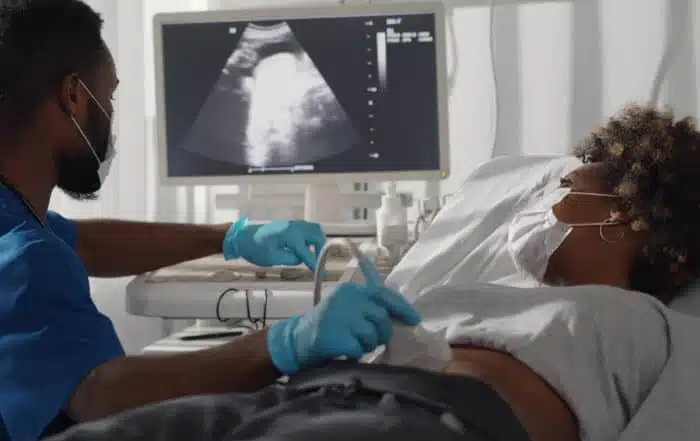
Emerging Research on Autism Rates and Covid
Free webinar at 1:00 p.m. Eastern time (US), April 22, 2026 Tune in to hear about the Columbia University COVID-19 Mother Baby Outcomes Initiative (COMBO), which resulted in the first report demonstrating that
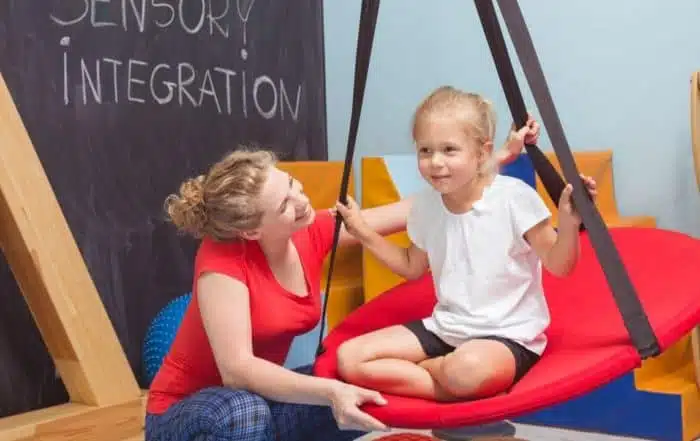
Understanding Autism through the Lens of Sensorimotor Features and Early-Developing Brain Regions
Sensorimotor differences are commonly reported in autistic individuals. However, the daily-life impact and neurobiological basis of motor differences are not clear. This talk will discuss sensorimotor differences commonly reported in
Towards the Development of a Diagnostic Test for Autism Spectrum Disorder: Data Science Meets Metabolomics
Hear Juergen Hahn, Ph.D., ARI Scientific Advisory Board member, discuss how using machine learning can lead to biomarker discoveries in autism research. Handouts are online HERE

How Genetics is Shaping the Field of Autism Research
Learn about how research on genetic influences is shaping our understanding of autism. About the speaker: M. Pilar Trelles, MD, is a licensed and

Disparities in Autism Ascertainment in Black Children
Handouts are available HERE You can access the ongoing study Dr. Dickerson discusses during the Q&A HERE Learn about disparities in autism ascertainment in Black children and accessible treatment models

Nutrition Research Updates: Five Underappreciated Nutrients that Neurodivergent Kids May Be Missing
Vicki Kobliner, MS, RDN, reviews current nutrition research and shares practical strategies to support the health of neurodivergent children.Handouts are online HERE About the speaker: