Handouts are online at: https://www.ariconference.com/webinars/margolis.pdf
Free certificates of participation are available online following successful completion of a brief knowledge quiz at: https://www.classmarker.com/online-test/login/
Kara Gross Margolis is a pediatric gastroenterologist whose clinical subspecialty is gastrointestinal problems in children with autism. She completed her fellowship in Pediatric Gastroenterology at Children’s Hospital of Boston, Harvard Medical School in 2007 and has been in practice at Columbia since that time. She has served on the Gastroenterology Committee of the autism treatment network for Autism Speaks and is part of a national research core at The Center For Discovery, a residential facility for children with special needs. She has conducted clinical research on the association between gastrointestinal problems and problem behaviors in children with autism. Her basic and translational research focuses on the relationship between intestinal serotonin, gut dysfunction and the potential role of serotonin as a gut-brain link in autism. She has been featured in “The Atlantic Monthly” and speaks regularly at both national and international conferences on these topics.
Published: 11/18/2014
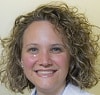 Dr. Kara Margolis is a pediatric gastroenterologist in New York, New York and is affiliated with New York-Presbyterian Hospital. She received her medical degree from SUNY Buffalo School of Medicine and Biomedical Sciences and has been in practice for 13 years. Dr. Margolis accepts several types of health insurance, listed below. She is one of 12 doctors at New York-Presbyterian Hospital who specialize in Pediatric Gastroenterology.

Sleep Disturbances and their Behavioral Correlates in Autistic Youth and Youth with Co-Occurring ADHD
Take the knowledge quiz HERE Handouts are available HERE Learn about how sleep disturbances correlate with behavior in autistic youth, including those with co-occurring ADHD. Originally
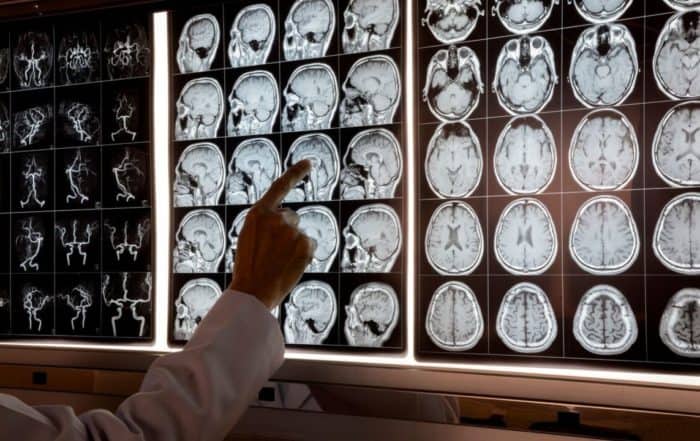
Improving Clinical Understanding of Autism
James McPartland, Ph.D., discusses current limitations in autism diagnosis and treatment, noting their reliance on behavioral observations despite the condition's genetic and neurological underpinnings. He advocates integrating biomarkers as objective, measurable biological
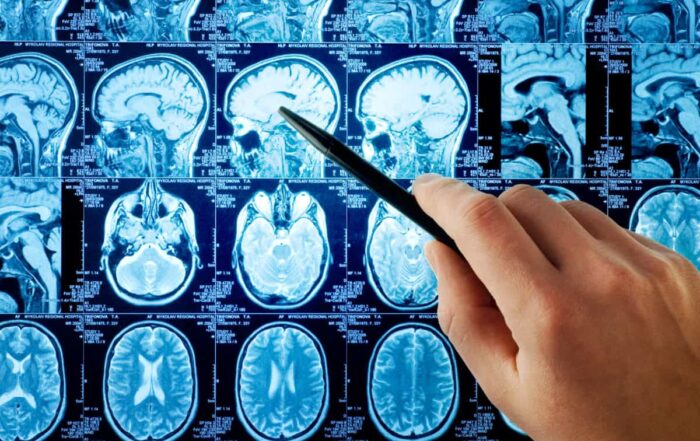
Editorial- Autism and the brain: the vital contribution of postmortem research
Autism Spectrum Disorder (ASD) is a neurodevelopmental condition that affects approximately 1% of the global population. It presents in diverse ways, but the core features typically include challenges with social
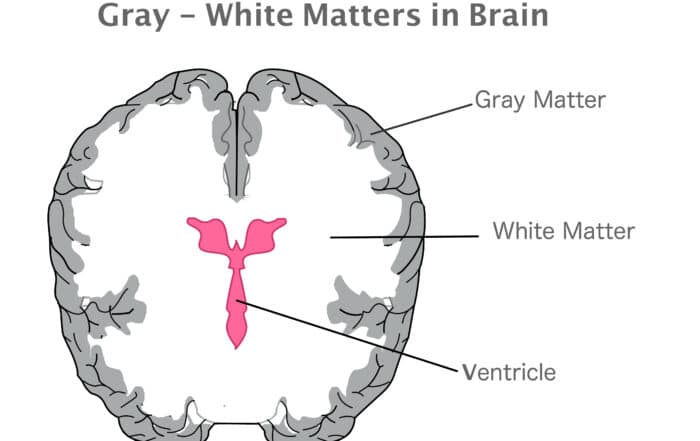
White Matter Development and Language in Autism
Tyler McFayden, Ph.D., considers the intersection of white matter development and language in autism. She discusses language modality and considers how white matter may help predict autism diagnosis and inform interventions.

Screen Time and Social Engagement in Early Childhood Development
Karen Heffler, MD, takes viewers on a comprehensive exploration of the relationship between early-life screen time exposure and autism risk. She delves into the intricate interplay of genetics, environmental factors,
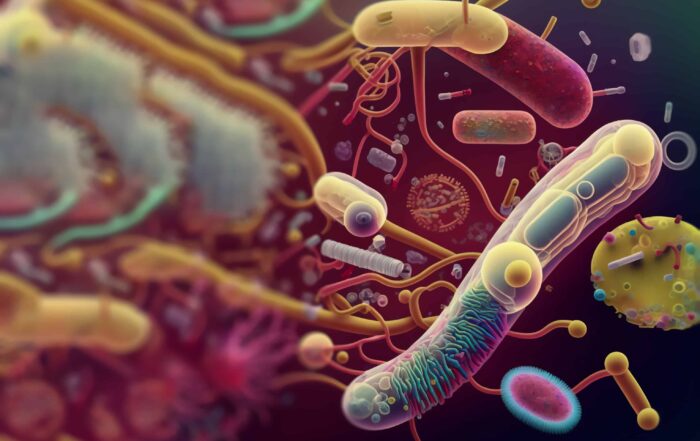
Microbiota therapy may lead to lasting beneficial changes in the gut health of children with autism
Microbiota transfer therapy (MTT) may lead to long-term improvements in the gut health of children with autism spectrum disorders (ASD), according to a recent study by Khemlal Nirmalkar and colleagues at Arizona