
Assessing and Treating Severe Behaviors
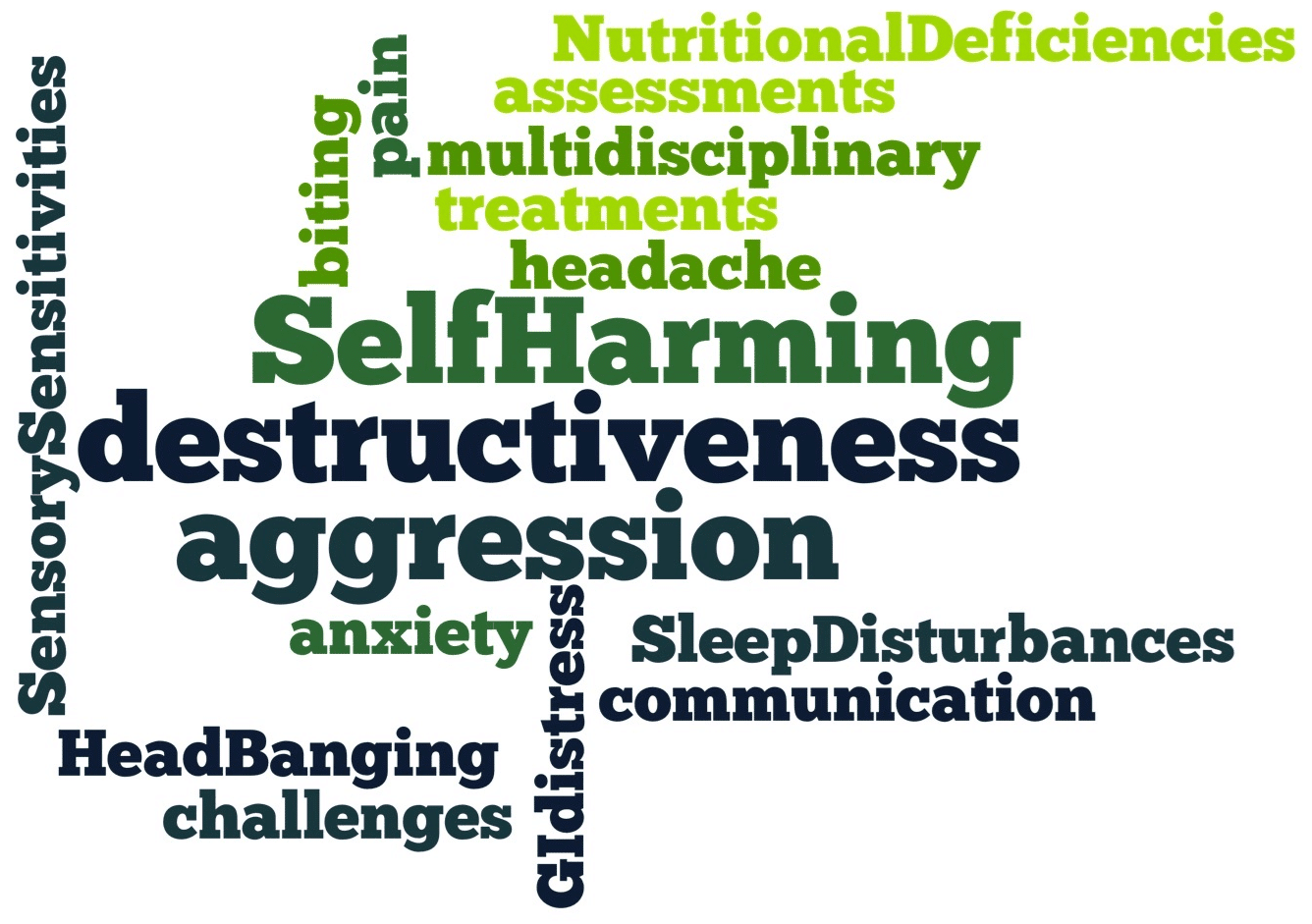
Learn about the process of getting a behavior assessment from start to finish, plus updates on current research and strategies for treatment. Originally published

Webinars provided in partnership with:

ARI’s free autism research and treatment webinars for people with autism, parents, physicians, and other professionals are made possible by generous donor support.

Learn about the process of getting a behavior assessment from start to finish, plus updates on current research and strategies for treatment. Originally published
Emily Ferguson, Ph.D., discusses self-regulation strategies for self-injurious behaviors (SIB). She outlines recent research on the frequency and distribution of different SIBs across a large sample, underscoring the

Dr. Connor Kerns discusses research on the prevalence, sources, and impact of traumatic experiences in autistic people. She underscores the prevalence of childhood adversity in autistic groups

Dr. Jennifer Frankovich reviews what we know about the underlying mechanisms, trajectories, and symptoms of Pediatric Acute Neuropsychiatric Syndrome (PANS). She discusses the role of the

Dr. Waizbard-Bartov discusses changes in autism symptoms across childhood. She outlines the Autism Phenome Project and study methods for her recent work. The speaker presents findings on

Hilde Geurts, Ph.D., discusses the impact of aging on health, quality of life, and cognition in autistic adults. She discusses aging in the general population and

Karen Heffler, MD, takes viewers on a comprehensive exploration of the relationship between early-life screen time exposure and autism risk. She delves into the intricate

Giacomo Vivanti, Ph.D., dives into the complexities of establishing evidence-based autism interventions. He describes the ever-changing state of intervention literature, noting that autistic individuals still experience health inequalities.

Hannah Belcher, Ph.D., Autistic researcher, speaker, and author, discusses the often late and missed diagnosis of autistic females. She dives into the gender gap inherent in autism research,

Gregory Wallace, Ph.D., discusses eating-related behaviors in autism. He examines potential drivers of food neophobia and presents novel studies on the cognitive/behavioral correlates of eating in the absence