
“I founded Neurodiversity Celebration Week in 2018 because I wanted to change the way learning differences are perceived. As a teenager who is autistic and has ADHD, dyslexia, and dyspraxia, my experience has been that people often focus on the challenges of neurological diversity. I wanted to change the narrative and create a balanced view which focuses equally on our talents and strengths.”
Siena Castellon, Founder of Neurodiversity Celebration Week
Such cultural narrative shifts are reflected in the continued evolution of autism science and investigation. Thanks in part to the neurodiversity movement, contemporary autism research emphasizes assessments and care that amplify individuals’ strengths and place happiness and quality of life at the forefront of care goals.
In recognition of #NeurodiversityCelebrationWeek, we have gathered a list of learning resources about the strengths and capabilities of our neurodiverse peers, how we can best support them, and how societal perspectives of autism have shifted in tandem with social movements over time.
Neurodiversity Webinars
Webinars on Strengths-Based Approaches & Wellbeing
Webinars on Autism Understanding & Society
Resources from AideCanada
Research Summary: Organizational Benefits of Neurodiversity: Preliminary Findings on Autism and the Bystander Effect
Toolkit/Article: LGBTQ2S+ Toolkit, Celebrating Neurodiversity, Gender Diversity and the Community
Online Course: Supporting Neurodivergent Guests And Colleagues
Toolkit: How to be an Ally to the Autistic Community
Webinar: Building Understanding, Informing Action: Six Principles for Inclusion
Webinar: Exploring Respite & its Importance for Caregivers
Resource Collection: Healthy Relationships and Sexuality Collection
____________________________
ARI Articles
Making Employment Work – By Barbara Bissonnette, CEC
Support Means Knowing Who I Am – Excerpt from Adults with ASD ARI E-bulletin, Nov. 2013
Workplace Accommodations: Tips – By Melanie Jordan, BS, CESP
____________________________
Neurodiversity Books by ARI Collaborators
Taking off the Mask: A Practical Guide for Managing Autistic Camouflaging and Mental Health
By Dr. Hannah Louise Belcher
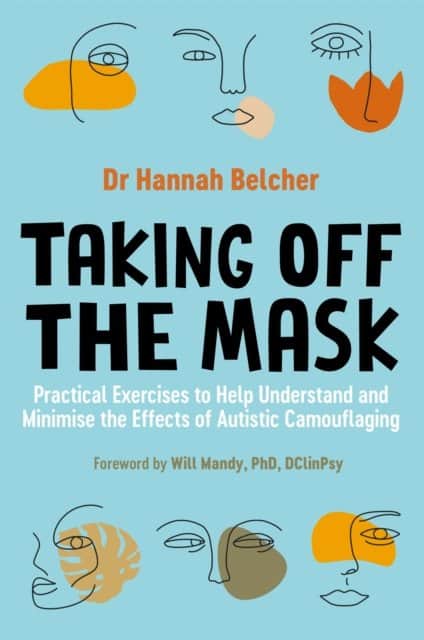 ‘I realised I had been camouflaging my whole life – I’d been trying to mask my autistic traits and fit in with all the non-autistic people around me.’
Growing up autistic can often feel as though you have to become a chameleon in social situations, camouflaging yourself to fit in with a seemingly neurotypical world. Combining lived experience with scientific research and practical advice, this book is the essential guide to understanding why you mask and how to feel confident without one.
Focusing on diagnostic devices like the Camouflaging Autistic Traits Questionnaire (CAT-Q) to discover the situations in which you mask the most and why, alongside a range of techniques, from CBT, compassion-based therapy, DBT, and mindfulness to relieve anxiety and reduce stress, this guide gives you all the tools and confidence you need to re-connect with yourself, the things you love and finally, take off your mask.
For more content related to this author:
- Read our article on Women in Autism, which includes quotes from Dr. Belcher.
- Watch this webinar on Delayed and Missed Diagnosis of Autistic Women, presented by Dr. Belcher.
Different Not Less: Inspiring Stories of Achievement and Successful Employment from Adults with Autism, Asperger’s, and ADHD
By Dr. Temple Grandin
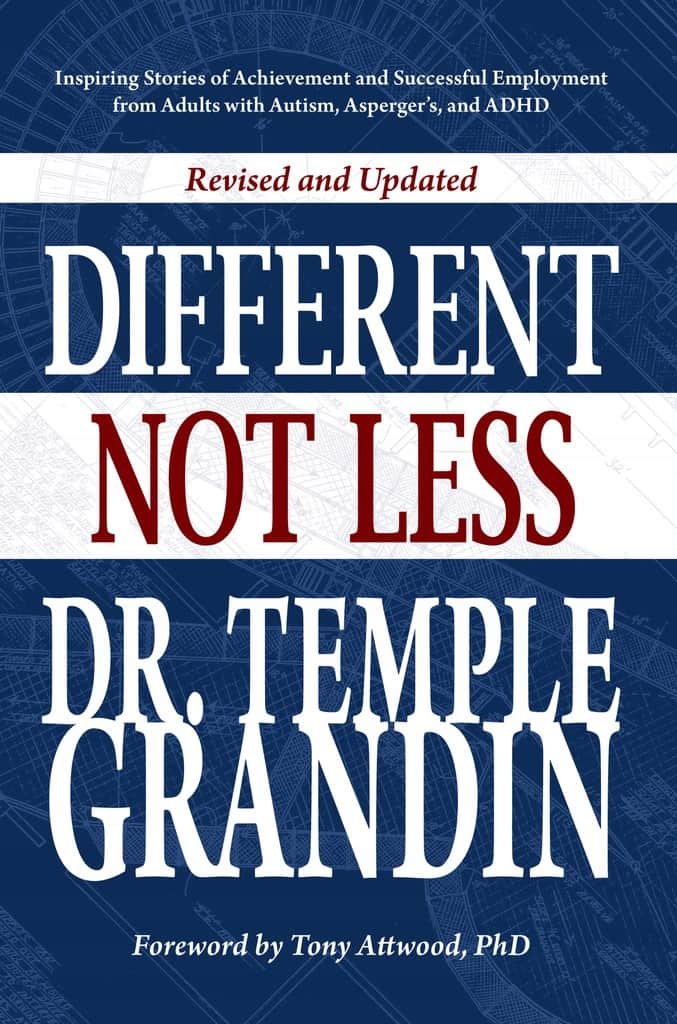 Temple’s primary mission is to help people with ASD and ADHD tap into their hidden abilities. Temple chose contributors from a wide variety of skill sets to show how this can be done. Each individual tells their own story, in their own words, about their lives. From relationships, bullying, making eye contact, honing social skills, and eventual careers, these stories have something everyone can learn from.
Different … Not Less shows how, with work, each of the contributors:
- Found mentors
- Learned skills necessary for employment
- Became successfully employed
- Developed self-con¬fidence
- Faced the challenges of forming and maintaining relationships and sometimes raising families
If you’ve read the first edition, you’ve only gotten half the story. Temple Grandin and these amazing contributors proudly display their growth as they take us along on their journeys.
For more content related to this author:
- Read Dr. Grandin’s article, Inside ASD, where she talks about her lived experience with Autism.
- Read Dr. Grandin’s article, Employment and Autism Tips
The Passionate Mind: How People With Autism Learn
By Dr. Wenn Lawson
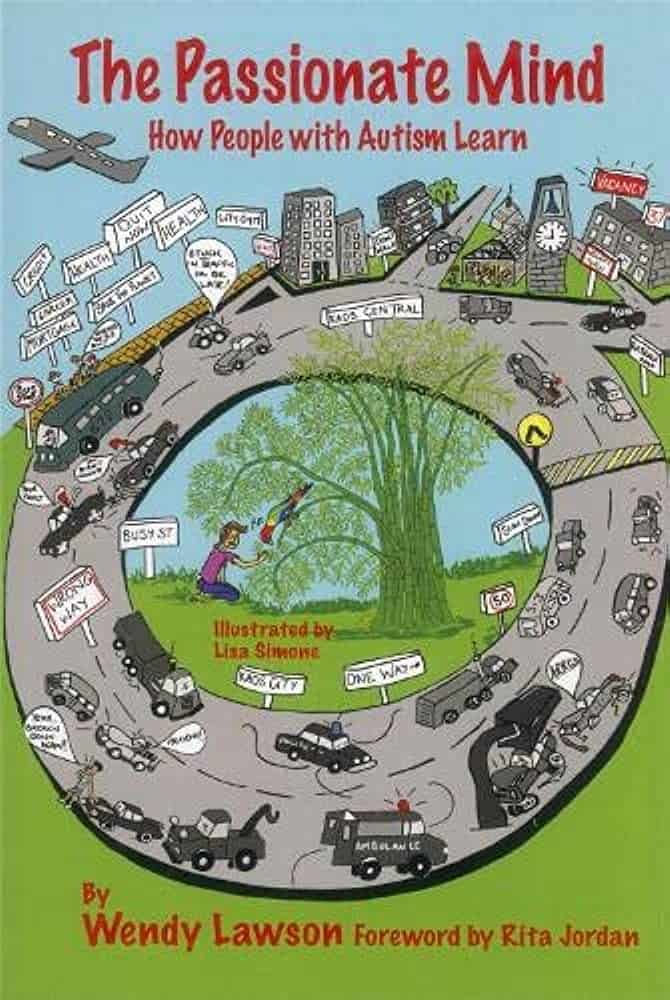 Dr. Lawson examines traditional theories about the autism spectrum (AS) and reveals their gaps and shortcomings. Showing that a completely different way of thinking about AS is needed. He sets forward the theory of Single Attention and Associated Cognition in Autism (SAACA), an approach that explains autism in terms of the unique learning style of AS individuals. The SAACA approach suggests that whereas neurotypical people can easily shift their attention from one task to another, those on the autism spectrum tend to use just one sense at a time, leading to deep, intense attention. From the perspective of this new approach, Dr. Lawson describes practical outcomes for individuals, families, and places of education and employment and shows that when the unique learning style of AS is understood, valued, and accommodated, AS individuals can be empowered to achieve their fullest potential. This is a fascinating read for anyone with a personal or professional interest in the autism spectrum, including clinical practitioners, educators, researchers, individuals on the spectrum and their families, teachers, occupational therapists, and other professionals.
Concepts of Normality: The Autistic and Typical Spectrum
By Dr. Wenn Lawson
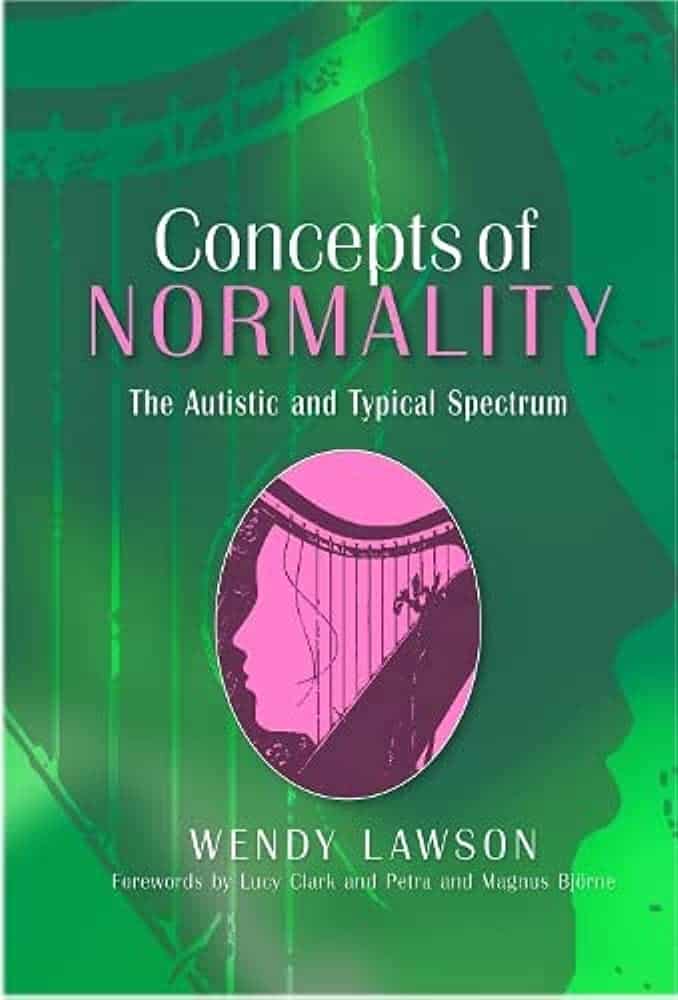 For those with autism, understanding ‘normal’ can be a difficult task. For those without autism, the perception of ‘normal’ can lead to unrealistic expectations of self and others. This book explores how individuals and society understand ‘normal’ in order to help demystify and make accessible a full range of human experiences.
Dr. Lawson outlines the theory behind the current thinking and beliefs of Western society that have led to the building of a culture that fails to be inclusive. He describes what a wider concept of ‘normal’ means and how to access it, whether it’s in social interaction, friendships, feelings, thoughts, and desires, or various other aspects of ‘normality.’ Practical advice is offered on a range of situations, including how to find your role within the family, how to integrate `difference’ into everyday society, and how to converse and connect with others.
Accessible and relevant to people both on and off the autism spectrum, this book offers a fresh look at what it means to be `normal.’
For more content related to this author:
- Read our article on Gender Discomfort and Autism, which includes insights from Dr. Lawson
- Read our article on Sexual Victimization in Autism, which includes insights from Dr. Lawson
- Watch Dr. Lawson’s webinar, Aging and Autism
- Watch Dr. Lawson’s webinar, Gender Dysphoria and ASD
- View more books written by Dr. Lawson
Autism Research: Nothing About Me Without Me
This is a joint presentation by the World Autism Organisation and ARI. Dr. Wenn Lawson discusses “nothing about us without us” and capacity building to enable the benefits of participatory

Transition to Adulthood
Stephen Shore, Ed.D., recounts his experiences with autism and discusses the support systems that helped him transition to adulthood and independence. He describes the ability-based approach and uses anecdotal stories to portray its

Friends & Family: What to say
As a friend or a family member to a loved one who has recently received an autism diagnosis, it can be challenging to know the right way to be supportive. Here are

Transition – Dena Gassner, MSW, LMSW
Published: 05/02/2013 "Transition: Stacking the Deck in Your Favor," is presented by Dena Gassner, MSW, LMSW; she is an adult on the autism spectrum. The 40-minute-plus video provides excellent information on many