

About the speaker:
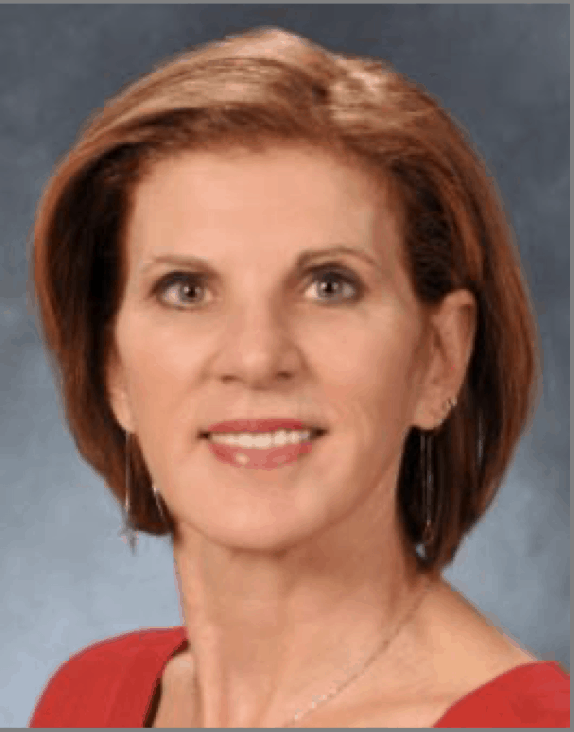 Roseann Schaaf, Ph.D., is professor and chair in the Department of Occupational Therapy at Thomas Jefferson University, Jefferson College of Health Professions and Faculty at the Farber Institute for Neuroscience at Jefferson. Dr. Schaaf is a translational scientist who has devoted her career to the study of children with autism and other developmental disorders, in particular how processing and integrating sensory information impacts participation in daily occupations. Building on her training as a behavioral neuroscientist, Dr. Schaaf’s psychophysiological laboratory was funded by NIH and provided insight into the neurological mechanisms of sensory difficulties in children with autism.
Take the knowledge quiz
Can’t see the quiz below? Take it online HERE

Sensory Considerations for Social Communication
Vanessa Rentschler, Au.D., CCC-A, C.A.S., discusses sensory considerations for social communication in autism. She highlights common auditory processing differences, available services, and the overlap of visual and auditory sensory processing in
Pain, Sensory Issues and Autism
Dr. Tami Bar-shalita, Merry Kalingal Levi, and Dr. Yelena Granovsky explore the intricate connections between pain, sensory perception, and autism. They discuss quantitative and qualitative research findings that shed light on the
Editorial: Revisiting Two Lesser-Known Teaching Strategies to Enhance Speech Production in Autism
In this editorial, I would like to shed light on two methods for improving the speech production of individuals on the autism spectrum, discuss potential neurological factors that may underlie their
Autism and Ehlers-Danlos Syndrome – Updates
Dr. Emily Casanova and Rosie Head discuss research updates on Ehlers-Danlos Syndromes (EDS) and their overlap with autism. Casanova outlines ongoing research investigations into the genetic factors that contribute to the expression of
Part 2: Sensory-Friendly Strategies for Home
Moira Peña, BScOT, MOT, OT Reg (Ont.), discusses sensory processing strategies for home. She describes how atypical sensory processing affects lived experiences of individuals with autism and outlines three sensory profiles.

Part 1: Brain & Sensory Processing Differences Across the Lifespan
Fakhri Shafai, Ph.D., M.Ed., discusses sensory differences experienced by individuals with autism across the lifespan. She describes atypical neuronal migration and synaptic pruning and outlines how such differences in brain development lead