
A new study suggests that children with autism spectrum disorders (ASD) who have a very strong preference for sameness in their daily routines may be more vulnerable to developing anxiety than children with ASD whose insistence on sameness is less pronounced.
Anxiety is common in children with ASD, with as much as 60 percent of this population suffering from anxiety by middle childhood. Insistence on sameness—in other words, a strong resistance to changes in daily routine—is also a hallmark of ASD.
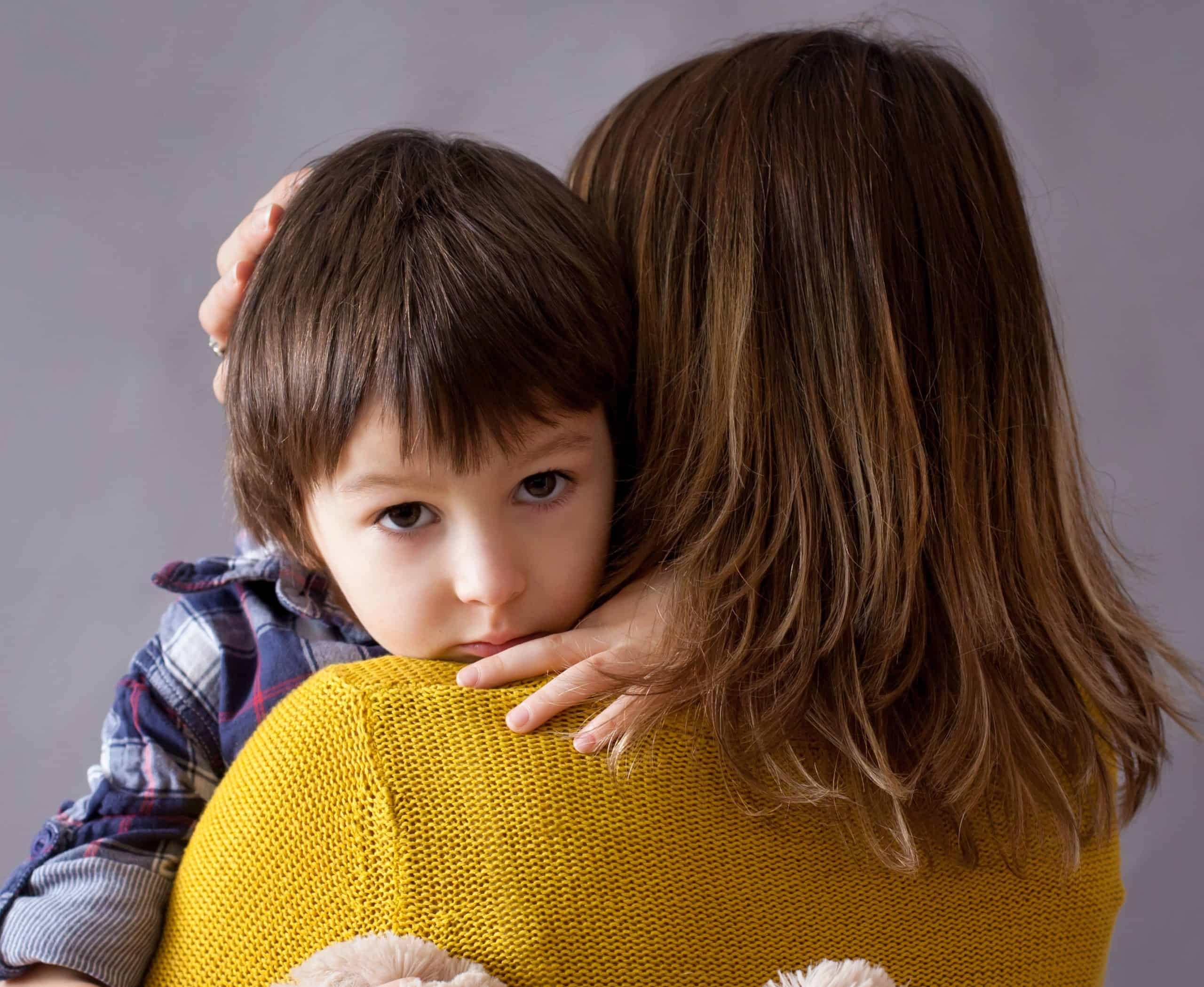
In their new research, Danielle Baribeau and colleagues examined whether an elevated level of insistence on sameness increases the likelihood of a child with ASD developing anxiety. The researchers analyzed data collected on 421 children with ASD enrolled in a long-term study in Canada. Parents were asked to fill out checklists describing their children’s levels of anxiety and insistence on sameness when the children were an average of 3, 4, 7, 9, and 11 years of age.
The researchers report that children with either elevated or increasing insistence on sameness between the ages of 6 and 9 had an increased risk for anxiety one to two years later. However, the link appeared to lessen as the children aged, with no association seen between insistence on sameness and anxiety at the age of 11.
Baribeau comments, “Perhaps by supporting these more vulnerable children and their families early in life to gradually build flexibility, face and tolerate uncertainty, and ensure supportive environments and gradual transitions, we might be able to help prevent or reduce the severity of anxiety experienced by autistic youth.” In particular, she says, interventions aimed at helping 6- to 8-year-olds tolerate uncertainty and cope with changes may be beneficial.
—
“Developmental cascades between insistence on sameness behaviour and anxiety symptoms in autism spectrum disorder,” Danielle A. Baribeau, Simone N. Vigod, Eleanor Pullenayegum, Connor M. Kerns, Tracy Vaillancourt, Eric Duku, Isabel M. Smith, Joanne Volden, Lonnie Zwaigenbaum, Teresa Bennett, Mayada Elsabbagh, Anat Zaidman‑Zait, Annie E. Richard, and Peter Szatmari, European Child & Adolescent Psychiatry, July 24, 2022 (online). Address: Danielle Baribeau, [email protected].
—and—
“Yen for routine seeds anxiety in autistic children,” Charles Q. Choi, Spectrum News, August 16, 2022.
This article originally appeared in Autism Research Review International, Vol. 36, No. 3, 2022

Editorial: What we breathe matters – Rethinking air pollution and autism
For nearly sixty years, the Autism Research Institute (ARI) has tried to understand autism by looking beyond surface behaviors and asking deeper biological questions. From the beginning, Bernard Rimland challenged the dominant

Editorial: Invisible threats – the role of environmental toxins in autism
As our knowledge about autism continues to evolve, so does our understanding of its root causes. For many years, professionals blamed “refrigerator parents” and prescribed psychoanalytic therapy. Once the psychogenic theory was

ARI’s 2025 Impact
Advocating for Independent Research and Education For nearly six decades, ARI has funded groundbreaking research, expanded educational initiatives, and brought clinicians and scientists together worldwide. Yet researchers and clinicians continue to face unprecedented