
 As our knowledge about autism continues to evolve, so does our understanding of its root causes. For many years, professionals blamed “refrigerator parents” and prescribed psychoanalytic therapy. Once the psychogenic theory was debunked, genetic research began to dominate autism science. Today, while we know that genes play a significant role in autism, we are beginning to recognize the critical importance of another factor: the environment (Rimland, 1964).
Currently, questions persist about the relative influence of genetics and environment on autism, with many people still viewing it as a purely genetic condition. However, as research findings mount, a clearer picture is forming. It is apparent that in many if not most cases, the condition arises from a complex interplay between genetic susceptibility and environmental influences (Hallmayer et al., 2011). Research increasingly shows that invisible yet potentially harmful substances can have long-lasting impacts on the fetus before birth and in the early stages of life, highlighting the need for us to take meaningful steps to reduce exposure to these substances—especially during crucial formative months in prenatal and early childhood development.
I believe it is time for the autism field to move beyond the vague use of the word “environment” and begin focusing on specific environmental toxins implicated in autism. Identifying and drawing attention to these toxins will help us to guide public policy, develop targeted interventions, and protect future generations of children.
The interplay of genes and environment
When discussing the causes of autism, it is useful to frame the issue in terms of genetic susceptibility and environmental influences.
Genetic susceptibility helps to explain why many individuals exposed to the same environmental toxin may experience little or no effect, while a small portion develop long-term disabilities. It is likely that there is no specific “autism gene,” but rather, a combination of genetic vulnerabilities that increase susceptibility to certain environmental influences. These vulnerabilities may affect systems such as the immune system, which protects the body from foreign substances, and the metabolic system, which affects the body’s ability to detoxify harmful substances.
Environmental risk factors currently implicated by research
Controlled studies on the effects of human exposure to toxins are of course neither ethical nor feasible, and correlational studies can only suggest an association rather than a cause-and-effect relationship. For example, autism appears to be more common in cities than in rural areas; however, this does not necessarily indicate a causal link, as better access to diagnostic services in cities likely accounts for this pattern.
What adds credibility is that many of these risk factors show a distance or dispersion effect. The closer one is to a source—such as pesticides or particulate matter from vehicle exhaust—the higher the risk of autism (Shelton et al., 2014; Volk et al., 2011). In addition, replication by independent research groups in different regions of the country provides relatively strong evidence supporting a possible causal relationship (Becerra et al., 2013; von Ehrenstein et al., 2019).
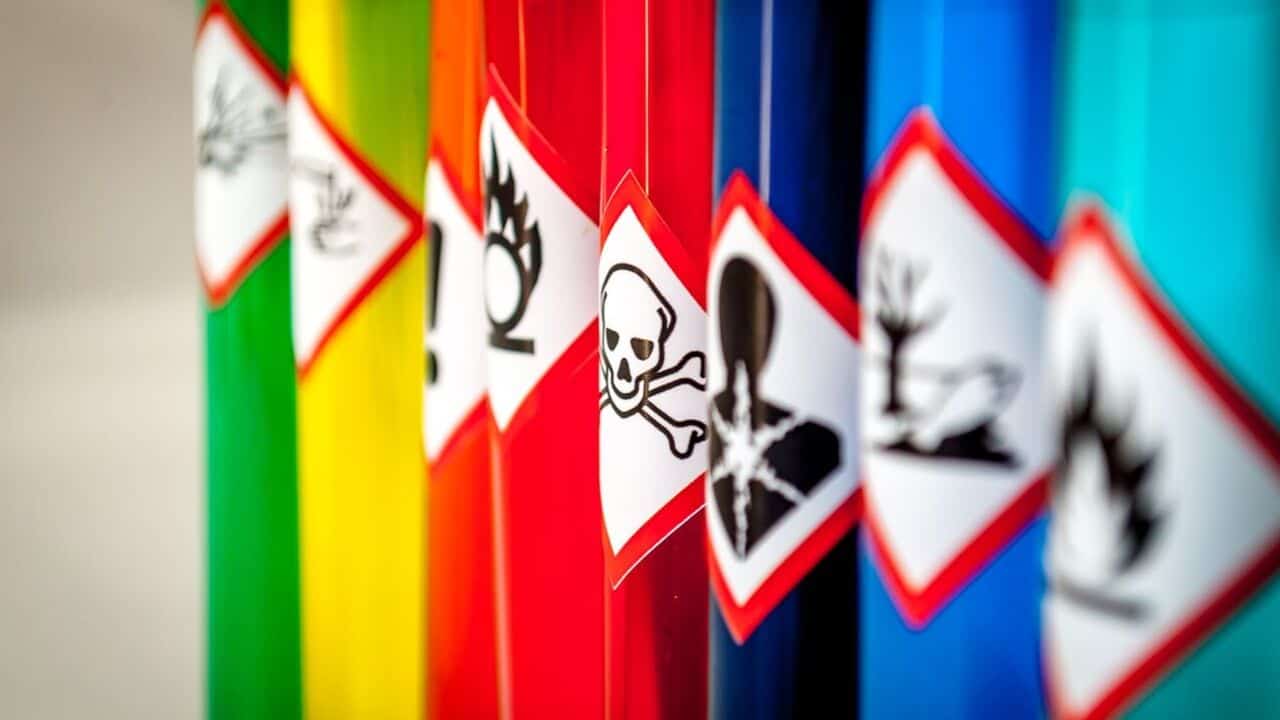
Environmental toxins that currently are strongly implicated in autism (see Goines & Ashwood, 2013; Landrigan et al., 2012) include:
Air pollutants: particulate matter, nitrogen dioxide, ozone, carbon monoxide
Pesticides: organophosphates, pyrethroids, permethrin, malathion, avermectin
Metals: lead, lithium, mercury, cadmium, aluminum, chromium, arsenic, manganese
Plastics and industrial chemicals: phthalates, bisphenol A, polychlorinated biphenyls (PCBs)
Patterns emerging from well-documented research
In addition to identifying environmental toxins that can alter fetal and early childhood development, it is important to understand the mechanisms by which they cause harm.
We know that when toxins enter the body, their effects depend on several factors, particularly the ability of the immune and metabolic systems to defend against them. In addition, the level of exposure is critical. This includes both the duration and amount of exposure, as well as the timing. For example, there is evidence suggesting that certain adverse neurological events may occur during the second trimester of pregnancy (Bilder, 2019).
Once toxic agents begin circulating in the body, they can trigger several well-documented biological processes linked to autism. These include brain inflammation (Vargus et al., 2005), oxidative stress (a marker of neuroinflammation; Usui et al., 2023), maternal immune activation (Ayoub, 2025; Usui et al., 2023), and disrupted cellular function. Naviaux (2020) has shown that cellular responses to toxins can initiate what is known as the cell danger response, in which the body enters a defensive state that can impair communication between cells.
Interestingly, emerging research indicates that the effects of particulate matter extend to the gut microbiome (Filardo et al., 2022). Exposure to particulate matter has been associated with disruptions in gut microbial balance that are also reported in autism, including reductions in microbial diversity (Fouladi et al., 2020; Kang et al., 2017). Furthermore, decreases in Bacteroidetes and Lactobacillus—both reported in autism—have also been associated with exposure to particulate matter (Li et al., 2023; Strati et al., 2017; Liu et al., 2021; Mihailovich et al., 2024).
Building on this understanding, a major study published earlier this year identified four distinct subtypes of autism (Litman et al., 2025; see ARRI 2025, Vol. 3). One subgroup, termed “broadly affected,” was characterized by severe delays in reaching developmental milestones such as walking and talking, along with pronounced social-communication challenges and marked restrictive and repetitive behaviors. This subtype closely corresponds to what is often referred to as profound or severe autism (Lord et al., 2024). Notably, autism that arises in the context of maternal immune activation during pregnancy—which can be triggered by toxic exposures or infections—is also frequently described as severe or profound (Ellul et al., 2023).
What is very interesting is that both maternal immune activation profiles and de novo mutations were most prevalent in the “broadly affected” group. De novo mutations are not inherited from parents but instead arise spontaneously as errors during cellular replication, often occurring during early embryonic development. Their occurrence can be influenced by factors such as advanced parental age—a well-documented risk for both mothers and fathers (Croen et al., 2007)—as well as environmental exposures that disrupt genomic stability (Pugsley et al., 2022).
This raises an important question: Could many individuals who are severely affected by autism represent cases in which toxic exposures during pregnancy trigger maternal immune activation and simultaneously contribute to the emergence of de novo mutations? Research exploring this possibility is urgently needed, as it may be relevant to more than one-quarter of the autism population (Hughes et al., 2023).
In a related ongoing research project, Judith Miller, a clinical psychologist at the Children’s Hospital of Philadelphia, is conducting a comprehensive study of environmental factors to which individuals are exposed over time. She is leading a multi-year project that integrates genomic and exposomic data (the latter focusing on lifetime exposures to environmental factors) from more than 100,000 children, including about 4,000 autistic children, and links this data to detailed maternal health records. The study incorporates geospatial data on air and water quality, green space access, and a wide range of other environmental exposures to explore how genetic susceptibility and environmental context may interact in autism.
Final thoughts
Can we realistically reduce harmful exposures when they are so deeply tied to economic and political forces? Cleaning up pollution in the air, water, and soil is an enormous undertaking and often prohibitively expensive, but there are many practical and cost-effective steps we can take.
In the near term, the highest priority should be protecting those most vulnerable: pregnant women and very young children. One promising effort in this area is P2i (Preconception to Infancy), a new initiative launched by the Northwest Autism Foundation. This comprehensive program is designed to support couples from the preconception stage through their children’s infancy, with the goal of promoting safer pregnancies and fostering healthier early development. One of the key goals of P2i is to reduce the body burden of toxic chemicals in mothers and their children.
There is also growing interest in interventions to reduce the harmful effects of environmental toxic exposures in autism. Strategies focus on enhancing detoxification pathways, such as increasing glutathione synthesis and strengthening antioxidant defenses. Additional approaches that support mitochondrial function, lower oxidative stress, and modulate immune responses may further reduce toxicant burden and its neurodevelopmental impact (see Rossignol & Frye, 2012).
Given the importance of efforts such as these, I believe it is time for the autism field to speak more openly and directly about specific environmental toxins and exposures. Greater transparency about these risk factors—such as exposure to certain heavy metals, pesticides, air pollutants, and prenatal stressors—will foster better public understanding and help guide prevention and policy efforts.
Researchers and clinicians have a responsibility to communicate emerging evidence clearly and without unnecessary delay. Open dialogue among scientists, policymakers, and the public will accelerate progress toward reducing harmful exposures and improving outcomes for future generations.
Stephen M. Edelson, Ph.D.
Executive Director, Autism Research Institute
References available at www.ARRIReferences.org.
This editorial is available in PDF format – Download Here
It originally appeared in Autism Research Review International, Vol. 39, No. 4, 2025

Editorial: What we breathe matters – Rethinking air pollution and autism
For nearly sixty years, the Autism Research Institute (ARI) has tried to understand autism by looking beyond surface behaviors and asking deeper biological questions. From the beginning, Bernard Rimland challenged the dominant

Editorial: Invisible threats – the role of environmental toxins in autism
As our knowledge about autism continues to evolve, so does our understanding of its root causes. For many years, professionals blamed “refrigerator parents” and prescribed psychoanalytic therapy. Once the psychogenic theory was
ARI’s 2025 Impact
Advocating for Independent Research and Education For nearly six decades, ARI has funded groundbreaking research, expanded educational initiatives, and brought clinicians and scientists together worldwide. Yet researchers and clinicians continue to face unprecedented