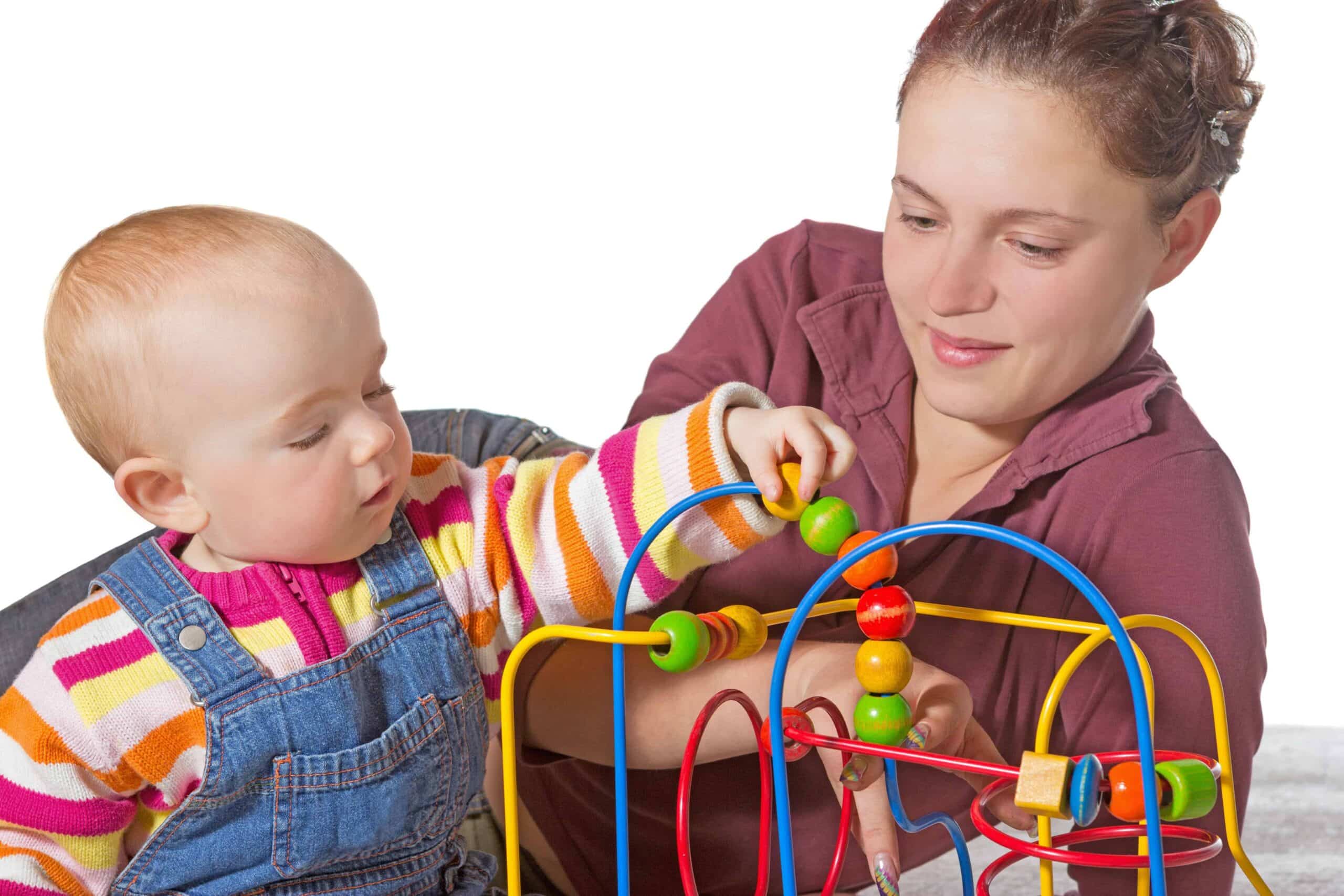
Preemptive therapy for infants who display early symptoms of autism may be highly cost-effective, according to a new study from Australia.
Leonie Segal and colleagues based their economic analysis on a 2021 study that found that only 6.7 percent of 89 children enrolled in a preemptive five- to six-month therapy program at 12 months of age received a diagnosis of autism at three years of age, compared to 20.5 percent of children who did not participate in the program.
Using data from Australia’s National Disability Insurance Scheme (NDIS), the researchers calculated that each dollar invested in early treatment would result in a savings of more than three dollars in third-party payer costs by the time the children reached 13 years of age.
Segal says, “The modeling also predicted that savings in support costs associated with disability would balance out therapy costs shortly after the child turned five—just four years after delivery of the therapy.” The researchers conclude, “Given the high and increasing prevalence of ASD globally, identifying preemptive interventions that are efficacious and represent good value is an important input to resource allocation decisions for infants who exhibit early behavioral signs of autism.”
—
“Estimated therapy costs and downstream cost consequences of iBASIS–Video Interaction to Promote Positive Parenting Intervention vs. usual care among children displaying early behavioral signs of autism in Australia,” Leonie Segal, Jonathan Green, Asterie Twizeyemariya, Kristelle Hudry, Ming Wai Wan, Josephine Barbaro, Teresa Iacono, Kandice J. Varcin, Sarah Pillar, Matthew N. Cooper, Wesley Billingham, Gemma Upson, and Andrew J. O. Whitehouse, JAMA Network Open, April 5, 2023 (free online). Address: Leonie Segal, PhD, Health Economics and Social Policy Group, Allied Health and Human Performance, University of South Australia, GPO Box 2741, Adelaide SA 5001, Australia, [email protected]
This article originally appeared in Autism Research Review International, Vol. 37, No. 2, 2023

Editorial: What we breathe matters – Rethinking air pollution and autism
For nearly sixty years, the Autism Research Institute (ARI) has tried to understand autism by looking beyond surface behaviors and asking deeper biological questions. From the beginning, Bernard Rimland challenged the dominant
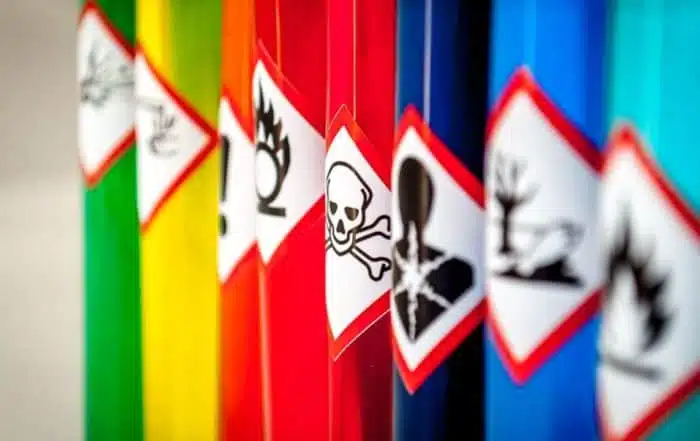
Editorial: Invisible threats – the role of environmental toxins in autism
As our knowledge about autism continues to evolve, so does our understanding of its root causes. For many years, professionals blamed “refrigerator parents” and prescribed psychoanalytic therapy. Once the psychogenic theory was
ARI’s 2025 Impact
Advocating for Independent Research and Education For nearly six decades, ARI has funded groundbreaking research, expanded educational initiatives, and brought clinicians and scientists together worldwide. Yet researchers and clinicians continue to face unprecedented