
Preparing for College, Preparing for Success
This presentation discusses what Bear POWER is, how it benefits college students, and the process of admission. We will also share what skills/strategies students



This presentation discusses what Bear POWER is, how it benefits college students, and the process of admission. We will also share what skills/strategies students
This presentation was not recorded. Resources provided by the presenter: ECHO Autism Challenging Behavior: https://echoautism.org/challenging-behavior/ Autism Speaks Challenging Behavior Toolkit: https://www.autismspeaks.org/tool-kit/challenging-behaviors-tool-kit For more information and resources, view Dr. Ferguson's

Handouts are online HERE Description -- Elopement, running or wandering away from supervision, is an incredibly dangerous behavior that is prevalent among autistic youth.

Learn about physiology and psychosocial functioning in autism by examining the unique role of the autonomic nervous system. Handouts are online HERE

Mojdeh Mostafavi, MD, describes gastrointestinal conditions commonly seen in individuals with autism, including gastroesophageal reflux disease (GERD), inflammatory bowel disease (IBD), Eosinophilic GI disease (EGID), avoidant/restrictive food
Beth Malow, MD, shares current research updates on sleep and autism. She highlights the multifactorial nature of sleep patterns and how they affect daily functioning and
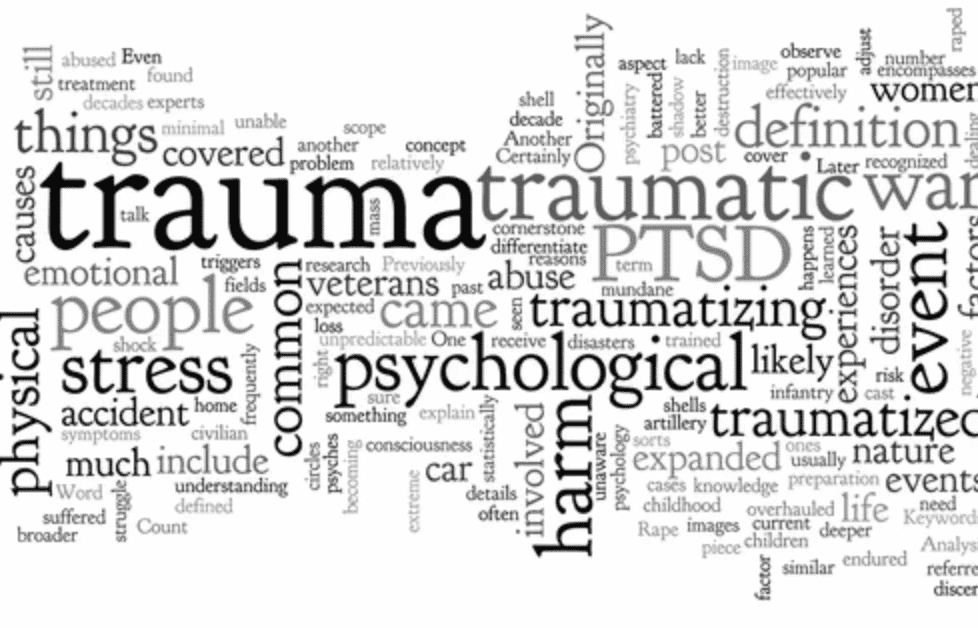
Dr. Connor Kerns delivers research updates on the intersection of trauma and autism. She describes the relationship between childhood adversities, trauma, and mental health and highlights the need
“By looking at the history of how ASD has been perceived and studied, it can be used to understand the source of biases and attitudes that

This editorial originally appeared in ARI’s Autism Research Review International – now available online. Visit the ARRI Online to continue reading this issue and more. VISIT THE

Dr. Amber Davis discusses the intersection of race, disability, and autism as it pertains to diagnosis, care, and oppression. She notes autism-related disparities in access to care