

Listen to this recording of dietitian Vicki Kobliner answering listeners’ questions in real time.
Vicki Kobliner, MS, RD is a Registered Dietitian and owner of Holcare Nutrition (www.holcarenutrition.com). She practices a functional nutrition approach to help the body heal itself, and has extensive experience using various diet modalities to help children with autism and related disorders. Vicki works with infants, children, and adults with chronic illnesses, digestive disorders, food allergies, ADHD, and autism, and provides fertility and prenatal nutrition counseling. She is a contributing author to A Compromised Generation: The Epidemic of Chronic Illness in America’s Children.
Published: 11/04/2015
 Vicki Kobliner, MS, RDMs. Kobliner is a Registered Dietitian and owner of Holcare Nutrition (www.holcarenutrition.com). She practices a functional nutrition approach to help the body heal itself, and has extensive experience using various diet modalities to help children with autism and related disorders. Vicki works with infants, children, and adults with chronic illnesses, digestive disorders, food allergies, ADHD, and autism, and provides fertility and prenatal nutrition counseling. She is a contributing author to A Compromised Generation: The Epidemic of Chronic Illness in America’s Children.

Autism and Gastrointestinal Comorbidities – Research Updates
Mojdeh Mostafavi, MD, describes gastrointestinal conditions commonly seen in individuals with autism, including gastroesophageal reflux disease (GERD), inflammatory bowel disease (IBD), Eosinophilic GI disease (EGID), avoidant/restrictive food intake disorder (ARFID), disorders of
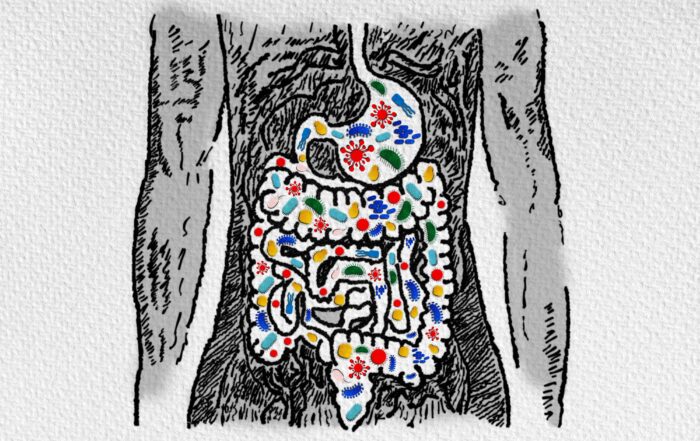
Food Adverse Reaction and Intestinal Microbiota
This is a joint presentation by ARI and the World Autism Organisation. Professor Carmelo Rizzo, MD, discusses adverse reactions to food and the critical role of intestinal microbiota in

Exercise may help to lower levels of anxiety in autism
Anxiety is a very common issue for individuals with autism spectrum disorders (ASD), and a new study from China suggests that vigorous exercise may help to reduce this problem. Hailin Li

Lifestyle issues play role in shorter life expectancy
Individuals with autism spectrum disorders (ASD) have a shorter life expectancy than people in the general population, and a new study suggests that lifestyle issues play a large role in shortening

Insulin resistance studied in children, teens with autism
Some abnormalities seen in autism spectrum disorder (ASD) may be caused by insulin resistance affecting the brain and central nervous system, according to a new study from Italy. Melania Manco and

Exercises that are similar to stereotypic behaviors are most effective in reducing these behaviors
A new study from China indicates that while physical exercise can help reduce stereotypic behaviors in children with autism spectrum disorders (ASD), it is important to select exercises that are similar to