Children with autism spectrum disorders (ASD) may have an increased genetic risk for sleep problems, according to a new study.
Rackeb Tesfaye and colleagues analyzed data from two large databases, including 5,860 children with ASD and 2,092 unaffected siblings. In addition, they analyzed data on 7,509 individuals from the general population.
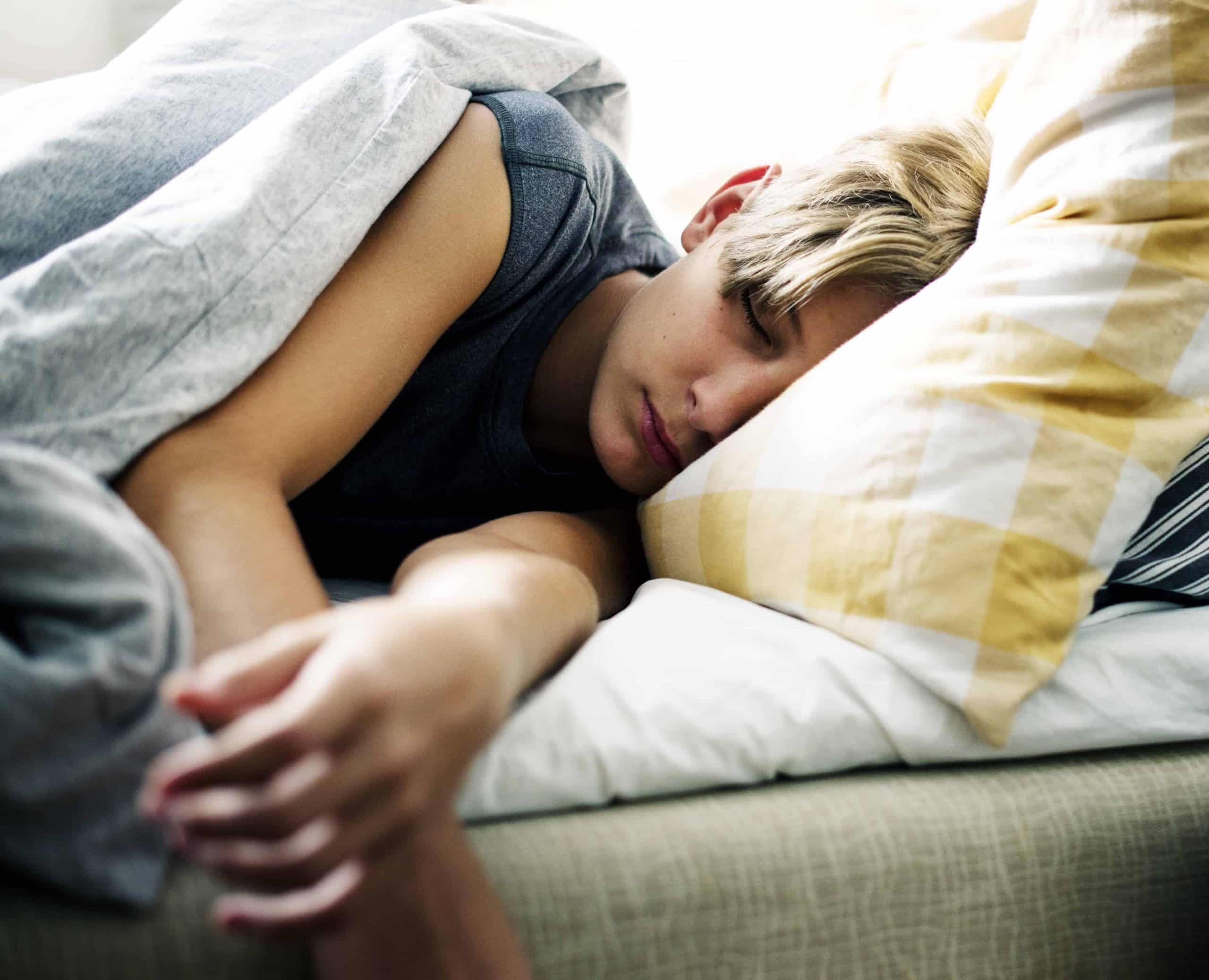
The researchers focused on copy number variants (CNVs)—which are deletions or duplications of large sections of DNA—that are associated with circadian rhythm and insomnia. They report, “Deletions and duplications with circadian genes were overrepresented in ASD probands compared to siblings and unselected controls.” For insomnia-risk genes, deletions but not duplications were associated with ASD. These results remained significant after the researchers adjusted for cognitive ability.
Interestingly, the researchers determined from parent reports that circadian genes did not appear to influence sleep problems in the children with ASD. They speculate that the databases they used may have lacked the detailed information needed to identify the full range of sleep problems frequently seen in these children. Another possibility, they say, is that circadian and insomnia genes contribute to ASD in ways that do not involve sleep—for instance, by affecting cognition or hormone secretion.
—
“Investigating the contributions of circadian pathway and insomnia risk genes to autism and sleep disturbances,” Rackeb Tesfaye, Guillaume Huguet, Zoe Schmilovich, Thomas Renne, Mor Absa Loum, Elise Douard, Zohra Saci, Martineau Jean-Louis, Jean Luc Martineau, Rob Whelan, Sylvane Desrivieres, Andreas Heinz, Gunter Schumann, Caroline Hayward, Mayada Elsabbagh, and Sebastien Jacquemont, Translational Psychiatry, October 3, 2022 (free online). Address: Rackeb Tesfaye, McGill University, Neurology and Neurosurgery, Montreal Neurological Institute, Azrieli Center for Autism Research, Montreal, Canada, [email protected].
—and—
“Autistic people at increased genetic risk of sleep problems,” Holly Baker, Spectrum News, October 18, 2022.
This article originally appeared in Autism Research Review International, Vol. 36, No. 4, 2022

Editorial: What we breathe matters – Rethinking air pollution and autism
For nearly sixty years, the Autism Research Institute (ARI) has tried to understand autism by looking beyond surface behaviors and asking deeper biological questions. From the beginning, Bernard Rimland challenged the dominant
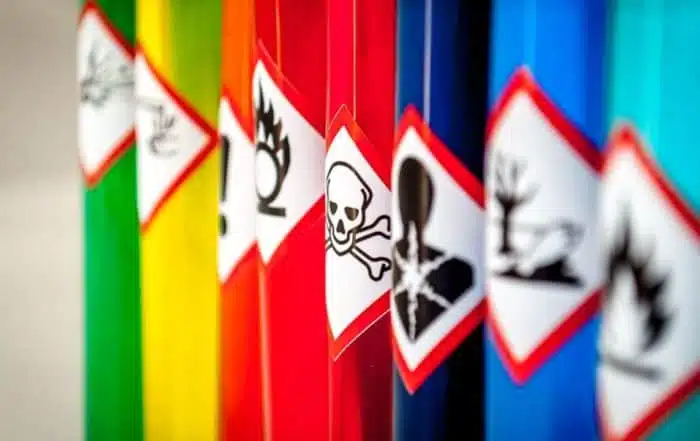
Editorial: Invisible threats – the role of environmental toxins in autism
As our knowledge about autism continues to evolve, so does our understanding of its root causes. For many years, professionals blamed “refrigerator parents” and prescribed psychoanalytic therapy. Once the psychogenic theory was
ARI’s 2025 Impact
Advocating for Independent Research and Education For nearly six decades, ARI has funded groundbreaking research, expanded educational initiatives, and brought clinicians and scientists together worldwide. Yet researchers and clinicians continue to face unprecedented