Mothers who receive periodontal treatment during pregnancy may reduce the odds of their children developing autism spectrum disorders (ASD), according to a new study.
Carl Bose and colleagues collected data on 306 two-year-old children whose mothers had participated in the Maternal Oral Therapy to Reduce Obstetric Risk Study (MOTOR). The mothers were assigned to either a periodontal treatment arm, consisting of scaling and root planing early in the second trimester, or a delayed treatment arm in which they received periodontal care after delivery. At two years of age, the children were categorized as being at high or low risk for neurodevelopmental disorders (children categorized as “high-risk” were premature or small for gestational age).
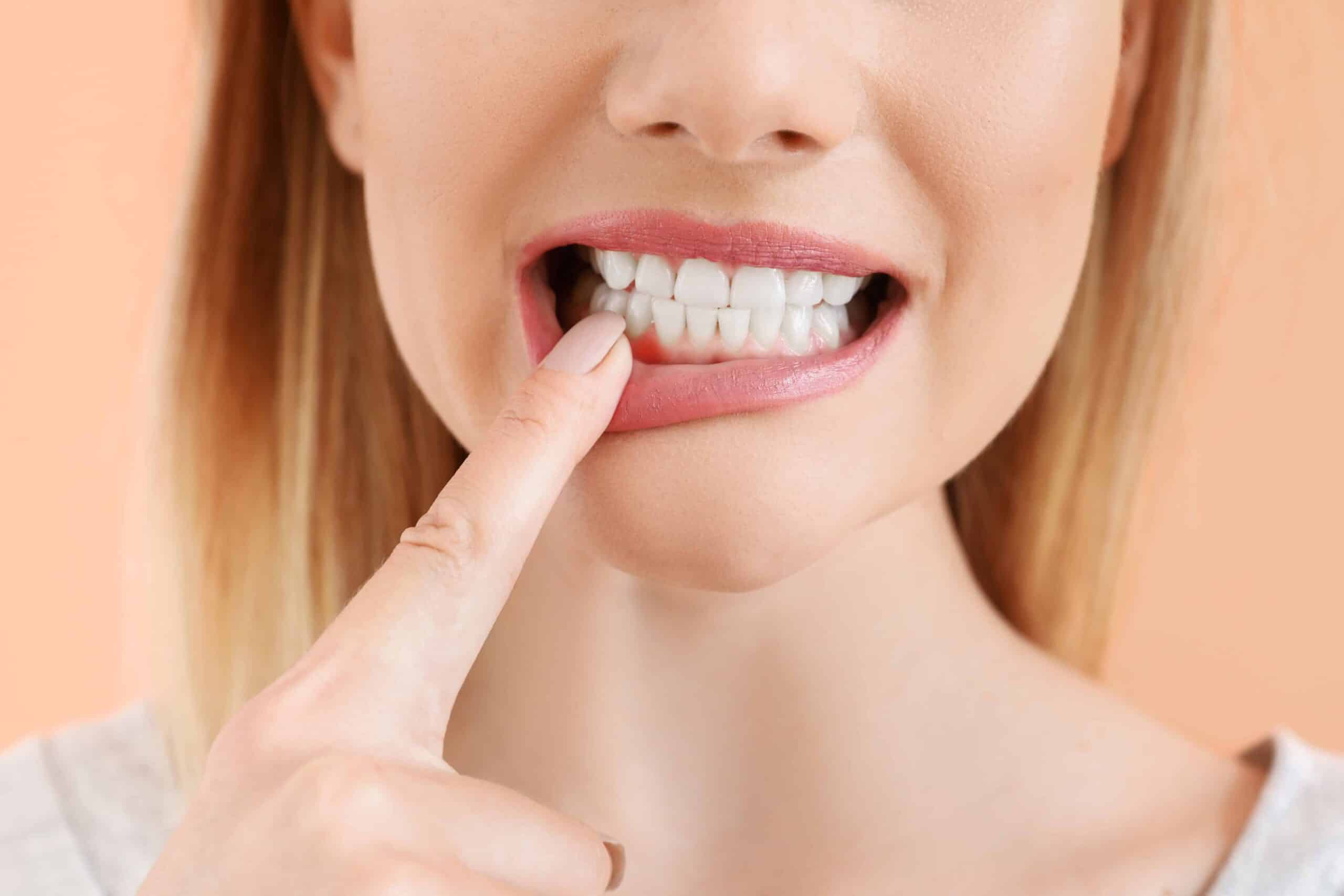
The researchers administered the Modified Checklist for Autism in Toddlers (M-CHAT) to all of the children, and found that children whose mothers received periodontal care only after delivery were more likely to have a positive M-CHAT score (indicating a higher likelihood of being autistic) than children of mothers who received care during pregnancy. This effect was larger for low-risk children than for high-risk children. The severity of periodontal disease proved to be a key factor, with children of mothers with severe periodontal disease—but not children of mothers with mild or moderate disease—having significantly higher odds of a positive M-CHAT score.
The researchers also analyzed levels of the pro-inflammatory cytokine IL-6 in cord blood samples as well as in blood samples taken from the mothers at baseline and after delivery. They found that children with positive M-CHAT scores had higher IL-6 cord blood measurements at birth, and that their mothers’ IL-6 levels rose between baseline and delivery. This suggests, they say, that increased inflammation during pregnancy is associated with higher odds for ASD-like symptoms in two-year-olds, and that periodontal treatment during pregnancy may reduce the odds of children developing ASD by decreasing inflammation.
The researchers note that their findings are in line with other research showing that periodontal disease during pregnancy is associated with a range of adverse effects including preterm birth, fetal growth restriction, and preeclampsia. They also cite animal studies indicating that exposure to oral pathogens may cause fetoplacental inflammation, which in turn may cause cerebral white matter damage that may lead to neurodevelopmental abnormalities resembling autism in humans. However, they caution that their study has limitations. For example, they note, they relied on the M-CHAT, which has been criticized for its limited predictive value, and did not follow up to see which children actually developed ASD.
—
“Antepartum periodontitis treatment and risk of offspring screening positive for autism spectrum disorder,” Carl Bose, Gregory C. Valentine, Kamaira Philips, Kim Boggess, Kevin Moss, Silvana P. Barros, Julie Marchesan, Di Wu, Thomas M. O’Shea, Myriam Peralta-Carcelen, Ricki Goldstein, Rajam Ramamurthy, and James D. Beck, Journal of Perinatology, January 25, 2023 (online). Address: Gregory Valentine, [email protected].
This article originally appeared in Autism Research Review International, Vol. 37, No. 1, 2023

Editorial: What we breathe matters – Rethinking air pollution and autism
For nearly sixty years, the Autism Research Institute (ARI) has tried to understand autism by looking beyond surface behaviors and asking deeper biological questions. From the beginning, Bernard Rimland challenged the dominant

Editorial: Invisible threats – the role of environmental toxins in autism
As our knowledge about autism continues to evolve, so does our understanding of its root causes. For many years, professionals blamed “refrigerator parents” and prescribed psychoanalytic therapy. Once the psychogenic theory was
ARI’s 2025 Impact
Advocating for Independent Research and Education For nearly six decades, ARI has funded groundbreaking research, expanded educational initiatives, and brought clinicians and scientists together worldwide. Yet researchers and clinicians continue to face unprecedented