
Autism: A Century of Discovery and Development
“By looking at the history of how ASD has been perceived and studied, it can be used to understand the source of biases and attitudes that

Webinars provided in partnership with:

ARI’s free autism research and treatment webinars for people with autism, parents, physicians, and other professionals are made possible by generous donor support.
“By looking at the history of how ASD has been perceived and studied, it can be used to understand the source of biases and attitudes that

ARI board member Robert Hendren, DO, discusses approaches for appropriately supporting symptoms of Autism and related conditions in adults. Handouts are online HERE

Dr. Amber Davis discusses the intersection of race, disability, and autism as it pertains to diagnosis, care, and oppression. She notes autism-related disparities in access to care

Patricia Wright, PhD, MPH, and Katie Curran, MAAP, introduce Proof Positive - The Autism Well-being Alliance. The speakers describe positive psychology, its impact on well-being, and

Dr. Elizabeth Laugeson discusses the importance of friendships during development and the prevalence of peer rejection and neglect across populations. She introduces The Program for the Education and
Dr. Wenn Lawson, Ph.D., delves into the intersection of autism, sexuality, and gender. He describes monotropism as a theory of attention and addresses common sex differences
Dr. Connor Kerns discusses research on the prevalence, sources, and impact of traumatic experiences in autistic people. She underscores the prevalence of childhood adversity in autistic groups

Hilde Geurts, Ph.D., discusses the impact of aging on health, quality of life, and cognition in autistic adults. She discusses aging in the general population and
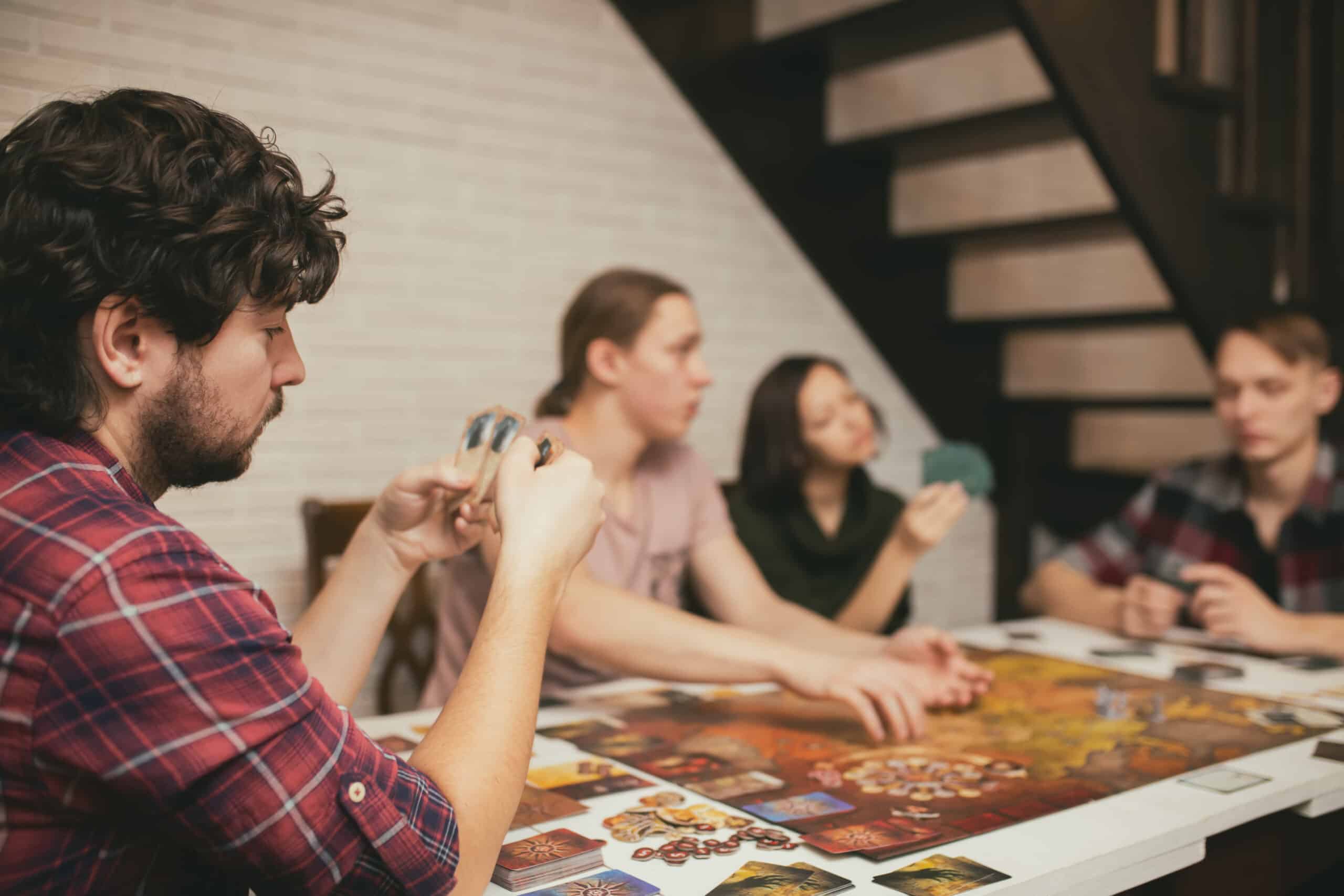
Doctors Liam Cross & Gray Atherton discuss research suggesting that board game skills may be a lifelong bridge to engaging with peers. They provide context for the
Gray Atherton, Ph.D., details the socialization of the female gender experience and how that plays into autism gender biases. The speaker discusses the experiences of autistic women,