No continuing education units were offered, but free certificates of participation are available upon successful completion of a brief knowledge quiz at: https://www.classmarker.com/online-test/start/?quiz=bmd55ee10d4748fd
Many children with autism spectrum disorders develop food selectivity, or what may be called “picky eating.” It is not uncommon for children to restrict their diets to one or two things, to refuse to eat certain colors or textures, or to consume only pureed foods. This session will focus on strategies that have been demonstrated to be successful in helping children with autism learn to eat a wide variety of new foods. Participants will also learn what assessments should be completed before starting feeding therapy. Time will be available for questions and answers immediately following the webinar.
Produced in partnership with The Johnson Center for Child Health and Development
Published: 09/09/2015
 Kelly Barnhill, MBA, CN, CCN serves as the Nutrition Coordinator for ARI. She is also Director of the Nutrition Clinic and the Clinical Care Coordinator at the Johnson Center for Child Health and Development. In her private practice, Kelly focuses on building appropriate dietary and supplementation protocols for children with developmental delays and disorders, siblings of affected children, and children with significant gastrointestinal disease. Kelly also has expertise in prenatal and infant nutrition. She practices in Austin, Texas.

Autism Health and Nutrition
Kelly Barnhill, MBA, CN, CCN, discusses nutrition in autism based on recent publications. She outlines research updates on amino acid patterns, probiotics, and dietary interventions, underscoring both what we know and what we
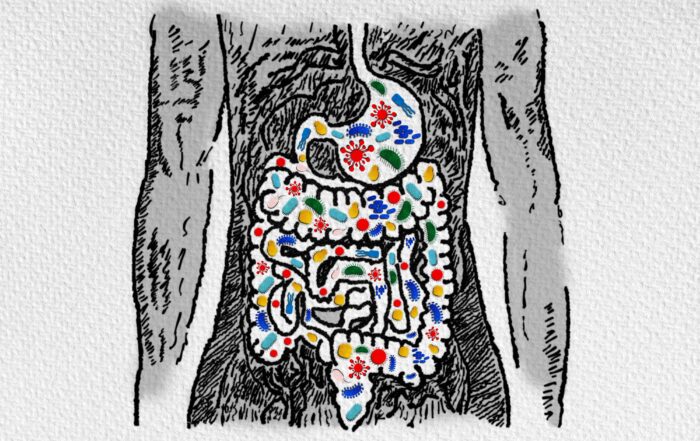
Food Adverse Reaction and Intestinal Microbiota
This is a joint presentation by ARI and the World Autism Organisation. Professor Carmelo Rizzo, MD, discusses adverse reactions to food and the critical role of intestinal microbiota in

Back-to-School Resources
Whether you’re a parent preparing a child for grade school or an adult transitioning into or out of college, the back-to-school season can present unique challenges. Not only do schedules and priorities

Preparing for Back-to-School During COVID-19
As students prepare to return to school during the COVID-19 pandemic, you may have questions about how to help your loved ones on the spectrum cope with social distancing,

Support Strategies at Home During the COVID-19 Summer
Many families are continuing to cope at home this summer and looking for practical strategies to support their loved ones diagnosed with ASD. Tune in to gain insight

Research on non-psychoactive cannabis extract use for autism symptoms
Learn about emerging research on the effectiveness of cannabidivarin (CBDV) on irritability and repetitive behaviors in children with ASD. CBDV is a non-psychoactive chemical compound and does not cause