Whether you’re a parent preparing a child for grade school or an adult transitioning into or out of college, the back-to-school season can present unique challenges. Not only do schedules and priorities change, but social and sensory processing skills are tested in new environments with new people. Take a look at these resources to gain insight and tips on navigating this annual transition.
Diet & School Lunch
Research suggests that autistic people may experience gastrointestinal problems more frequently than their peers. Learn tips for transitioning to school routines while maintaining hydration and nutritional needs with these helpful resources.

Help for Picky Eaters
Kelly Barnhill, MBA, CN, CCN, discusses evidence-based strategies to support children with autism in eating a wide variety of new foods. Many children with autism develop food selectivity, or what may be called “picky eating.” It is not uncommon for children to restrict their diets to one or two things, to refuse to eat certain colors or textures or to consume only pureed foods. Barnhill outlines helpful assessments that should be completed before any feeding therapies. This webinar is offered in partnership with The Johnson Center for Child Health and Development.
Live Q&A on Practical Menu Planning – Ask the Nutritionist
In this live question and answer session, Vicki Kobliner, MS RDN, CD-N, discusses strategies and supports for building practical meal plans.
Food in Schools: What to do when Allergies are an Issue
When a child has a food allergy or is avoiding common allergens based on medical advice, the school cafeteria looms large. Communicating with the appropriate school personnel, choosing to send lunches or arranging to buy school lunches, and planning for snack times, special events, and parties are all topics that must be considered and planned. Join us for a discussion on this topic and get points to consider ideas to implement, and a chance to have your questions answered. This webinar is offered in partnership with The Johnson Center for Child Health and Development.
Healthy Nutrition Approaches for the School Year
Kelly Barnhill, MBA, CN, CCN, focuses on preparation strategies for the challenges of maintaining a nutritious diet throughout the school year. This webinar is offered in partnership with The Johnson Center for Child Health and Development.
Easy and Healthy School Lunch Ideas for Busy Parents
It’s that time of year! Back-to-school excitement is here, and the lunchbox is waiting to be packed with great food that your child will love. Join us for this fun presentation packed with lots of tips and tricks on making lunch your child’s favorite time of the day. This webinar is offered in partnership with The Johnson Center for Child Health and Development.
Implementing Special Diets
Dietary intervention is frequently a component of an evidence-based medical approach, and there is some empirical evidence that special diets help some individuals with autism. This resource includes references, resources, and links for learning more about potentially effective, evidence-based treatments.
Supporting Picky Eaters
Kelly Dorfman, M.S., discussed underlying causes and potential solutions to picky eating in autistic children. Developmental delays and picky eating frequently occur together. Generally, neither clever recipes nor attempts to hide healthy foods in “accepted” ones will correct poor intake. The writer asserts that it is critical to focus on preventative and collaborative care.
Scheduling & Planning
Deadlines, schedules, and events can be difficult to manage. Learn how to stay organized by using your/your loved one’s strengths and learning abilities to schedule and plan this school year.

Organizational Strategies for Students with Autism in Middle School and Up
Deadlines, schedules, and events can be difficult to manage for students on the spectrum. Claire Schutte, Psy-D, BCBA-D, discusses executive function, need assessments, creativity, organizational materials, planning techniques, and the nuances of technology for students with autism in middle school and up. Learn how to stay organized by using your/your loved one’s strengths and learning abilities to schedule and plan this school year.
Tips & Tricks to Herding Cats: How to Organize Your Family and Thrive in Chaos
Anissa Ryland, with The Johnson Center for Child Health & Development, discusses setting goals, creating checklists, organizing homes and kitchens, and creating daily schedules. They also consider dietary and financial information that may help families stay organized.
Developing Visual Systems
This webinar covers visual systems development, characteristics of hyperactivity, sensory-friendly environments, face blindness, and eye contact. The webinar was originally presented by Ruth Elaine Hane and Margaret Creedon, PhD, at the Fall 2012 Autism Research Institute Conference.
Therapy & Education Plans
Working effectively with schools to implement educational plans can be a daunting task. Learn about evidence-based, positive therapies and teaching techniques that have proven effective for some students.

Educational Plans
School Districts across the country are struggling to meet the needs of students with ASD. Budgets are tight, making it hard to think about being proactive when there are not enough dollars to cover day-to-day operations. However, districts have found that developing quality education programs for students with autism can actually result in substantial savings. During this presentation, Dr. Leaf discusses factors that contribute to the development of classrooms that provide effective education for students with autism. Dr. Leaf shares what he has found to be indicators of a “good” school district, teacher, and classroom.
The presenter, Dr. Ronald Leaf, is a licensed psychologist with over thirty-five years of experience in the field of autism. He worked with Ivar Lovaas while receiving his undergraduate and doctorate degrees at UCLA. He is co-author of A Work in Progress, Building Quality ABA Educational Programs for Students with ASD, Sense and Nonsense in the Behavioral Treatment of Autism, and Crafting Connections. Dr. Leaf has consulted nationally and internationally with families and school districts; he is the Director of Autism Partnership.
Learning Styles Autism
‘Learning styles’ is a concept that attempts to describe the methods by which people gain information about their environment. People can learn through seeing (visually), hearing (auditorily), and/or through touching or manipulating an object (kinesthetically or ‘hands-on’ learning). For example, looking at a picture book or reading a textbook involves learning through vision; listening to a lecture live or on tape involves learning through hearing; and pressing buttons to determine how to operate a VCR involves learning kinesthetically. Learn about evidence-based, positive therapies and teaching techniques that have proven effective for some individuals on the spectrum.
Negotiating the Maze Strategies for Effective Advocacy in Schools (Aide Canada)
Working effectively with schools to implement educational plans can be a daunting task for parents and students with autism. This toolkit from Aide Canada provides tools and resources for successful self-advocacy in schools. It covers strategies for managing difficult situations, writing effective letters, and communicating well in meetings.
Bullying & Mental Health
Anxiety and depression are common co-occurring conditions that can be exacerbated by bullying and transition periods. It is important to understand the consequences of mental health issues and learn how to recognize and handle bullying quickly.

Bullying and ASD: Addressing Victimization
Ryan E. Adams, a Cincinnati Children’s Hospital Medical Center faculty member, presents the Girls and Boys Guides to End Bullying free online curricula. He notes the importance of being able to recognize bullying and the benefits of self-efficacy and awareness. The speaker suggests that adolescents are allowed to take control of their situations and that parents/caretakers listen to youth and consider the social implications of bullying and peer victimization. He previews the online curricula created for students, teachers, and parents and provides examples of their use in various settings. Adams differentiates bullying from peer victimization, provides acknowledgments, and closes with a Q&A.
Teasing, Bullying & Cyberbullying
Dr. Aarti Nair dives into bullying, teasing, and cyberbullying as it applies to adolescents with autism. She defines each type of bullying and discusses how to address such situations using the evidence-based UCLA PEERS program. The speaker considers the intended outcomes of bullying and uses perspective-taking questions to discuss alternative reactions for autistic adolescents. She underscores the importance of practice and notes the use of social coaches in the PEERS program. Nair uses positive and negative role-playing videos to portray the social interactions she describes and refers to data from clinical samples throughout the presentation.
Sexual Victimization in Autism
Contemporary research underscores that autistic people desire and pursue intimate romantic relationships no differently than the general population. However, due to past misconceptions of autistic sexuality, little attention has been given to sexual education and safety for autistic individuals and their families. A lack of personal and clinical education combined with communication and social differences leaves many autistic people prone to abuse and maltreatment. Traumatic experiences like sexual victimization during childhood can have lifelong effects on mental health and quality of life. Research on the intersection of sexual victimization, trauma, and autism is in its infancy. Still, more must be done to educate and safeguard autistic people, especially children. Effective education and treatment programs must be collaborative, individually based, and support autistic sexuality.
Mind Your Mind: Mental Health Webinar Series
Anxiety
Jana Rundle, Psy.D. discusses the difference between anxiety and fear and outlines physical indications and symptoms of anxiety. She also notes common intervention targets and treatments. This webinar is offered in partnership with The Johnson Center for Child Health and Development.
Mind Your Mind: Mental Health Webinar Series
Depression
Jana Rundle, Psy.D. considers the intersection of autism and depression, emphasizing the benefits of physical touch. She discusses difficulties with social communication and diagnosis and notes behavioral markers and common treatments for depression. The speaker outlines mindfulness techniques and the basics of cognitive behavioral therapy. This webinar is offered in partnership with The Johnson Center for Child Health and Development.
Mind Your Mind: Mental Health Webinar Series
Sleep
Jana Rundle, Psy. D. presents the stages of sleep and notes the prevalence of sleep issues in autism. She discusses sleep hygiene, cognitive therapy, relaxation training, and other somatic techniques for sleep preparation and support. This webinar is offered in partnership with The Johnson Center for Child Health and Development.
Bullying Significantly Increases Suicidality in Teens
Bullying is a significant risk factor for suicidal thoughts and behaviors in teenagers with autism spectrum disorders (ASD), according to a new study. In the study, Rachel Holden and colleagues reviewed the clinical records of 680 teens with ASD who were referred to a mental health clinic, focusing only on teens who initially were not suicidal. To zero in on the effects of bullying, they controlled for the presence of co-occurring psychiatric conditions and a number of other sociodemographic and clinical factors.
Stress & Anxiety Reduction
Amy Keefer, Ph.D., dives into anxiety and autism. She characterizes anxiety, noting differences in anxiety typical during developmental stages and psychopathological anxiety that interferes with daily function over an extended period. The speaker discusses anxiety prevalence rates across populations, common anxiety disorders in autism, and contemporary research on ambiguous anxiety. Keefer considers how to identify anxiety in autism, underscoring the overlap of symptomology and genetics in autism and anxiety. The presenter explores treatment options, including medication, modified cognitive behavioral therapy (MCBT), and mindfulness-based treatments. She suggests collaborating with professionals who are knowledgeable about autism and provides resources before the Q&A.
Research on Bullying and Victimization in Youth with Autism Spectrum Disorders (Aide Canada)
Youth with ASD experience higher rates of bullying than youth who do not have disabilities. However, very little research has been done to investigate bullying experiences in youth diagnosed with ASD. Rather, research has focused on rates of bullying victimization in youth with ASD compared to typically developing youth. The current study examined various forms of bullying in children, youth, and young adults with ASD. The study also investigated the relationship between victimization and mental health problems, and the individual factors (e.g., child age, communication problems) and contextual factors (e.g., parent mental health) that increased the likelihood of being bullied.
Safety
Safety precautions can be difficult to address in any setting. Learn what precautions to take and how to adapt those to different environments with these informative webinars.

Safety Issues in the Home and School
Rebeca Flores, RD, and Jeanna Martinez, CCLS, discuss safety risks for individuals with autism, including wandering, elopement, and drowning. They outline risk prevention techniques for home, school, and various other environments and note helpful tools like identification jewelry, child ID cards, and a wandering emergency plan. The speakers touch on intervention challenges and community support. This webinar is offered in partnership with The Johnson Center for Child Health and Development.
Live Q&A: Law Enforcement and Autism
Kimberly Taylor discusses medical alert bracelets, school resources, and what qualifies as “illegal” behavior. She provides resources for more information. This webinar is offered in partnership with The Johnson Center for Child Health and Development.
Social Skills
Social skills are important at every stage of development and can increase quality of life. Check out these webinars for tips on teaching social skills to students of every age.
 Caregiver Strategies for Building Infant Social Interaction
This webinar will be live recorded at 1 p.m. Eastern time (US), Wednesday, October 9, 2024
Promoting play and social skills at recess
Matthew Brock explores the benefits of recess and the potential impacts of recess interventions. He highlights peer networks as critical social support for autistic children and teens and provides research illustrating these points. Brock discusses identifying peers and touches on teaching and sharing strategies that can help autistic youth understand social contexts. The speaker provides data and planning sheets to assist caretakers with intervention implimentation.
How Games Foster Social Connection
Doctors Liam Cross & Gray Atherton discuss research suggesting that board game skills may be a lifelong bridge to engaging with peers. They provide context for the intersection of autism and board games, highlighting the parallels between cognitive differences in autism and modern board game characteristics. The speakers outline recent studies on the prevalence of autism among board gamers, what autistic board gamers get out of the hobby, and the potential long-term effects of board game play. Atherton and Cross assert the ability of board games to foster social and communication development in autism and discuss creating a formal intervention strategy before the Q&A.
Teaching Social Communication Skills
Presented by John McEachin, PhD, BCBA-D at the Fall 2012 Autism Research Institute Conference: Applied Behavior Analysis provides a systematic framework for teaching a wide range of skills to children with Autism Spectrum Disorder (ASD). Although commonly regarded as a highly structured approach, it is also very adaptable, flexible, and well-suited to teaching more advanced and subtle skills associated with social communication. The degree of structure depends on the learning style of the student and the complexity of the skill being taught. Examples will be provided of teaching the basic elements of language, breaking down abstract concepts into teachable components, and the social components of communication, including joint attention.
Conversation Skills for Teens with ASD
Aarti Nair, Ph.D. of the UCLA Semel Institute for Neuroscience and Human Behavior, presents evidence-based strategies aimed at supporting emerging conversation skills in autistic teens. She discusses The Program for the Education and Enrichment of Relational Skills (PEERS®) and uses clinical examples to illustrate its efficacy. The speaker touches on common conversation errors and how role-playing situations can assist in preparing people with autism for a variety of social situations. She provides resources and UCLA PEERS clinic information.
Inclusion: Effective Strategies
Diane Adreon, Ed.D., provides tips for families and educators on how to accommodate autistic students in the classroom. She discusses different timing for autistic youth, alternative activities for handwriting, and the benefits of well-prepared schedules, routines, and transitions. The speaker touches on the importance of having a flexible instructor/teacher and suggests balancing out big changes in one’s schedule, such as field trips. Adreon highlights visual supports, praise, and special interests as important aspects of autism inclusion.
Peer Support in Autism
Though institutionalization is not as prevalent as it was in the 20th century, people with autism and other developmental or physical disabilities are still frequently separated from allistic (non-autistic) groups and spaces. As such, a large part of the physical world and many critical social experiences are not available to autistic people. The resulting social ostracization and lack of self-determination significantly impact mental health and long-term well-being. Peer-mediated support strategies offer a framework for social group integration based on mutual respect, understanding, and care. Many school and work-based programs show increases in mental health, social skills, and work/academic performance for both mentees and mentors across time and location. Further, research suggests that simply completing a task with someone can impact how we view them in reference to ourselves (“us” or “them”), highlighting the potential impact that peer-mediated frameworks may have on broader society.
Support: The Ins and Outs of Dating
Dr. Aarti Nair discusses the ins and outs of dating as it specifically applies to individuals with autism. She considers the need for teaching such skills to autistic adults and answers common questions she receives in her work. The presenter uses the UCLA PEERS program to discuss sources for potential partners, how to give compliments, digital communication, and more. Nair shares positive and negative role-playing videos for dating steps and uses a perspective-taking exercise to point out non-verbal social cues and outcomes. She underscores dating safety and comfort before the question-and-answer session
Utilizing Students’ Interests to Teach Social Skills
This presentation describes how to identify and utilize a student’s interests to help them learn social skills in a natural environment. Doing activities and sharing information that interests your student provides opportunities for spontaneous and successful social interaction in an environment where the student is ready to learn and where you can be a meaningful and successful social coach. This webinar is offered in partnership with The Johnson Center for Child Health and Development.
Employment
The transition to work from school can be difficult for some individuals. Discover what support systems exist for those on the spectrum and get tips on training yourself for the workplace from other neurodiverse people with the resources below.

Making Employment Work
Early diagnosis and services beginning in grade school mean that employment is a possibility for more and more people with autism. However, even those who earn college degrees or complete vocational training programs struggle to find jobs that are manageable. Finding the right job match requires patience and a pragmatic approach. Intellect alone is not a predictor of vocational success (or failure). Special interests do not always lead to gainful employment. Although generalizations can be made about the best and worst types of jobs and work environments, one must always consider the impact of autism on a specific individual. Written by Barbara Bissonnette, CEC.
Employment Resources for Individuals with Autism
Resources on this page were taken from a previous ARI initiative focusing on employment for individuals with autism. Although that initiative has concluded, we have collected some of the most relevant information and made it available for free.
Employment and Autism Tips from Temple Grandin
Dr. Temple Grandin writes about her experience as an autistic woman in the workforce. She highlights the importance of learning manners, grooming techniques, turn-taking and sharing, and limits on behavior. The writer notes the importance of differentiating between bad behavior and sensory meltdowns, highlighting the need for consistent discipline between home and school. Grandin suggests using special interests to fuel potential employment pathways where possible and underscores the impact of a good mentor. She discusses good working skills, tips to help you keep you job, and much more.
Vocational Rehabilitation – Employment Supports
This article by Nancy Kiehl details a vocational rehabilitation study for an individual with autism: Ben J. is an articulate, intelligent, and friendly twenty-one-year-old with a dual diagnosis of ADHD and autism who lives and works in Boulder County, Colorado. He is employed as a dishwasher at a popular Indian restaurant. Since August 2013, Ben has received support in obtaining and maintaining employment from Jason Hewes, who is the Coordinator of the School to Work Alliance Program (SWAP) with the Boulder Valley School District. Initially, Ben and Jason met weekly. First, they completed assessments of Ben’s vocational skills and interests. Next, they spent some time on career exploration. Afterward, Jason provided Ben with short-term instruction in skills such as resume writing, completing job applications, and interview practice. Social and soft skills in the workplace were presented as well. Ben has learned appropriate job-seeking and employment retention skills that can be used throughout his lifetime.
Workplace Accommodations: Tips
Melanie Jordan, BS, CESP, discusses best practices and strategies for requesting and negotiating accommodations in the workplace.
Life Stage Transitions
Life stage transitions can help you focus on personal strengths and master practical skills. Learn from other autistic adults who have successfully navigated adult transitions and discover what universities have to offer for a successful start in college.

Research on Children with Autism and their Transition Between Primary and Secondary School (Aide Canada)
This article from Aide Canada summarizes a study that found individuals with autism may experience difficulty during transition. The transition from primary to secondary school may be one of these difficult junctures. This was examined, and researchers address issues of bullying.
From Just Surviving to Thriving in Highschool (Aide Canada)
This Toolkit from Aide Canada offers ideas and tips that may be useful for high school youth. It addresses topics such as making the most of high school, independence and organization, friendships, and other issues for teens such as smoking, vaping, drugs, alcohol, and making good decisions. The Toolkit was written by Laura Beaune, a social worker who has worked extensively with youth.
Beyond High School: Self Identity and Managing Life (Aide Canada)
This Toolkit from Aide Canada offers information that may be particularly useful for teens who are nearing the end of high school and moving toward adulthood. It includes information, practical tips and exercises under the following titles: “What You Need to Know: Facts about Teens Like Me”, “The Future: Education, Job Training, Employment and Housing”, “Independence & Organization: What’s the Deal with Executive Functioning?”, “Steps I Can Take in High School”, “Life After High School”, and “Money”. The Toolkit was written by Laura Beaune. Ms. Beaune is a social worker who has worked extensively with youth.
Maximizing Neurodiversity: Education & Jobs
Scientist and psychiatrist Lawrence Fung, MD, Ph.D., discusses what neurodiversity is and how increased awareness and support benefits not only neurodiverse individuals but the global population as a whole. He outlines the Strengths-Based Model of Neurodiversity and presents the newly implemented Stanford initiatives for neurodiverse student and employment support.
Transition to College
The ability to be more confident and prepared for life in a college setting is an invaluable part of transitioning into higher education. This transition can make or break how students feel about life after college and set the stage for their academic future. In this article, Ellen Rosenthal and Rebecca Hansen discuss the College Program for Students with Autism at Marshall University, what led them to create it, and what students are saying.
Transition to Adulthood
Stephen Shore, Ed.D., recounts his experiences with autism and discusses the support systems that helped him transition to adulthood and independence. He describes the ability-based approach and uses anecdotal stories to portray its potential for assisting with transitions and overall quality of life. Shore presents suggestions to help individuals find what and how to disclose and underscores the importance of finding strengths by looking at personal interests. The speaker notes difficulties in sexual experiences and education for youth with autism and reiterates the importance of self-advocacy, especially during and after the pandemic. He closes with a question-and-answer session.
Transition to Adulthood Services
This toolkit describes some common needs and challenges of youth and their caregivers during the transition to adulthood. It is focused on the transition to adult services and how self-determination can be fostered during this time. The hope is that parents and youth or young adults with autism or an intellectual disability will explore this toolkit together. The intended audiences are those families whose youth will have some degree of independence and are not solely dependent on others for their care.
Identity & Self Advocacy
Self-identity and advocacy are difficult aspects of life, especially for autistic individuals. Find your voice and learn to understand your loved ones on the spectrum with these presentations and resources on self-advocacy and identity.

Self-Advocacy: A Panel of Adults with Autism
Valerie Paradiz, Ph.D., Chloe Rothschild, and Jeremy Sicile-Kira co-present on the importance of developing sensory and social self-advocacy abilities. Using the Integrated Self-Advocacy (ISA) Curriculum, they detail personal experiences in developing self-advocacy abilities. They speak about the importance of community and support and provide real-world examples of self-advocacy at home, work, and school. This panel was part of the Fall 2012 Autism Research Institute Conference.
Self Advocacy
Stephen M. Shore discusses the importance of learning self-advocacy and how to apply it to instances of disclosure. He comments on the role that schools play in teaching self-advocacy, the risk of not learning these skills, and the importance of individualized lessons for each person with autism.
Gender, Sexuality, and Autism
Dr. Wenn Lawson, Ph.D., delves into the intersection of autism, sexuality, and gender. He describes monotropism as a theory of attention and addresses common sex differences in autism. The presenter discusses gender dysphoria, its biological and physiological underpinnings, and its prevalence and impact on autistic individuals. Lawson highlights the need for autism-specific sexual education and walking with autistic people as they discover their gender identities. He reiterates the spectral nature of autism, gender, and sexuality and provides resources before the Q&A.
Support Means Knowing Who I Am
These excerpts from Jeremy Sicile-Kira in Adults with ASD ARI, E-bulletin, Nov. 2013 discuss person-centered planning and self-advocacy and its tole in addressing anxiety.
Gender Dysphoria and Autism
Wenn Lawson, Ph.D., discusses gender dysphoria (GD) and how it shapes the lives of many individuals with autism. He outlines a single-minded focus concerning social and cultural constructs of gender identity and constantly reiterates the need for acceptance and understanding. The speaker provides definitions and cites research findings noting the high suicide rate for autistic individuals with GD. Lawson peppers the presentation with personal stories and underscores differences in GD detection between autistic and non-autistic populations. He reiterates the diversity of human existence and provides sources and suggestions for parents and caretakers before the question and answer session.
LGBTQIA+ and Autism
Contemporary research on the intersection of autism, sexuality, and gender identity asserts that autistic individuals are more likely to identify as LGBTQIA+ than the neurotypical population. Similarly, the prevalence of autism is higher among transgender people than cisgender individuals. Autistic individuals who identify as LGBTQIA+ face increased discrimination in access to care, cultural stigmas, and violence. Such experiences can drive poor mental health and suicidality, which are already high among autistic and LGBTQIA+ communities. To better support autistic LGBTQIA+ individuals, we must accept, validate, and listen to their lived experiences. By doing so, we can learn how best to support and assist family, friends, and loved ones who experience this intersection. We hope these resources from across the web are helpful to LGBTQIA+ members of the autism community and those who love and support them.
Autism Research: Nothing About Me Without Me
Dr. Wenn Lawson discusses “nothing about us without us” and capacity building to enable the benefits of participatory research co-production. He differentiates traditional, participatory, and co-production research methodologies and recounts his experiences in conventional autism research studies. Lawson shares videos about co-production within research and society and considers the necessary steps to creating a collaborative and inclusive atmosphere. The presenter underscores that, as with any team, co-production projects require diverse communication pathways and a safe and comfortable environment for each person. Lawson asserts that researchers must evolve into co-facilitators as investigation methods move away from classical hierarchical structures. He provides necessary considerations for creating a co-production project before the Q&A.
Gender Discomfort and Autism
Gender discomfort (GDC) is any unease or distress associated with an individual’s assigned gender. GDC encompasses all forms of discomfort with one’s gender. Gender Dysphoria is a medical term used to describe this experience. Literature on the intersection of autism and GDC has increased substantially in the last seven years. This article details the underlying mechanisms of GDC, it’s effect on mental health and quality of life, and what the world can learn from the way that autistic people tend to experience gender.
2026 Research Updates: GI Symptoms & Behavior
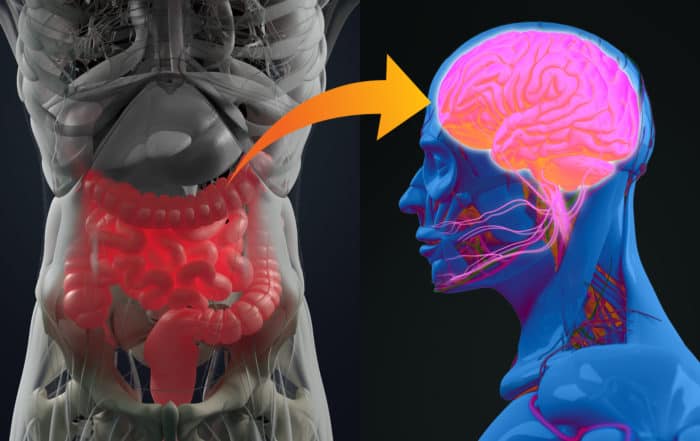
Free webinar at 1:00 p.m. Eastern time (US), December 2, 2026 Dr. Bradley Ferguson, PhD, a 2024 research grant recipient, will share emerging research on the interaction of GI symptoms and behavior in autism.

Research Updates: Gastrointestinal Issues and Autism
Free webinar at 1:00 p.m. Eastern time (US), July 29, 2026 Harland Winter, MD, will discuss his research on gastrointestinal conditions in individuals with autism. Dr. Winter is an active investigator and educator

Research Updates: What Can Monogenic Syndromes Tell Us About the Underlying Causes of Autism?
Free webinar at 1:00 p.m. Eastern time (US), May 27, 2026 Dr. Daniel Vogt, Ph.D., will discuss his current research on monogenic syndromes and what they can tell us

Research Updates: Microbiome Research and Autism
Free webinar at 1:00 p.m. Eastern time (US), May 20, 2026 Rosa Krajmalnik-Brown, Ph.D., will discuss her research on gut microbiota in individuals with autism who have gastrointestinal (GI) problems. She will share

Nutritional Neurobiology of Autism: Revisiting the Zinc Hypothesis
Free webinar at 1:00 p.m. Eastern time (US), May 13, 2026 Recent data support a model in which altered zinc biology may act as a modifiable risk factor within

Emerging Research on Autism Rates and Covid
Free webinar at 1:00 p.m. Eastern time (US), April 22, 2026 Tune in to hear about the Columbia University COVID-19 Mother Baby Outcomes Initiative (COMBO), which resulted in the first report demonstrating that