
Presented by Lindsey Biel, OTR-L from the Fall 2012 Autism Research Institute Conference
Do you or does someone you care about have sensory processing challenges? This session will demystify those sensory issues and provide you with practical solutions for overcoming sensitivities to noise, touch, movement, visuals, taste, and smell that can interfere with function at home, at school, and in the community. Sensory diet strategies, environment accommodations, and where to get the best help will also be discussed.
Published: 11/17/2013
 Lindsey Biel, OTR/L, is an occupational therapist with a private practice in NYC where she evaluates and treats children and adolescents with autism spectrum disorders and other developmental challenges. She is coauthor of the award-winning Raising a Sensory Smart Child: The Definitive Handbook for Helping Your Child with Sensory Processing Issues, with a foreword by Temple Grandin. She is also coauthor of the Sensory Processing Master Class DVD program. Visit www.sensorysmarts.com for free webinars, magazine articles, and more practical information.

Research Updates: What Can Monogenic Syndromes Tell Us About the Underlying Causes of Autism?
Free webinar at 1:00 p.m. Eastern time (US), May 27, 2026 Dr. Daniel Vogt, Ph.D., will discuss his current research on monogenic syndromes and what they can tell us

Sustained Potential as a Biomarker of Language Functioning in Autism
Free webinar at 1:00 p.m. Eastern time (US), April 15, 2026 Sustained potential (SP) is a neural response to periodic auditory stimuli registered with EEG 40Hz Auditory Steady-State Response.
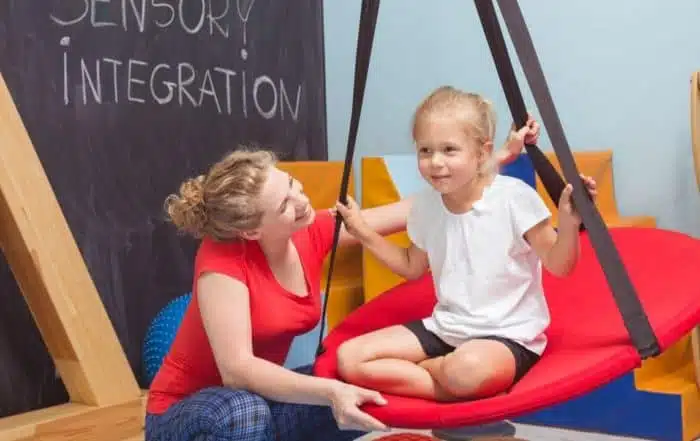
Understanding Autism through the Lens of Sensorimotor Features and Early-Developing Brain Regions
Sensorimotor differences are commonly reported in autistic individuals. However, the daily-life impact and neurobiological basis of motor differences are not clear. This talk will discuss sensorimotor differences commonly reported in
Towards the Development of a Diagnostic Test for Autism Spectrum Disorder: Data Science Meets Metabolomics
Hear Juergen Hahn, Ph.D., ARI Scientific Advisory Board member, discuss how using machine learning can lead to biomarker discoveries in autism research. Handouts are online HERE
How Genetics is Shaping the Field of Autism Research
Learn about how research on genetic influences is shaping our understanding of autism. About the speaker: M. Pilar Trelles, MD, is a licensed and
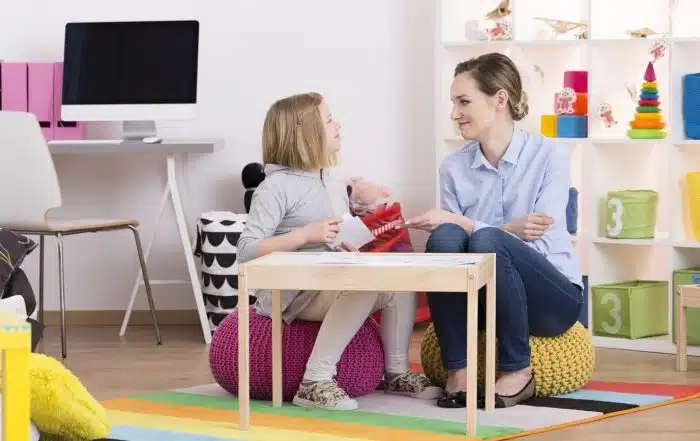
Evidence That Speaks: Prioritizing Proven Communication Supports for Non-Speaking Autistic Children
Connie Kasari, PhD, details what contemporary research reveals about supporting non-speaking or minimally verbal autistic children. She highlights how far the field has come in the past two decades and emphasizes the