The range of autism characteristics varies greatly. One individual may experience mild anxiety or avoid eye contact, whereas another may have much difficulty communicating and engage in severe tantrums. Knowing the common symptoms of autism can be helpful.

What are some Characteristics of Autism?
While autism can only be diagnosed by a healthcare professional, this list of common symptoms associated with autism can help parents and caregivers know what to watch for.
Communication and Social Traits
-
Pragmatic Language – Most individuals on the autism spectrum have difficulty communicating with other people. This often becomes apparent during early childhood. Any delays in speech development and nonverbal communication should be evaluated by a qualified specialist.
-
Eye Contact and Nonverbal Communication – Poor and avoidance of eye contact are common symptoms among those with autism. Other non-verbal communication difficulties may include recognizing and using facial expressions, physical gestures, and overall body language.
-
Tone of Voice – Some people with autism may have difficulty regulating or modulating their tone of voice. As a result, they may speak too loudly, too quietly, and/or with a monotone voice.
Behavioral Traits
-
Repetitive Behaviors – Many people with autism may perform the same behaviors repetitively. This may include rocking, spinning, or flapping of the hands and arms, or flickering their fingers in front of their eyes. They may also play with toys or other objects in unusual ways, such as spinning coins or plates tirelessly and repeatedly flipping light switches.
-
Ritualistic Behaviors – This may include eating the same foods at every meal or watching the same videos over and over again. They may even become quite upset soon after any slight changes in plans.
-
Self-Injury – Some individuals on the autism spectrum bang their head against the ground or wall, bite their hands, or excessively rub or scratch their skin. There are many ways to treat these behaviors including medical, sensory, nutritional, and behavioral approaches. Talk to your doctor as soon as possible if your child engages in any form of self-injurious behavior.
Conditions that can occur with autism
Several medical conditions are associated with autism, and they are often referred to as comorbidities or co-occurring conditions. These can include seizures, sensory sensitivities, anxiety, and sleep disturbances as well as gastrointestinal, metabolic, and immune dysregulation.
Talk with your doctor to identify and treat such conditions.
When do signs of autism appear?
Autism traits in children may be recognized as early as 18 months. More recently, adults are being diagnosed with autism, and this is likely due to increased awareness and screening during medical appointments.
If you suspect that your son or daughter may have autism, it’s time to talk to your doctor. Interventions can make a big difference for both your child’s health and development.
Learn about autism treatments for children and adults.

Nutritional Neurobiology of Autism: Revisiting the Zinc Hypothesis
Free webinar at 1:00 p.m. Eastern time (US), May 13, 2026 Recent data support a model in which altered zinc biology may act as a modifiable risk factor within

Managing Digestive Issues and Constipation in Autism
Free webinar at 1:00 p.m. Eastern time (US), April 1, 2026 Learn about evidence-based, effective nutritional strategies to manage constipation. About the speaker: Kelly
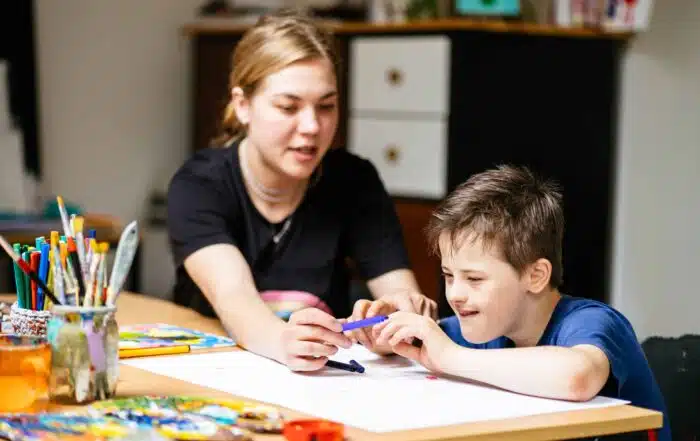
COMPASS: A Caregiver–Teacher Partnership Model for Improving Outcomes in Autistic Children and Youth
The Collaborative Model for Promoting Competence and Success (COMPASS) is an evidence-based consultation framework designed to enhance outcomes for autistic children and youth by strengthening caregiver–teacher partnerships. Developed by
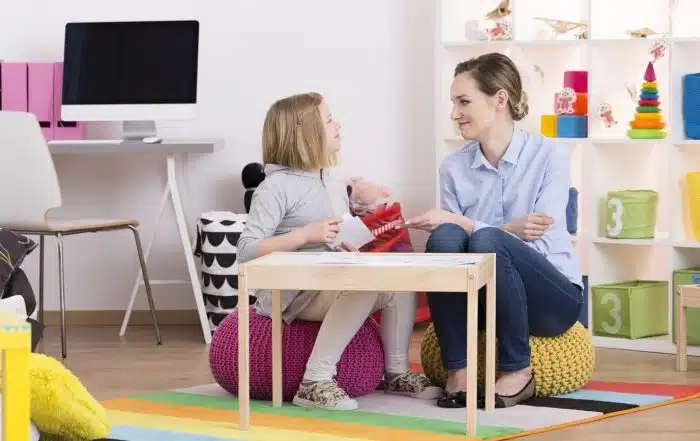
Evidence That Speaks: Prioritizing Proven Communication Supports for Non-Speaking Autistic Children
Connie Kasari, PhD, details what contemporary research reveals about supporting non-speaking or minimally verbal autistic children. She highlights how far the field has come in the past two decades and emphasizes the

Caregiver Strategies for Building Infant Social Interaction
Laurie A. Vismara, Ph.D., BCBA-D, R.B.A. (Ont.) details caregiver strategies for building infant social interaction. She introduces the Infant Start Manual, an extension of the Early Start Denver Model. The speaker
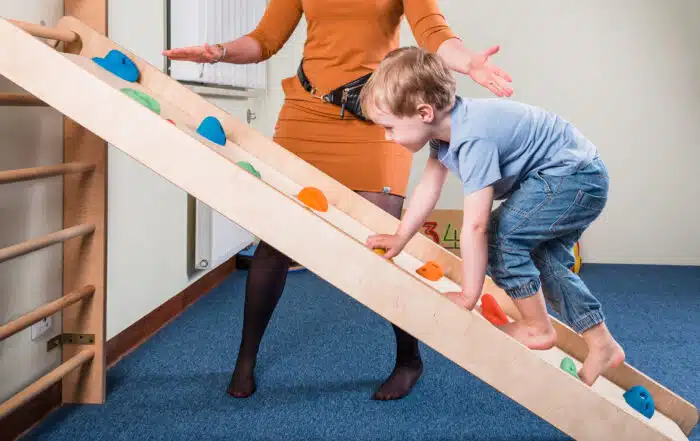
Motor Skills and Executive Function in Autism
Megan MacDonald, Ph.D., and Megan McClelland, Ph.D., discuss emerging research on the relationship between motor skill development and executive function in autism. They define motor skills and executive function, discuss their long-term impact