

Dr. Rajesh Kana considers the intersection of language comprehension, neuroplasticity, and autism interventions. He discusses contemporary research illustrating distinct patterns in autistic brain activity and underscores the importance of neuroplasticity in everyday life. The speaker examines brain connectivity and its relation to language comprehension and behavior. Kana details an ongoing reading intervention study and analyzes preliminary data that show significant improvements in reading and language comprehension for autistic participants. He provides thanks and acknowledgments before the Q&A.
Handouts are online HERE
In this webinar:
0:45 – Conflict of interest
1:25 – Overview
2:10 – Introduction
5:30 – Descriptions of language and communication in autism
7:50 – Joint attention
10:30 – Difficult components of reading comprehension
13:35 – Brain, language & reading comprehension in autism
15:30 – Brain activity in autism
21:05 – Theory of mind and language comprehension
23:26 – Targeting brain plasticity in autism
25:05 – History and significance of neuroplasticity
30:25 – Neuroplasticity and reading comprehension
35:18 – Using reading intervention to change the brain
39:55 – Ongoing study: imagery reading intervention for language comprehension in autism
41:58 – Preliminary data trends
46:30 – Brain level changes and connectivity
51:40 – Summary and acknowledgments
54:05 – Q&A
Descriptions of language and communication in autism
Kana describes language and communication difficulties in autism and how they translate into social differences in everyday life (2:55). Descriptors of autistic communication within the literature include early language delays, atypical features (e.g., echolalia and jargon), failure to acquire spoken language across the lifespan, and discourse processing difficulties (5:30). The speaker lists conditions that commonly co-occur with language processing difficulties, emphasizing that these conditions often exacerbate obstacles to language comprehension (6:50).
The presenter outlines a study that found that word comprehension plays a significant role in joint attention and that joint attention is critical to early language development (7:50). Two other studies suggest autistic children have strong decoding skills (11:30) but low language comprehension (9:15). Many components of reading comprehension, Kana explains, can be difficult for autistic children. Therefore, understanding how co-occurring conditions contribute to language and communication challenges is critical to implementing successful interventions (10:30).
Brain, language, & reading comprehension in autism
Multiple studies on brain response to auditory word stimulations report higher activation of the right brain hemisphere (Wenicke’s area) in autistic groups compared to non-autistic controls (13:50) These findings, Kana continues, are supported by a recent meta-analysis, which also found lower activity in the left brain hemisphere (Broca’s area) of autistic participants compared to their non-autistic counterparts (18:10). The speaker asserts that these data show a distinct pattern of brain activity in autistic individuals.
Sentence imagery findings indicate that autistic participants also have higher visual-spatial activation compared to controls, further evidencing that autistic people tend to be visually oriented (19:15). Kana cites a study that showed significant overlap in Theory of Mind and pragmatic (social) language processes between autistic and non-autistic groups. The study also found reduced activity in social cognitive networks in autistic groups compared to controls (21:05). These patterns in autistic brain activity can inform our general understanding and assessments of language and reading comprehension in autism (22:12).
Targeting neuroplasticity in autism
The speaker uses the invention and development of reading to illustrate the human brain’s plasticity and capacity to learn (22:37). He reviews early brain plasticity studies (25:05) and explains how the discovery that new neurons can appear in the adult brain massively shifted our understanding of neuroplasticity (27:40). Kana describes differences in the brain structures of London taxi drivers (28:44) and meditative monks (29:50), highlighting the importance of brain plasticity in our everyday lives. Two studies on brain imagery and reading interventions in dyslexic children found changes in reading comprehension (30:25) and increased grey matter volume in participants following reading comprehension interventions (31:49). Kana ponders the creation and adoption of language, underlining the human brain’s capacity for change and how that can apply to evidence-based interventions (33:05).
Using reading intervention to change the brain
The presenter describes an ongoing reading comprehension intervention trial, detailing study procedures (35:40), assessment protocol (38:00), and the Visualizing and Verbalizing for Language Comprehension and Thinking (V/V) Intervention Program (39:55). Preliminary data show significant improvement in comprehension skills for autistic participants (41:58) and that social cognition (43:40) and verbal working memory (45:15) may predict language comprehension.
Kana discusses regional brain interactions (brain connectivity) and their use as a measure of changes in brain activity (47:55). Data from the ongoing reading comprehension study show (to this point) significant increases in local (51:00) and regional (49:00) brain connectivity, specifically between Broca’s and Wernicke’s areas. He notes that changes in connectivity are correlated to behavior function and advances in comprehension (49:40). These preliminary findings, the presenter asserts, provide an exciting peek at the potential of reading interventions in autism.
The speaker summarizes initial data findings, highlighting the significant increases in comprehension following a reading intervention and how those changes are related to brain connectivity and neuroplasticity (51:40). He reiterates the parameters of the ongoing trial and provides information for interested participants (52:30) before the Q&A (54:05).
The speaker:
 Dr. Rajesh Kana is a Marilyn Williams Elmore & John Durr Elmore Endowed Professor of Psychology at the University of Alabama, and also the Director of the Center for Innovative Research in Autism (CIRA) at UA. He is primarily interested in better understanding the neurobiology of developmental disorders like autism and testing the efficacy of targeted treatments and interventions on the brain. An ongoing NIH R01 grant and other mechanisms of funding support the current with in Dr. Kana’s Cognition, Brain, and Autism Laboratory (https://cbra.ua.edu).
Take the knowledge quiz
Can’t see the quiz below? Take it online HERE

Research Updates: What Can Monogenic Syndromes Tell Us About the Underlying Causes of Autism?
Free webinar at 1:00 p.m. Eastern time (US), May 27, 2026 Dr. Daniel Vogt, Ph.D., will discuss his current research on monogenic syndromes and what they can tell us

Sustained Potential as a Biomarker of Language Functioning in Autism
Free webinar at 1:00 p.m. Eastern time (US), April 15, 2026 Sustained potential (SP) is a neural response to periodic auditory stimuli registered with EEG 40Hz Auditory Steady-State Response.
Towards the Development of a Diagnostic Test for Autism Spectrum Disorder: Data Science Meets Metabolomics
Hear Juergen Hahn, Ph.D., ARI Scientific Advisory Board member, discuss how using machine learning can lead to biomarker discoveries in autism research. Handouts are online HERE

Vasopressin Biology in Autism: From Biomarker to Treatment Target
This webinar: Describes scientific barriers to progress in developing laboratory-based diagnostic tests and new medications for patients with autism spectrum disorder Determines the relative scientific merits of published
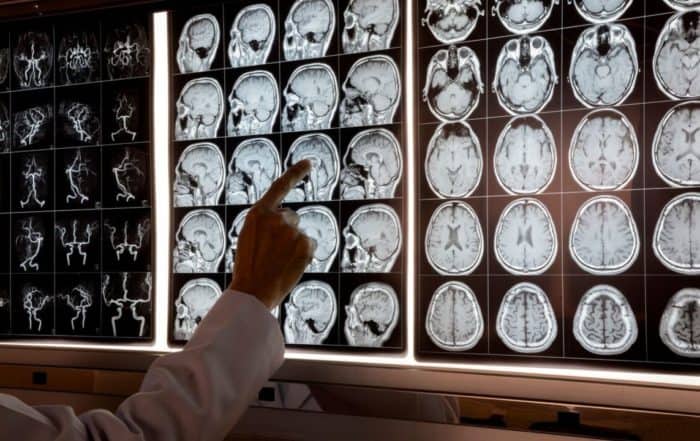
Improving Clinical Understanding of Autism
James McPartland, Ph.D., discusses current limitations in autism diagnosis and treatment, noting their reliance on behavioral observations despite the condition's genetic and neurological underpinnings. He advocates integrating biomarkers as objective, measurable biological
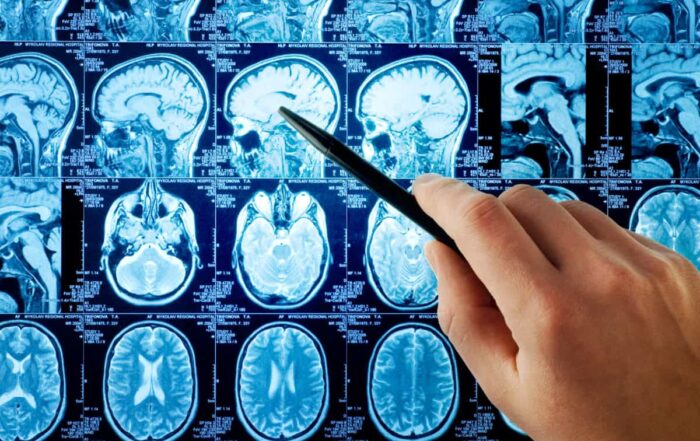
Editorial- Autism and the brain: the vital contribution of postmortem research
Autism Spectrum Disorder (ASD) is a neurodevelopmental condition that affects approximately 1% of the global population. It presents in diverse ways, but the core features typically include challenges with social