
Inflammation of the brain during early development is strongly linked to autism spectrum disorders (ASD), and a new study points to specific brain cells that appear to be impacted to the greatest degree.
Seth Ament and colleagues studied postmortem brain tissues from 17 children who died when they were between one and five years of age. Eight of the children died as a result of conditions involving inflammation, and nine died as a result of accidents. The donors were similar in age, gender, ethnicity, and time since death, and none had been diagnosed with a neurological disorder prior to death.
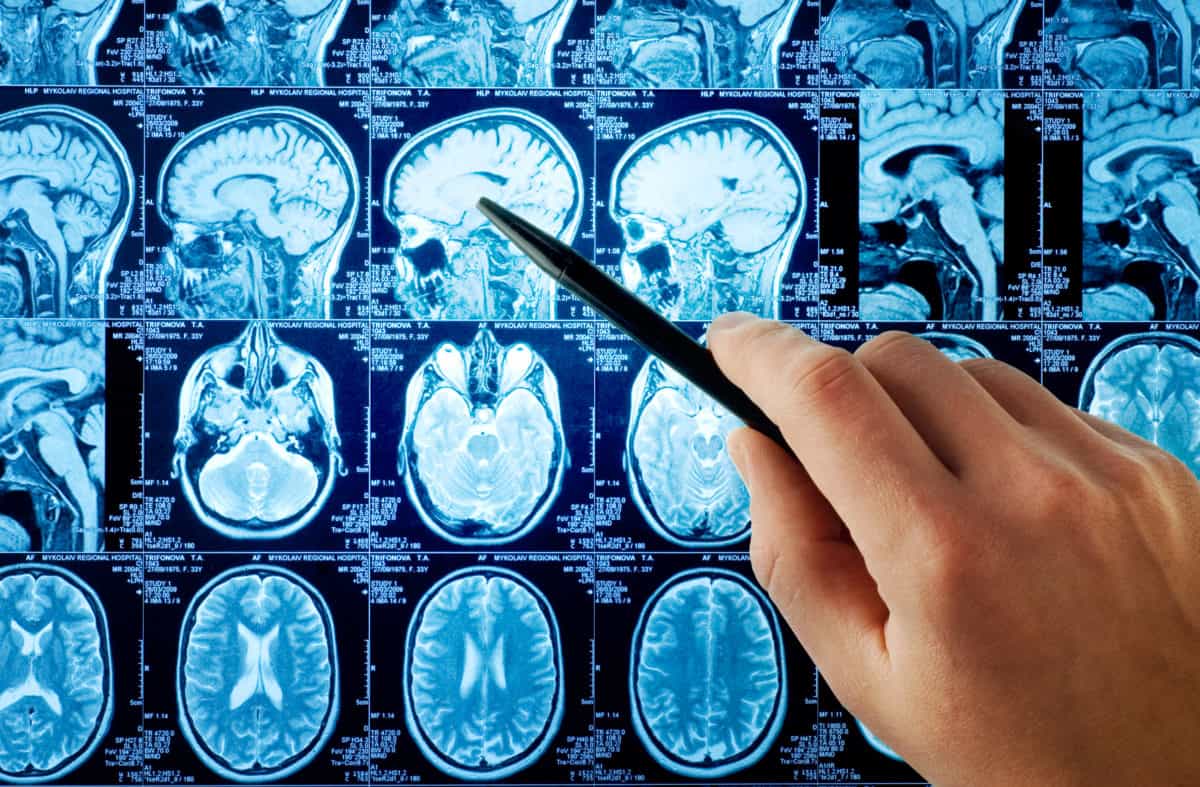
The researchers used a technology called single-cell genomics to look at the effects of inflammation on the cellular level. They discovered that inflammation in early childhood prevents two specific types of neurons in the cerebellum, the Golgi and Purkinje neurons, from maturing fully. The cerebellum is a brain region involved in motor function and cognitive skills including language, social skills, and emotional regulation. Multiple studies have linked abnormalities of this region to ASD.
Ament says, “We looked at the cerebellum because it is one of the first brain regions to begin developing and one of the last to reach its maturity, but it remains understudied.” He adds, “The gene expression in the cerebella of children with inflammation were remarkably consistent.”
Ament notes, “During development, Purkinje neurons form synapses connecting the cerebellum to other brain regions involved in cognition or emotional control, while Golgi neurons coordinate communication between cells within the cerebellum. Disruption of either of these developmental processes could explain how inflammation contributes to conditions like ASD and schizophrenia.”
This article originally appeared in Autism Research Review International, Vol. 37, No.4, 2023

Research Updates: What Can Monogenic Syndromes Tell Us About the Underlying Causes of Autism?
Free webinar at 1:00 p.m. Eastern time (US), May 27, 2026 Dr. Daniel Vogt, Ph.D., will discuss his current research on monogenic syndromes and what they can tell us

Sustained Potential as a Biomarker of Language Functioning in Autism
Free webinar at 1:00 p.m. Eastern time (US), April 15, 2026 Sustained potential (SP) is a neural response to periodic auditory stimuli registered with EEG 40Hz Auditory Steady-State Response.

COMPASS: A Caregiver–Teacher Partnership Model for Improving Outcomes in Autistic Children and Youth
The Collaborative Model for Promoting Competence and Success (COMPASS) is an evidence-based consultation framework designed to enhance outcomes for autistic children and youth by strengthening caregiver–teacher partnerships. Developed by

Understanding Autism through the Lens of Sensorimotor Features and Early-Developing Brain Regions
Sensorimotor differences are commonly reported in autistic individuals. However, the daily-life impact and neurobiological basis of motor differences are not clear. This talk will discuss sensorimotor differences commonly reported in
How Genetics is Shaping the Field of Autism Research
Learn about how research on genetic influences is shaping our understanding of autism. About the speaker: M. Pilar Trelles, MD, is a licensed and

Breakthroughs in Understanding roles of Genes and Environment in Autism
About the speaker: Dr. Jonathan Sebat, Director, Beyster Center for Psychiatric Genomics Dr. Sebat leads an interdisciplinary team in the clinical and genomic analysis of