Presented by Robert Naviaux, PhD at the Fall 2012 Autism Research Institute Conference
The pace of change in the human ecosystem has accelerated rapidly in the past 30 years. These changes not only affect human health, but the health of plants and animals that share the environment with us. Nine keystone vertebrate, invertebrate and plant species have experienced extinctions or population crashes since the 1980s, and opportunistic human infections are on the rise. These crashes and infections can be traced to changes in metabolism that underlie epigenetics, innate, and adaptive immunity. Epigenetic and immunologic ripple effects have led to new Acquired Immunodeficiency Syndromes (AIDS) in plants and animals, and Acquired Autoimmune Disorders (AAIDS) in humans and domesticated animals. Autism is one of nearly a dozen new, neuroimmune and metabolic spectrum disorders (NIMS) that have emerged as a consequence of these new combinations of environmental factors that have never before been encountered by the human genome. This talk will showcase examples of AIDS, AAIDS, and NIMS that teach us about the unintended, and often-invisible environmental changes caused by human technological progress, and how these changes can be measured and managed systematically.
Published: 12/07/2012
 Dr. Naviaux is Professor of Genetics in the Departments of Medicine, Pediatrics, and Pathology at the University of California, San Diego (UCSD). He is the founder and co-director of the Mitochondrial and Metabolic Disease Center (MM.D.C) at UCSD. He is the cofounder, and former President of the Mitochondrial Medicine Society (MMS). Dr. Naviaux is the discoverer of the genetic basis of the oldest Mendelian form of mitochondrial disease, Alpers Syndrome; his research spans 30 years and embraces the fields of genetics, virology, cancer immunology, mitochondrial medicine, neuroscience, development, metabolism, marine metagenomics, and evolutionary systems dynamics.

Nutritional Neurobiology of Autism: Revisiting the Zinc Hypothesis
Free webinar at 1:00 p.m. Eastern time (US), May 13, 2026 Recent data support a model in which altered zinc biology may act as a modifiable risk factor within

Emerging Research on Autism Rates and Covid
Free webinar at 1:00 p.m. Eastern time (US), April 22, 2026 Tune in to hear about the Columbia University COVID-19 Mother Baby Outcomes Initiative (COMBO), which resulted in the first report demonstrating that
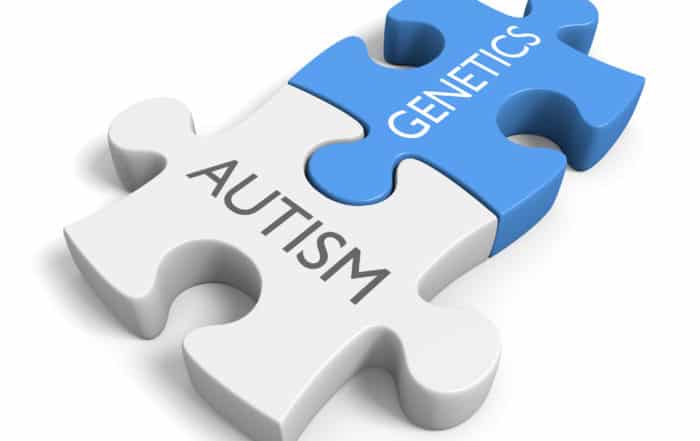
Gene Therapy for Mutations in the IQSEC2 Gene
The IQSEC2 protein is a guanine nucleotide exchange factor for Arf6. Pathogenic variants in the X-linked IQSEC2 gene are associated with drug-resistant epilepsy, severe intellectual disability, and autism. The vast

Editorial: What we breathe matters – Rethinking air pollution and autism
For nearly sixty years, the Autism Research Institute (ARI) has tried to understand autism by looking beyond surface behaviors and asking deeper biological questions. From the beginning, Bernard Rimland challenged the dominant
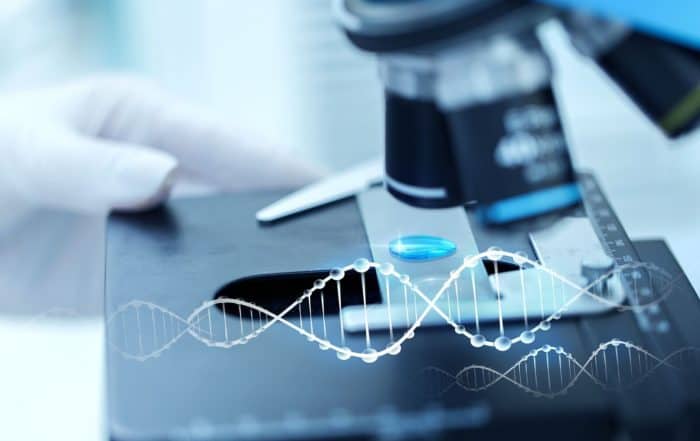
Breakthroughs in Understanding roles of Genes and Environment in Autism
About the speaker: Dr. Jonathan Sebat, Director, Beyster Center for Psychiatric Genomics Dr. Sebat leads an interdisciplinary team in the clinical and genomic analysis of

Editorial: Invisible threats – the role of environmental toxins in autism
As our knowledge about autism continues to evolve, so does our understanding of its root causes. For many years, professionals blamed “refrigerator parents” and prescribed psychoanalytic therapy. Once the psychogenic theory was