

Sleep problems are common in infants who later develop autism spectrum disorders (ASD) and are associated with an abnormal growth trajectory of the hippocampus, a new study reports.
Katherine MacDuffie and colleagues analyzed MRI brain scans performed on 432 infants at 6, 12, and 24 months of age. In addition, they collected data on the children’s sleep patterns. Of the infants, 127 were classified as low-risk because they did not have an older sibling with ASD, while the remainder were classified as high-risk. Seventy-one high-risk infants eventually received an ASD diagnosis.

The researchers found that sleep onset problems were more common in 6- to 12-month-old infants who later developed ASD than in other children. Additionally, infant sleep onset problems were related to hippocampal volume trajectories from 6 to 24 months for high-risk infants who developed ASD. Changes in hippocampal size have been associated with poor sleep in adults and older children, but MacDuffie says, “This is the first study we are aware of to find an association in infants as young as six months of age.”
Study coauthor Annette Estes says, “It could be that altered sleep is part-and-parcel of autism for some children. One clue is that behavioral interventions to improve sleep don’t work for all children with autism, even when their parents are doing everything just right. This suggests that there may be a biological component to sleep problems for some children with autism.”
The researchers conclude, “These findings provide initial evidence that sleep onset problems in the first year of life precede ASD
diagnosis and are associated with altered neurodevelopmental trajectories in infants at high familial risk who go on to develop ASD. If replicated, these findings could provide new insights into a potential role of sleep difficulties in the development of ASD.”
—
“Sleep onset problems and subcortical development in infants later diagnosed with autism spectrum disorder,” Katherine MacDuffie, Mark Shen, Stephen Dager, Martin Styner, Sun Hyung Kim, Sarah Paterson, Juhi Pandey, Tanya St. John, Jed Elison, Jason Wolff, Meghan Swanson, Kelly Botteron, Lonnie Zwaigenbaum, Joseph Piven, and Annette Estes, American Journal of Psychiatry, May 7, 2020 (online). Address: Katherine MacDuffie, UW Autism Center, CHDD, Box 357920, University of Washington, Seattle, WA 98195, [email protected].
—and—
“Sleep difficulties linked to altered brain development in infants later diagnosed with autism,” news release, University of Washington, May 7, 2020.
This article also appears in Vol. 34, No. 2, 2020, of Autism Research Review International
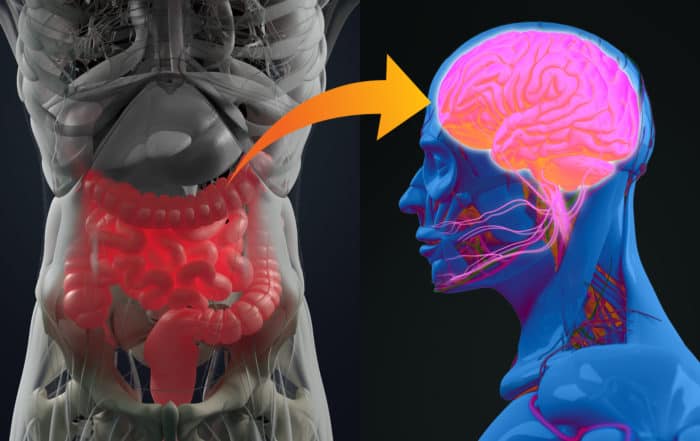
2026 Research Updates: GI Symptoms & Behavior
Free webinar at 1:00 p.m. Eastern time (US), December 2, 2026 Dr. Bradley Ferguson, PhD, a 2024 research grant recipient, will share emerging research on the interaction of GI symptoms and behavior in autism.

Research Updates: Gastrointestinal Issues and Autism
Free webinar at 1:00 p.m. Eastern time (US), July 29, 2026 Harland Winter, MD, will discuss his research on gastrointestinal conditions in individuals with autism. Dr. Winter is an active investigator and educator

Research Updates: What Can Monogenic Syndromes Tell Us About the Underlying Causes of Autism?
Free webinar at 1:00 p.m. Eastern time (US), May 27, 2026 Dr. Daniel Vogt, Ph.D., will discuss his current research on monogenic syndromes and what they can tell us
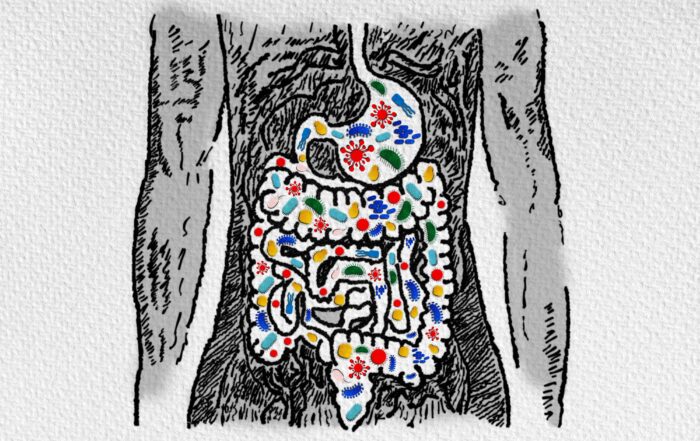
Research Updates: Microbiome Research and Autism
Free webinar at 1:00 p.m. Eastern time (US), May 20, 2026 Rosa Krajmalnik-Brown, Ph.D., will discuss her research on gut microbiota in individuals with autism who have gastrointestinal (GI) problems. She will share

Nutritional Neurobiology of Autism: Revisiting the Zinc Hypothesis
Free webinar at 1:00 p.m. Eastern time (US), May 13, 2026 Recent data support a model in which altered zinc biology may act as a modifiable risk factor within

Emerging Research on Autism Rates and Covid
Free webinar at 1:00 p.m. Eastern time (US), April 22, 2026 Tune in to hear about the Columbia University COVID-19 Mother Baby Outcomes Initiative (COMBO), which resulted in the first report demonstrating that