

There are dozens of autism treatments, and choosing the right ones depends on the individual’s needs as well as challenges.
When selecting a treatment, it is important to work closely with your doctor and other healthcare professionals. It is also recommended that you inquire about the evidence supporting the effectiveness of the prescribed treatment(s). This should include positive and negative findings as well as possible side effects.
Here are some of the most common treatments for autism.
Behavioral Therapies
Applied Behavior Analysis (ABA) – ABA refers to understanding a person’s behavior in the context of their surroundings rather than in a controlled laboratory setting. The aim of this method is to improve specific behaviors and develop skills, and it is based on traditional behavior strategies such as rewarding appropriate behaviors and ignoring or discouraging inappropriate behaviors. ABA is among the most widely studied and frequently used therapies for those on the autism spectrum. There are several forms of ABA therapy including:
- Pivotal-Response Treatment (PRT)
- Early Start Denver Model
- Functional Communication
- Floortime
- Verbal Learning
Outpatient Therapies
Speech Therapy – Speech therapy is often recommended when a child has difficulties learning vocabulary, pronouncing words, using an appropriate tone of voice, understanding and using body language, and asking and responding to questions. Speech therapy may include alternative augmentative communication (AAC) strategies like Picture Exchange Communication System (PECS), speech output devices, and sign language.
Sensory Therapy (ST) – Your child may be over-reactive, under-reactive, or even crave certain sensory sensations. These sensations may include loud sounds, bright lights, certain tastes, light touch, and/or strong smells. Numerous sensory interventions have been developed to treat various sensory-challenges including sensory integration as well as various visual and auditory interventions.
Occupational Therapy (OT) – This therapy helps improve numerous skills and behaviors with the goal of independence. OT therapists may work on daily activities, hand-eye coordination, sleep, social interactions, and play.
Physical Therapy (PT) – The aim of PT is to improve overall motor movement. This may include posture, balance, motor coordination, and flexibility.
Evidence-based Sensorimotor Therapies
Music and Art Therapy – These therapies were designed to help individuals deal with anxiety and emotions as well as help express themselves.
Animal Therapy – This form of therapy may reduce fear and anxiety toward animals by interacting with socially-oriented animals in structured therapeutic situations. These animals often include horses, dogs, and dolphins. Those on the autism spectrum have also reported a calm feeling while interacting with these animals.
Who provides autism treatment?
Your care team will work with you to develop an effective treatment plan that may include one or more of the following professionals:
- Behaviorist
- Gastroenterologist
- Geneticist
- Neurologist
- Nutritionist
- OT/PT/ST therapists
- Pediatrician
- Psychiatrist
- Psychologist
The best treatment for autism is the one that works
First and most important, early intervention can make a big difference. The earlier an individual receives appropriate support, the better his/her prognosis.
Your doctor can help you decide which autism treatments are appropriate for your child. Keep in mind that there is no single treatment for everyone with autism. Instead, there are a variety of therapies that may be helpful addressing symptoms depending on the individual’s needs. What works for one person may be less effective – or ineffective – for somebody else.
As your child grows and develops, some treatments might become less effective, while others become more important. You should discuss these changes with your doctor to assure the treatment plan stays current.
Gathering reports from the treatment team and completing the Autism Treatment Evaluation Checklist (ATEC) prior to meeting with your doctor will help identify issues to address and referrals that may be needed. The ATEC is a helpful tool designed to measure changes of symptoms and behaviors over time. Note: Casual observations of your child’s development are typically not an accurate way to monitor progress. The ATEC provides a free, convenient tool that can be used to track changes over time. The checklist can also be useful to help determine whether a therapy is beneficial. To track a specific approach, complete the ATEC before (baseline) and after implementing a treatment and track changes over time.
For more than 50 years, the Autism Research Institute has provided support and guidance to parents and professionals worldwide, and we will continue to do so wherever the journey takes all of us.
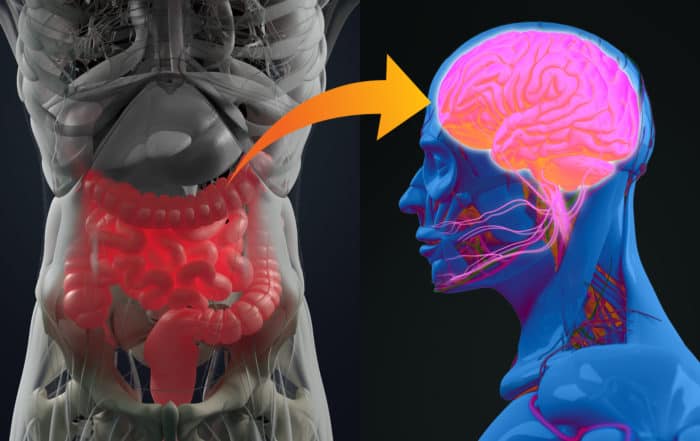
2026 Research Updates: GI Symptoms & Behavior
Free webinar at 1:00 p.m. Eastern time (US), December 2, 2026 Dr. Bradley Ferguson, PhD, a 2024 research grant recipient, will share emerging research on the interaction of GI symptoms and behavior in autism.

Research Updates: Gastrointestinal Issues and Autism
Free webinar at 1:00 p.m. Eastern time (US), July 29, 2026 Harland Winter, MD, will discuss his research on gastrointestinal conditions in individuals with autism. Dr. Winter is an active investigator and educator

Research Updates: Microbiome Research and Autism
Free webinar at 1:00 p.m. Eastern time (US), May 20, 2026 Rosa Krajmalnik-Brown, Ph.D., will discuss her research on gut microbiota in individuals with autism who have gastrointestinal (GI) problems. She will share

Emerging Research on Autism Rates and Covid
Free webinar at 1:00 p.m. Eastern time (US), April 22, 2026 Tune in to hear about the Columbia University COVID-19 Mother Baby Outcomes Initiative (COMBO), which resulted in the first report demonstrating that
Gene Therapy for Mutations in the IQSEC2 Gene
The IQSEC2 protein is a guanine nucleotide exchange factor for Arf6. Pathogenic variants in the X-linked IQSEC2 gene are associated with drug-resistant epilepsy, severe intellectual disability, and autism. The vast

EMDR Therapy and Autism
Presentation Handout available HERE Amanda Tami, LPC, BCBA, talks about Eye Movement Desensitization and Reprocessing (EMDR) therapy and its use for autistic individuals. She discusses how traumatic memories can